Contactless payment on the London Tube is the simplest and cheapest way for US travelers to ride the Underground in 2026. TfL readers on the Tube, DLR, Overground, Elizabeth line, and buses accept Visa, Mastercard, and American Express contactless cards, though some U.S.-issued Mastercard and Maestro cards and some older Visa cards aren’t accepted. The daily and weekly fare caps switch on by themselves and usually come in below the price of a paper Travelcard, so you never have to calculate per-ride costs. There are catches, though. Foreign-transaction fees, hot-card swap risk, and Apple Pay vs Google Pay differences still trip up some American visitors. This 2026 guide explains exactly how the system works, why it usually beats Oyster for short stays, and the gotchas to avoid. You will also find caps, off-peak windows, refunds, and what to do if your card declines. Tap through TfL gates with confidence by the end. New to the Underground itself? Start with our London Underground guide for Americans.
Contactless payment London Tube 2026 in one paragraph
Tap any contactless US card or phone wallet on the yellow reader entering the Tube, and tap again exiting. TfL then works out your per-journey fares automatically and applies the daily and weekly caps. Most visitors pay less this way than buying a paper Travelcard.
The yellow readers accept Visa, Mastercard, American Express, Apple Pay, Google Pay, and most major US bank wallets — confirmed by TfL: contactless and mobile pay. You do not need to register or pre-load anything; the first tap is a £0 authorization plus the actual fare at end-of-day. In addition, fares match Oyster’s own rates exactly. However, you must use the same card or device for both ends of a journey, or TfL treats it as two incomplete journeys and may charge a maximum fare. Therefore, US travelers who lose a card mid-journey should email TfL Customer Services within 14 days. Flying in from the West Coast? Our California to UK travel guide covers the trip itself.
Tube zones, peak times, and 2026 pay-as-you-go fares
Zone 1 single fare on contactless costs £3.10 peak and £3.00 off-peak (fares from 1 March 2026). Journeys spanning Zones 1–4 cost £4.80 peak and £3.60 off-peak. Therefore, US travelers should plan around the 06:30–09:30 and 16:00–19:00 peak windows when possible.
Off-peak hours are weekdays before 06:30 and after 09:30 until 16:00, then after 19:00, plus all weekend, all according to TfL: Tube and rail fares. The off-peak Friday fares trial ran only from 8 March to 31 May 2024, so normal peak fares apply on Fridays in 2026. In addition, children under 11 ride free with an adult, regardless of the adult’s payment method. However, the contactless reader cannot detect that you are accompanying a child — it just charges your normal fare. One more perk: the Hopper fare gives you unlimited bus and tram rides within 60 minutes of the first tap. Indeed, this means a single £1.75 bus tap (£1.85 from November 1, 2026) can cover three short bus connections in one hour.
Daily and weekly caps — the killer feature for US visitors
Contactless caps the maximum you spend in any one day and across each Monday-to-Sunday week. Specifically, Zone 1–2 caps at £8.90 daily and £44.70 weekly in 2026. Therefore, US visitors making 4+ trips per day get free travel after the cap.
The weekly cap applies automatically to all your journeys from Monday to Sunday — see TfL: pay as you go caps. The cap applies only to the same physical card or device — switching mid-week between two phones breaks it. So if you are here for a Monday-to-Sunday week, pick one wallet and stick with it. One cap covers Tube, bus, tram, DLR, Elizabeth line, and London Overground combined. However, Uber Boat by Thames Clippers trips don’t count toward TfL’s daily or weekly caps (nor do the London Cable Car, Heathrow Express, Gatwick Express or Southeastern high-speed trains). National Rail trips beyond London do count where pay-as-you-go is accepted—for example, to Gatwick Airport (except on the Gatwick Express), Reading or Luton Airport Parkway—and have their own caps. Outside the pay-as-you-go area, you can’t use contactless at all. Public holidays count as off-peak all day, so check our UK bank holidays 2026 calendar when planning.
Apple Pay, Google Pay, and Wallet — phone vs card
Apple Pay, Samsung Pay, and Google Pay work on TfL yellow readers, but phone payments linked to non-UK cards may not always go through. However, each card in your wallet counts separately, so swapping to a different bank’s card breaks the daily cap. So stick to one card on one device for the whole day and week.
TfL says paying with a phone or watch (Apple Pay and others) works just like a contactless card, and you must tap in and out with the same device — see TfL: contactless cards and devices conditions of use. An Apple Watch counts as a separate device from the iPhone it is paired with: touching in with one and out with the other is charged as two incomplete journeys. In addition, Google Pay tracks per device — switching from phone to watch breaks the cap on Android. However, US travelers who add a personal AmEx, then later swap to a Chase Visa, both via Apple Pay, start a new cap on the second card. Consequently, the rule is simpler than it sounds: same card, same device, same week, capped.
| Cap type 2026 | Zones 1–2 | Zones 1–4 | Zones 1–6 (incl. Heathrow) |
|---|---|---|---|
| Daily cap | £8.90 | £12.80 | £16.30 |
| Weekly cap (Mon–Sun) | £44.70 | £64.20 | £81.60 |
| Hopper bus & tram fare (60 min) | £1.75 through October 31, 2026; £1.85 from November 1, 2026 (bus-and-tram-only daily cap £5.25, then £5.55) | ||
Foreign transaction fees — when contactless costs more than Oyster
Some US bank cards still charge a 1–3 percent foreign-transaction fee on each TfL contactless tap. Some U.S.-issued cards also aren’t accepted on TfL readers at all. Therefore, check your card before leaving the United States or use Apple Pay with a fee-free issuer.
Major fee-free travel cards in 2026 include the Chase Sapphire Preferred, Capital One Venture, Bank of America Travel Rewards, and Charles Schwab Visa Platinum — confirmed by issuer terms. Even so, some US-issued cards can run into problems on the TfL network, and if a payment is declined, that card can’t be used again until the unpaid fare is settled. Before your trip, tell your bank or credit union you’ll be traveling. Indeed, the green ‘processing’ light on the reader can also indicate a temporary card-issuer denial. Therefore, carry a backup plus a small cash reserve for emergency Tube tickets at the Underground machine. For everything else to bring, see what Americans should pack for a UK spring or summer trip.
Oyster vs contactless in 2026 — when to use which
For visitors staying under 7 days, contactless on a US card or wallet beats Oyster. Remember that Visitor Oyster cards carry a non-refundable £10.50 card fee, plus shipping. Therefore, contactless is cheaper for almost every US traveler in 2026.
Oyster keeps relevance for residents who want a separate transit balance, frequent visitors with a child, and travelers using paper season passes — confirmed by TfL: Oyster cards. Kids aged 11–15 don’t have to have a Zip Oyster photocard, though: without one, they pay the adult fare by contactless or Oyster, or you can buy them child-rate paper tickets, and visitors can add a Young Visitor discount (half fare for up to 14 days) to an Oyster card. A Zip Oyster card is only needed for free bus and tram travel. In addition, the Oyster card fee is non-refundable (only deposits paid on older cards are refunded). Oyster pay as you go also has daily and Monday–Sunday weekly caps, just like contactless. Therefore, Oyster is most useful for under-11 child fare proof and for cash top-ups. Contactless skips the card fee entirely. Consequently, US visitors with a fee-free card almost always prefer contactless. For trains, coaches and taxis beyond the Tube, see our UK transportation prices and options guide.
Refunds, mistakes, and incomplete journeys
If TfL charges you a maximum fare due to a missed tap-out, you can request a refund through your TfL online account or by calling TfL Customer Services, between 48 hours and 8 weeks after the journey. Many corrections happen automatically. Screenshot the journey for proof, just in case.
The TfL refund portal is at TfL: contactless and Oyster account. Register a free account there and you can track every tap, fare, and cap progression. In addition, registering is the fastest way to spot a missed tap-out at a smaller station like Embankment or Highbury & Islington. However, refunds for repeated forgetting are sometimes denied as ‘customer error’. To claim, your card needs to be registered in a TfL online account, and you’ll give the date and time of the trip and your card details. TfL doesn’t ask for a bank statement, but a snapshot of your daily journey list is still handy. The Customer Services line runs 08:00–22:00 daily.
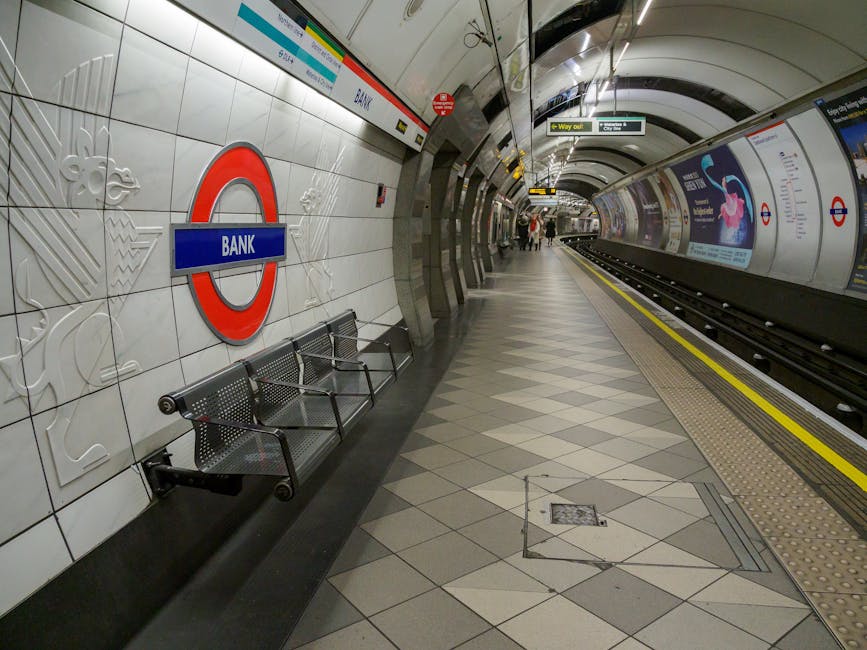
Practical tips for US travelers using contactless on the Tube
Tap with one card per traveler, hold the card flat for 1 second, and check the green light before walking through the gate. Never tap a wallet with two contactless cards visible — it can charge both. Therefore, slip the spare card into a back pocket or RFID sleeve.
If you register your contactless card in an online TfL account, you can request a refund when you were charged one or two maximum fares for an incomplete journey, or when two different cards or devices were used for the same trip. Most refunds happen automatically within 48 hours; otherwise, you have eight weeks to claim. Unregistered cards aren’t eligible for refunds. In addition, US visitors using an Apple Watch should avoid wearing it on the same wrist as a Fitbit with NFC enabled. However, modern Pixel and Garmin watches default to off for transit and need explicit double-press to pay. As a result, mishaps stay rare. Many US-issued debit cards work too, but not every U.S. card does, so check with your bank before you fly and pack a backup card.
Frequently asked questions
Can I use my US credit card on the London Tube in 2026?
Usually, yes. TfL accepts Visa, Mastercard, and American Express contactless cards, plus Apple Pay, Google Pay, and Samsung Pay. Not every U.S. card works, though: some U.S.-issued Mastercard and Maestro cards and some older Visa cards aren’t accepted, and your bank may charge foreign transaction fees.
What is the daily contactless cap on the Tube?
For Zone 1–2, the 2026 daily cap is £8.90; for Zone 1–4 it is £12.80; for Zone 1–6 including Heathrow it is £16.30. The cap activates automatically with no setup.
Is contactless cheaper than Oyster in London?
For US visitors staying under 7 days, contactless on your existing card is the same fare as Oyster but avoids the non-refundable Oyster card fee. So contactless usually wins.
What if I forget to tap out on the Tube?
TfL may charge you a maximum fare. Many corrections happen automatically within 48 hours. If not, register your card in a TfL online account and request a refund there or by calling TfL Customer Services, up to 8 weeks after the journey.
Are foreign transaction fees charged on Tube taps?
Yes, on some US cards. Use a no-foreign-fee card such as Chase Sapphire Preferred, Capital One Venture, or Schwab Platinum to avoid the 1–3 percent surcharge per ride.
Can I use my Apple Watch on the London Tube?
Yes. The watch counts as a separate device from your phone, so use the same device for every journey that day and week if you want your caps to build up. Tap the watch face to the yellow reader for one second.
Do I need a UK ETA before riding the Tube?
You need a UK ETA to enter the UK at all from 8 January 2025; the ETA is unrelated to TfL but you cannot legally arrive at Heathrow or St Pancras without it. The ETA costs £20 (about $26–27) since April 8, 2026 (previously £16) and is valid for two years, or until your passport expires, for repeated stays of up to six months. If you also hold British citizenship, the rules are different – see our guide to the UK ETA and dual US citizenship.
Setting up Tube contactless takes seconds for any US traveler with Apple Pay or Google Pay. The daily and weekly caps limit what you pay, and you skip the ticket-machine queues entirely.
Last updated: October 27, 2026.