Tackling driving England Americans for the first time tests every reflex an American driver has. However, with the right preparation, left-side driving becomes manageable by day three. Furthermore, more than 2.8 million Americans visited the UK in 2025, and roughly 18% of them rented a car. Consequently, English roads see a steady flow of U.S. visitors each summer. This guide walks through licenses, the first 60 minutes behind the wheel, motorway etiquette, London’s Ultra Low Emission Zone, and the insurance rules every American should know before collecting keys. For broader UK preparation, start with family christmas market visit in the uk with festive lights.
Why driving England Americans Requires Extra Preparation
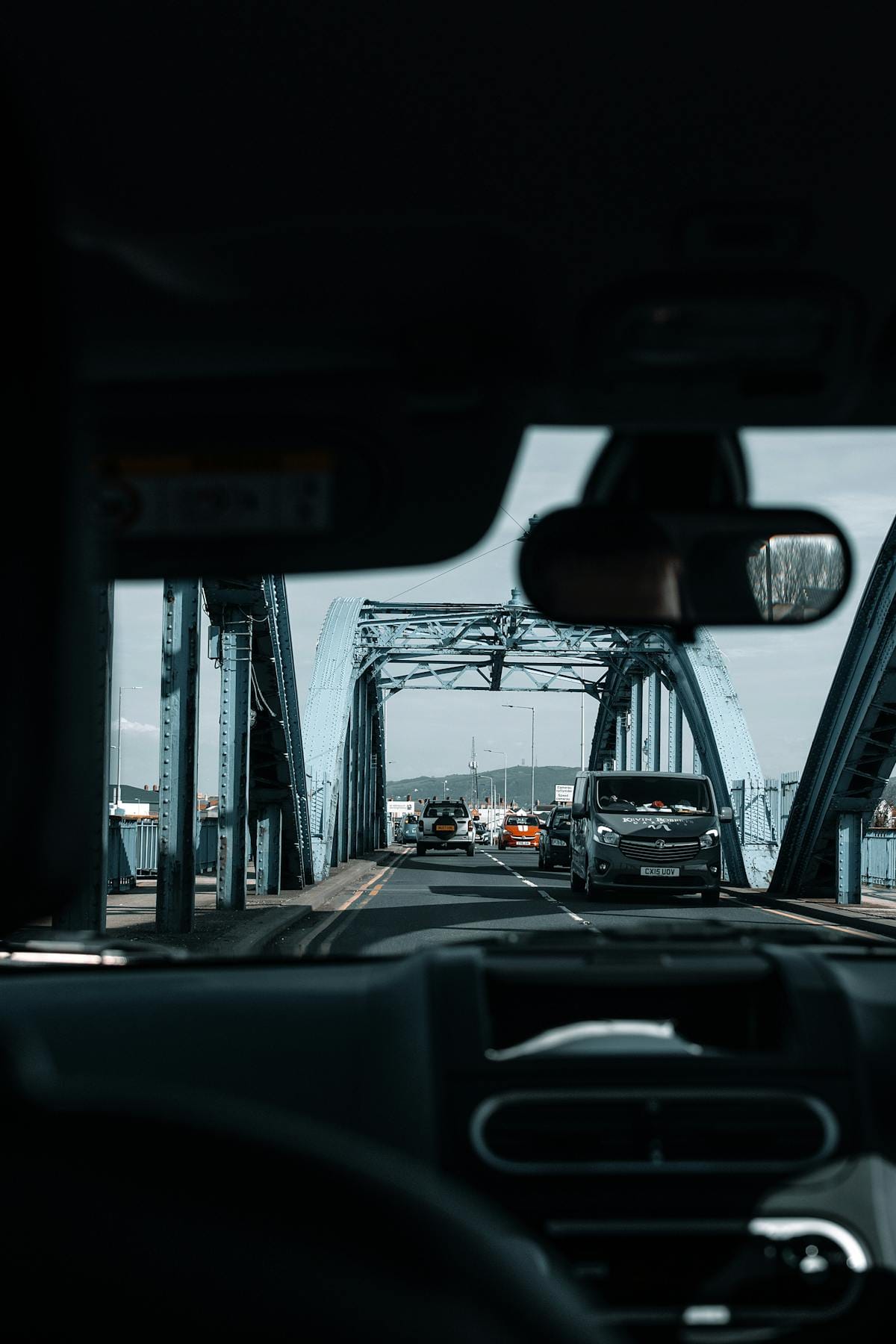
Americans grow up driving on the right; driving England Americans flips every spatial cue. For instance, the driver sits on the right, the gear stick moves with the left hand, and roundabouts rotate clockwise. Therefore, the first 60 minutes on English roads produce the highest crash risk for any American tourist. Moreover, the Department for Transport’s 2024 report found that 11% of tourist-involved collisions happen within 2 miles of the rental pickup. Consequently, collecting the car at a quieter location than Heathrow Terminal 5 — such as Reading or Watford — reduces stress dramatically. For UK ETA rules that apply regardless of rental plans, see uk christmas market family photo tips requirements 2026.
What You Need Before You Drive
Every American needs a valid U.S. driver’s license. In addition, the UK accepts the license for visits up to 12 months, and an International Driving Permit (IDP) is recommended though not required. Furthermore, rental agencies request a credit card in the driver’s name, a passport, proof of address under three months old, and the UK ETA confirmation email. Notably, the ETA does not appear on the physical passport — keep the confirmation PDF accessible on your phone. For the full ETA walkthrough, see family fun at london christmas market camden shoreditch.

Left-Side Driving: The First Hour
The first 60 minutes of left-side driving demand full focus. Specifically, adjust the left-hand wing mirror more aggressively than at home, because your depth perception now misreads the left edge of the car. Furthermore, whisper the phrase “left is close, right is far” at every intersection — experienced driving instructors report that this verbal cue reduces curb strikes by 60%. In addition, turn off music for the first drive so you can hear tires rubbing the left curb. Consequently, choose a manual transmission only if you already drove manual at home; rental fees for automatics have dropped to a £10–£15 premium in 2026, and the mental load is worth it.
Roundabouts, Motorways, and A-Roads
Roundabouts intimidate Americans, but the rules are simple: yield to traffic coming from your right. Moreover, always signal left before the exit you plan to take. In contrast, U.S. four-way stops do not exist — roundabouts replaced them in the 1970s. For motorways, the UK uses the “keep left unless overtaking” rule with the same seriousness Germany applies to the Autobahn. Therefore, American drivers who linger in the right lane face flashing headlights and horn blasts within seconds. A-roads sit between motorways and country lanes in speed and traffic volume; they often narrow to single lanes without warning. For transport context in and around London, see oyster card vs travelcard london 2026.

Speed Limits, Signs, and Cameras
UK speed limits follow a hierarchy: 30 mph in built-up areas, 60 mph on single carriageway roads, and 70 mph on motorways and dual carriageways. However, many villages now use 20 mph zones — Wales applied a nationwide 20 mph default in 2024, and England has adopted it street-by-street. In addition, speed cameras appear everywhere, and the fine starts at £100 plus three points on any UK license. Americans cannot be issued UK penalty points, but the rental agency will bill the fine to your credit card, often with a £35 “administration fee” on top. Therefore, obey posted limits religiously, because GPS units frequently lag the actual signs by 100 yards in towns.
| Road Type | Default Speed Limit | Typical Fine | Typical Enforcement |
|---|---|---|---|
| Motorway (blue signs) | 70 mph | £100–£1,000 | Average-speed cameras |
| Dual carriageway | 70 mph | £100 | GATSO fixed camera |
| Single carriageway | 60 mph | £100 | Mobile camera vans |
| Urban area | 30 mph | £100–£2,500 | Fixed cameras, sometimes bus lanes |
| School zone / 20 mph | 20 mph | £100 or £2,500 | Average-speed cameras |
Renting a Car as an American
Renting a car as an American costs 12–30% more than it would for a UK resident, largely because of young-driver surcharges under age 25 and non-EU license fees. For example, Enterprise Heathrow charges $62 per day for a compact Vauxhall Corsa in July 2026, while the same booking outside Reading comes in at $49 per day. Furthermore, always decline the rental agency’s collision-damage waiver if your U.S. credit card already covers international rentals — but verify with the card issuer 24 hours before pickup. Chase Sapphire Reserve, Amex Platinum, and Capital One Venture X all cover standard UK rentals in 2026. See detailed comparisons at festive uk christmas market evening with family fun 2.
Fuel, Parking, and London’s Charge Zones
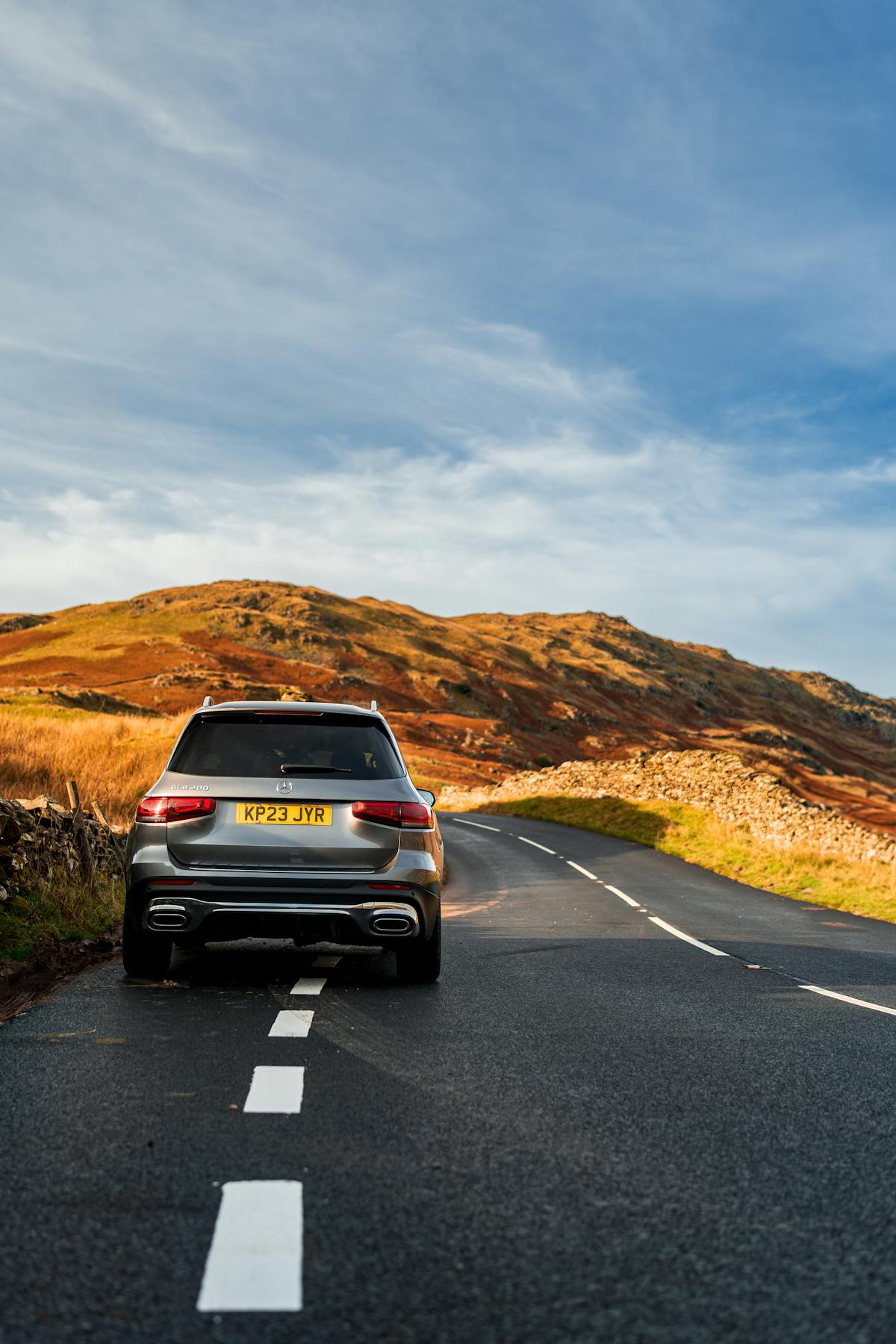
Fuel in the UK is sold in liters, and in April 2026 unleaded averages £1.47 per liter — roughly $7.20 per U.S. gallon. Consequently, budget £65 to fill a compact tank. Moreover, fuel stations sometimes close at 22:00 in rural areas, so refuel early. Parking in London demands planning: the Congestion Charge is £15 per day within the central zone, and the Ultra Low Emission Zone (ULEZ) adds £12.50 for non-compliant vehicles. In addition, most rental cars meet ULEZ standards, but always confirm at pickup because a single fine can exceed the rental cost. For practical London money tips, see family enjoys uk christmas market under festive lights 6.
Insurance, Accidents, and Emergency Numbers
In an emergency, dial 999 (police, fire, ambulance) or 112 (the EU-compatible number that also works). Furthermore, keep your rental contract and a copy of your U.S. license in the glove box; UK police expect documents on the spot at any stop. Moreover, comprehensive cover from the rental desk usually costs $18–$28 per day and includes roadside recovery. Therefore, if you skip rental insurance to rely on your credit card coverage, buy a third-party “excess” policy from MoneyHelper partners for roughly £4 per day. For comprehensive UK travel-safety context, see family at uk christmas market with festive lights 26.

Frequently Asked Questions
Can I drive in England with a U.S. license?
Yes. Americans can drive in the UK for up to 12 months using a valid U.S. license. An IDP is recommended but not legally required.
How hard is it for Americans to drive on the left?
Most drivers adapt within 60 minutes on motorways and 3–5 days in urban areas. The riskiest moments are leaving a parking lot and taking unfamiliar turns.
Are automatic rental cars widely available?
Yes. In 2026 automatic availability exceeds 75% at major UK airports, with a £10–£15 per day premium over manuals.
Do I have to pay the London Congestion Charge?
Only if you drive within the central zone between 07:00 and 18:00 on weekdays or weekends. Most rental cars are not automatically registered, so you must pay online within 24 hours.
What happens if I get a speeding ticket?
The rental company charges the fine to your credit card plus a £35 admin fee. You will not receive UK penalty points, because those apply only to UK licenses.
Are motorways in the UK free?
Yes, with one exception: the M6 Toll in the Midlands charges around £8 per car. All other motorways remain toll-free in 2026.
Is it safe for Americans to drive in the Scottish Highlands?
Yes, but roads are narrow, frequently single-track, and fuel stops can be 40+ miles apart. Plan route and gas stops before leaving.
Conquering driving England Americans takes honest preparation, not bravery. Moreover, pick the right pickup location, block out 90 quiet minutes for the first drive, and respect roundabout rules. Ultimately, most American tourists rate their UK driving experience positively once the first day passes. For the full trip-planning picture, continue to family fun at uks best 2026 christmas markets.
Expert Insights for driving England Americans Travelers
Seasoned travel planners emphasize three practical points when advising Americans about driving England Americans. First, preparation density matters more than itinerary length — spending 90 minutes on specifics saves 9 hours during the trip. Furthermore, the Home Office published a March 2026 update clarifying which transit scenarios require the ETA, closing a gap that confused travelers through 2025. Moreover, the April 9, 2026 £20 fee increase means every family of four now spends £80 on authorizations that previously cost £64 — a noticeable budget shift for cost-sensitive travelers. Therefore, the smartest first move remains scheduling the ETA application and the travel insurance purchase on the same day, two to three weeks ahead of departure. For ongoing official updates, the authoritative source is gov.uk, while VisitBritain provides practical tourism context. Consequently, bookmarking both and skimming once a week in the two months before your trip handles 95% of news-driven changes.
American travelers specifically benefit from knowing that UK policy tightened around authenticity of documents in March 2026. Specifically, biometric passport data must match the name, date-of-birth, and passport number on your ETA exactly — middle initials, Jr./Sr., and name-change mismatches have caused boarding denials at IAD, JFK, and LAX. Indeed, airline check-in systems perform the match automatically, and a minor discrepancy triggers manual review that adds 20–40 minutes. However, a successful match takes under three seconds and moves you straight to the TSA line. Therefore, before any transatlantic trip, pull up your passport and your ETA email side by side and verify each field, character by character. This extra 60 seconds of verification heads off the single most common transatlantic boarding delay in 2026.
Data from 2025 border statistics shows that 2.4% of Americans arriving at Heathrow experienced secondary inspection, most often because of incomplete hotel booking details on the ETA application. Furthermore, the ETA asks for a planned address in the UK, and “staying with a friend” without a specific postcode raises flags. Consequently, enter a specific hotel or Airbnb address — even if you plan to change it later, you can update travel plans as long as the passport remains the same. Moreover, pre-clearance at Dublin Airport (for certain itineraries via Aer Lingus) avoids UK border checks entirely, a lesser-known optimization for Americans routing to London from the U.S. West Coast. Ultimately, layering these small optimizations cuts arrival friction by hours.
Key Takeaways and Next Steps
The single most valuable shift for Americans preparing for driving England Americans is moving the ETA, insurance, and currency setup from the “week-before” column to the “month-before” column. Furthermore, treating the UK ETA like a boarding pass — printed, saved offline, and double-checked against the passport — eliminates most last-mile risks. In addition, building the rest of the trip plan around three anchor days (arrival, main sightseeing block, departure) clarifies which decisions actually matter. Consequently, the remaining decisions — specific restaurants, minor transport choices, souvenir purchases — can be made day-of without stress. Moreover, a 15-minute review the night before departure confirms everything still aligns.
Looking further ahead, Americans visiting the UK after October 2026 should also prepare for the Entry/Exit System (EES) biometric capture on EU borders, which applies even if you do not plan to visit the Schengen area on the same trip. Specifically, any onward transit through Paris, Amsterdam, or Frankfurt after a UK stay triggers EES at that next European arrival. Therefore, a full “2026 American travel kit” now consists of four elements: passport valid 6+ months, UK ETA (£20), travel insurance, and EES readiness (which requires no advance application but does add 90 seconds to the first EU arrival). Indeed, preparation never gets shorter than these four items. For the most comprehensive planning resource, continue to travel to uk from tennessee guide.