Planning your UK adventure and can’t decide whether to pack a suitcase or backpack? This common dilemma faces thousands of American travelers each year. The choice between suitcase vs backpack for UK travel can significantly impact your comfort, mobility, and overall experience across Britain’s diverse landscapes and transportation systems.
Your luggage decision becomes even more critical when you consider the UK’s unique travel challenges. Moreover, navigating cobblestone streets in Edinburgh, squeezing through narrow London Underground corridors, and managing steep hotel staircases all require different luggage strategies. Additionally, your choice affects everything from airline baggage fees to how easily you can explore charming English villages.
This comprehensive guide examines both options through the lens of real UK travel scenarios. Furthermore, we’ll help you make the best decision based on your family size, travel style, and specific British destinations.
Why Your Luggage Choice Matters for UK Travel
Britain’s infrastructure differs dramatically from typical American travel destinations. For instance, many hotels occupy converted Georgian townhouses with narrow staircases and no elevators. Consequently, your luggage choice directly impacts your daily comfort and energy levels throughout your trip.
The UK’s extensive public transportation network also influences luggage decisions. Specifically, trains, buses, and underground systems have limited storage space and unique accessibility challenges. Therefore, understanding these constraints helps you pack smarter and travel more efficiently.
Weather considerations add another layer of complexity to the suitcase vs backpack for UK travel debate. Indeed, Britain’s unpredictable climate means your luggage needs weather protection. Besides that, you’ll frequently move between indoor and outdoor spaces, requiring quick access to layers and rain gear.
Navigating London’s Underground with Different Luggage
London’s Underground system presents unique challenges for American travelers unfamiliar with its design. For example, many stations lack elevators, requiring you to navigate steep escalators and stairs with your luggage. As a result, your choice significantly affects your mobility during rush hours and busy tourist periods.
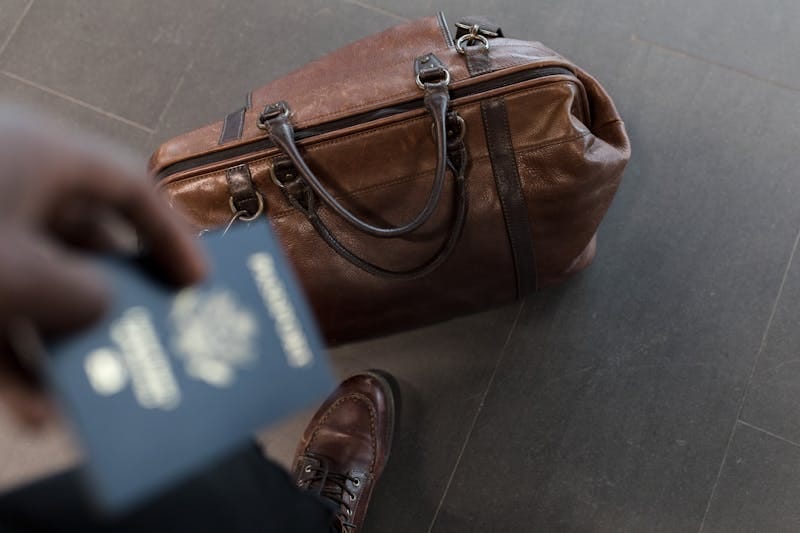
Platform gaps and narrow train doors create additional obstacles. Nevertheless, millions of travelers successfully navigate the Tube daily with various luggage types. However, understanding these constraints helps you prepare for smoother journeys between attractions and accommodations.
Peak travel times, particularly during morning and evening commutes, amplify luggage challenges. In contrast, traveling during off-peak hours provides more space and flexibility. Consequently, timing your major luggage movements around these patterns improves your overall experience.
Hotel Considerations and Storage Space
British hotels often feature compact rooms compared to American standards. Furthermore, storage solutions vary dramatically between modern chain hotels and historic properties. Traditional establishments may offer charming character but limited closet space and awkward room layouts.
Many UK hotels provide luggage storage services for early arrivals and late departures. Additionally, this service becomes crucial when exploring cities before check-in or after checkout. Therefore, your luggage type affects how easily hotels can accommodate these storage requests.
Room accessibility varies significantly across British accommodations. For instance, boutique hotels in converted buildings may lack elevators or feature narrow corridors. Moreover, some establishments occupy multiple floors with rooms accessed via steep staircases.
Suitcases for UK Travel: Pros and Cons
Suitcases offer distinct advantages for UK travel, especially for families and couples on organized itineraries. Particularly, hard-shell suitcases protect belongings from Britain’s frequent rain and rough handling during transport. Additionally, four-wheel spinners provide excellent maneuverability on smooth surfaces like airport terminals and modern hotel lobbies.
Organization benefits make suitcases appealing for longer UK stays. For example, separate compartments keep clean and dirty clothes separated, while built-in garment sections prevent wrinkles in business attire. Furthermore, suitcases accommodate fragile souvenirs and gifts more safely than soft-sided alternatives.
Nevertheless, suitcases present challenges in certain UK environments. Above all, cobblestone streets and uneven pavements make wheeled luggage difficult to maneuver. As a result, you’ll find yourself lifting and carrying suitcases more frequently than expected, particularly in historic city centers and rural areas.

Security considerations favor suitcases in many situations. Indeed, hard-shell cases with TSA-approved locks provide better protection than backpacks. However, their visibility makes them obvious targets for opportunistic theft in crowded tourist areas.
Best Suitcase Types for British Hotels
Four-wheel spinner suitcases work best in modern British hotels with elevators and wide corridors. Specifically, these models reduce strain when navigating smooth surfaces and tight spaces. Moreover, their upright design fits better in compact hotel rooms and narrow storage areas.
Medium-sized suitcases (22-26 inches) strike the optimal balance for UK travel. For instance, they hold sufficient clothing for extended stays while remaining manageable in confined spaces. Additionally, this size typically meets most airline carry-on restrictions for return flights.
- Hard-shell polycarbonate cases for weather protection
- Expandable designs for souvenir shopping flexibility
- Built-in TSA locks for security
- Lightweight construction to maximize packing capacity
Soft-sided suitcases offer advantages in certain UK scenarios. Particularly, their flexibility allows squeezing into tight storage spaces and overhead compartments. Furthermore, external pockets provide quick access to travel documents and essentials during transit.
Handling Cobblestones and Train Stations
Cobblestone streets throughout the UK create significant challenges for wheeled luggage. For example, Edinburgh’s Royal Mile and Canterbury’s historic center feature uneven stone surfaces that jar suitcase wheels and create noise. Consequently, you’ll need alternative strategies for navigating these picturesque but practical obstacles.
Train stations present mixed experiences for suitcase users. On the other hand, major terminals like London’s King’s Cross offer smooth surfaces and escalators. However, smaller regional stations may lack modern amenities, requiring manual lifting over stairs and platforms.
Platform gaps between trains and station edges pose particular challenges. In particular, heavy suitcases become awkward when boarding and alighting from trains. Therefore, practicing lifting techniques and planning extra time for transfers improves your travel efficiency.
Backpacks for UK Travel: When They Work Best
Backpacks excel in specific UK travel scenarios, particularly for active families and adventure-focused couples. Among others, hiking in the Lake District, exploring Scottish Highlands, or walking extensive city tours benefit from hands-free luggage solutions. Moreover, backpacks navigate uneven terrain and crowded spaces more effectively than wheeled alternatives.
Flexibility represents backpacks’ greatest advantage in the UK context. For instance, narrow medieval streets, steep castle stairs, and rural footpaths become easily navigable with properly fitted backpacks. Additionally, public transportation becomes less stressful when your luggage doesn’t require floor space or wheeling through crowds.
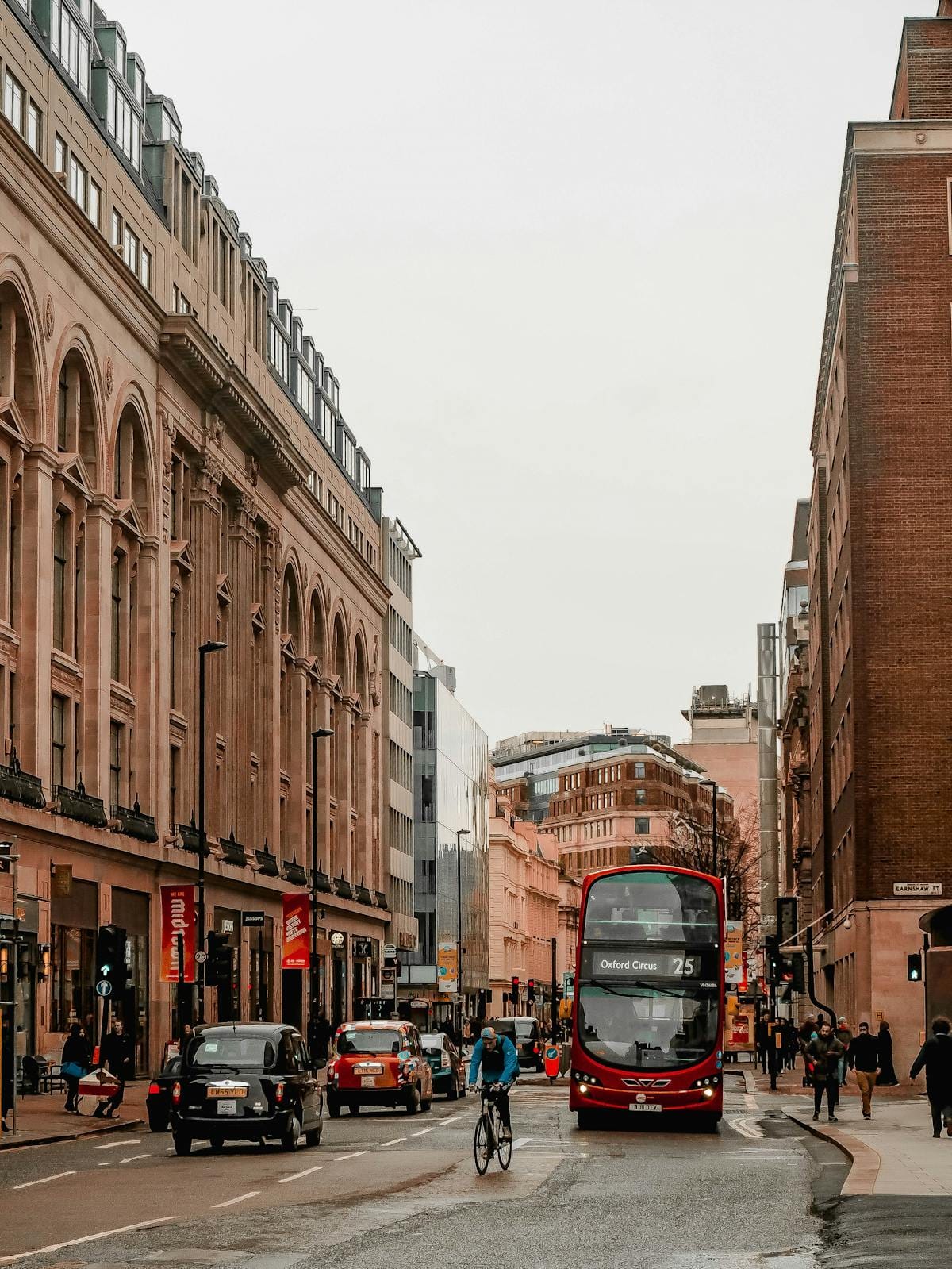
The debate around suitcase vs backpack for UK travel often centers on organization and accessibility. Nevertheless, modern travel backpacks include multiple compartments and organizational features rivaling traditional suitcases. Furthermore, top-loading and front-loading designs offer different packing philosophies for various travel styles.
Weather resistance becomes crucial for UK backpack users. Specifically, integrated rain covers protect belongings during sudden downpours common throughout Britain. Besides that, waterproof zippers and treated fabrics provide additional protection against moisture and humidity.
Family-Friendly Backpack Options
Large capacity backpacks (50-70 liters) accommodate family packing needs while maintaining portability. For example, parents can carry children’s clothing, snacks, and entertainment items without requiring multiple bags. As a result, family groups move more efficiently through airports, stations, and attractions.
Convertible backpack designs offer versatility for mixed UK itineraries. In particular, models with detachable daypacks provide options for city exploration while leaving main luggage at hotels. Furthermore, some designs convert to duffel bags for easier packing and airport handling.
- Adjustable suspension systems for different family members
- External attachment points for additional gear
- Quick-access pockets for travel documents
- Compression straps to minimize bulk when partially packed
Child-specific considerations influence family backpack choices. Moreover, smaller family members may need their own appropriately sized packs for personal items and entertainment. Therefore, coordinating pack sizes and weights ensures everyone can participate comfortably in UK adventures.
Weather Protection and Security
British weather patterns demand robust protection for backpack contents. Indeed, sudden rain showers occur frequently throughout the year, making waterproof features essential rather than optional. Consequently, investing in quality weather protection prevents soggy clothes and damaged electronics during your UK travels.
Security concerns require different strategies for backpack users. On the other hand, backpacks remain attached to your body, reducing separation anxiety in crowded areas. However, rear access points create vulnerability to pickpockets in busy tourist zones and public transportation.
Lockable zippers and security cables provide additional peace of mind in hostels and budget accommodations. Furthermore, many UK establishments offer secure storage areas where properly secured backpacks integrate easily. Therefore, combining physical security features with smart storage choices maximizes protection.
Suitcase vs Backpack for UK Travel: Final Decision Framework
Your final decision in the suitcase vs backpack for UK travel dilemma depends on several key factors. First, consider your accommodation types and locations. Hotels in city centers with modern amenities favor suitcases, while rural B&Bs and hostels may suit backpacks better.
Transportation methods significantly influence luggage choices. For instance, extensive train travel and public transportation benefit from backpack portability. In contrast, rental car trips and direct hotel transfers make suitcases more practical and comfortable.
Trip duration and activity levels also affect decisions. Particularly, longer stays with varied activities may require suitcase organization benefits. However, active itineraries with frequent accommodation changes often favor backpack mobility and flexibility.
Family dynamics play crucial roles in luggage selection. Above all, traveling with young children or elderly relatives may necessitate easier-rolling suitcases. Nevertheless, active families exploring diverse UK regions might prefer backpack advantages for outdoor activities and varied terrain.
Making the Right Choice for Your UK Adventure
Budget considerations extend beyond luggage costs to include airline fees and replacement expenses. Moreover, quality backpacks and suitcases represent long-term investments for multiple UK trips and other international travel. Therefore, choosing durable options appropriate for British conditions provides better value over time.
Personal comfort and physical limitations influence practical luggage decisions. For example, back problems may make heavy backpacks unsuitable regardless of other advantages. Similarly, mobility issues might require wheeled suitcases despite terrain challenges in certain UK locations.
Testing luggage before departure helps identify potential problems and adjustment needs. Specifically, walking with loaded backpacks or maneuvering packed suitcases reveals comfort issues and weight distribution problems. Consequently, addressing these concerns before traveling improves your overall UK experience.
Frequently Asked Questions
Can I bring both a suitcase and backpack to the UK?
Yes, many travelers combine both luggage types for maximum flexibility. For instance, check a large suitcase for base accommodations while carrying a daypack for daily exploration. This strategy works particularly well for longer UK stays with varied activities and multiple destinations.
What size restrictions apply to UK transportation?
UK trains and buses have varying size restrictions, but generally accommodate standard luggage dimensions. However, peak travel times may limit space availability regardless of size compliance. Therefore, checking specific operator policies and traveling during off-peak hours when possible improves your experience.
How do I protect electronics in UK weather?
Waterproof pouches and sealed plastic bags provide essential protection for electronics during UK travel. Additionally, both quality suitcases and backpacks offer internal organization options for keeping devices dry. Furthermore, travel insurance covering electronics provides financial protection against weather-related damage.
What’s the best luggage for UK cobblestone streets?
Backpacks generally perform better on cobblestones than wheeled suitcases, as they don’t require rolling over uneven surfaces. Nevertheless, if you prefer suitcases, models with large, durable wheels and lightweight construction minimize cobblestone challenges. Moreover, planning routes that avoid major cobblestone areas when possible reduces overall difficulty.
Planning Your Perfect UK Luggage Strategy
Ultimately, the suitcase vs backpack for UK travel decision reflects your personal priorities, physical capabilities, and specific itinerary requirements. Both options offer distinct advantages when matched appropriately to British travel conditions and individual needs.
Successful UK travelers often adapt their luggage strategies based on experience and changing circumstances. Moreover, understanding both options’ strengths and limitations helps you make informed decisions for current trips while planning improvements for future British adventures.
Remember that luggage represents just one component of successful UK travel planning. Indeed, researching accommodations, transportation options, and destination-specific challenges provides context for making optimal luggage choices. For comprehensive UK travel planning resources, visit VisitBritain’s official travel guide for additional planning support.
Ready to explore more UK travel tips and destination guides? Browse our extensive collection of articles covering everything from London Underground navigation to Scottish Highland adventures, ensuring your British journey exceeds all expectations.