US travelers arriving in Great Britain in 2026 can bring in £390 of goods, 200 cigarettes, 42 liters of beer or cider, 18 liters of wine and 4 liters of spirits duty-free; anything above that must be declared. Learn the duty-free allowances, the £390 declaration threshold, and the banned-items list, and you save real time at Heathrow, Gatwick, Manchester, and Stansted. A clean walk through the nothing-to-declare lane can shave 30 minutes off your arrival at peak hours. But surprises trip up first-timers. Undeclared duty-free liquor and restricted food are the usual culprits. This 2026 guide spells out exactly what American travelers can bring in, what they must declare, and how to use HMRC’s free online portal. It also covers food rules, electronics, gifts, and goods bought on board the flight. Consequently, you will arrive in the UK already knowing the answer to every customs question. For the entry side — who needs an ETA and how to apply — see our complete UK ETA guide for US citizens.
UK customs in one paragraph for US visitors
UK customs in 2026 sets duty-free allowances for travelers arriving in Great Britain, including 200 cigarettes, 42 liters of beer or cider, 18 liters of wine (still or sparkling since October 1, 2026) and £390 in other goods. Nothing to declare? Take the green lane; everything else goes through the red channel.
UK airports now use only green and red channels (the former blue channel for EU arrivals has closed) — see GOV.UK: bringing goods into the UK for personal use. The £390 limit is a single combined cap for souvenirs, gifts, perfume, and electronics; you cannot apply it per item. You cannot combine your allowance with anyone else’s, even within a household — see GOV.UK: personal allowances. Over the threshold? The online HMRC service takes your declaration up to five days before arrival. Therefore, US travelers carrying a high-value gift should pre-declare and skip the red-lane queue entirely.
Duty-free allowances for arrivals from the United States
From the United States, US travelers may bring 200 cigarettes or 50 cigars or 250 g of tobacco, 42 liters of beer or cider, 18 liters of wine (still or sparkling), 4 liters of spirits over 22% ABV or 9 liters of other alcoholic drinks up to 22% (such as fortified wine), and goods up to £390 (£270 if you arrive by private plane or boat). Since October 1, 2026, cider counts with beer and sparkling wine counts with wine in Great Britain; the volume limits themselves stayed the same.
The new categories come from the Travellers’ Allowances (Amendment) Order 2026 (SI 2026/981), which applies in Great Britain but not Northern Ireland; the official summary is at GOV.UK: arriving in Great Britain. Anyone aged 17 or over gets the alcohol and tobacco allowances; under-17s get none. You can also split the spirits / fortified-wine allowance proportionally — for instance, 2 liters of spirits (half of 4 liters) plus 4.5 liters of fortified wine (half of 9 liters) equals one full allowance. In addition, there is no separate perfume allowance any more — perfume counts towards your £390 goods allowance. Gifts you bring to give away count toward your own £390 allowance, but goods you carry on someone else’s behalf aren’t covered and must be declared. Therefore, you cannot “hold” a friend’s £600 watch through customs and call it theirs. Indeed, HMRC officers regularly cross-check receipts on suspicion of disguised commercial goods.
What must be declared and how — the red channel and online form
Declare any goods over £390, alcohol or tobacco above the allowance, anything for sale, restricted food, £10,000 or more in cash, or items requiring an export license. Consequently, if any of these apply, use the red channel or file the online declaration up to five days ahead.
The HMRC online declaration is the fastest 2026 route, available via GOV.UK: declaring goods. The calculator quotes excise and VAT in advance and lets you pay by US-issued card. Then you walk through the green “nothing to declare” channel and show your confirmation or reference number if an officer asks. You can also declare goods on arrival using a red-point phone instead of the red channel. However, undeclared excess can be seized and a penalty of up to 100% of duty applied per GOV.UK: bringing goods into the UK (seizure, fines). In addition, you may also be fined or prosecuted. Therefore, declare in case of doubt.
Food, plants, and biosecurity rules in 2026
UK customs bans meat and dairy products from the US, and most fruit, vegetables, plants and seeds need a plant health (phytosanitary) certificate; so arrivals from the US cannot bring beef jerky or cheese and should not pack fresh produce. Beef, pork, lamb and goat meat and all dairy from the EU have also been banned for personal imports since April 12, 2025. Therefore, eat or discard before landing.
The Department for Environment, Food and Rural Affairs publishes the rules at GOV.UK: bringing food into Great Britain. Bread, biscuits, chocolate and confectionery can be brought in from any country without restrictions — there is no 2 kg limit for them. However, powdered infant milk, infant food and special food needed for medical reasons are allowed (up to 2 kg per person, in unopened branded packaging). In addition, fish is limited to 20 kg per person, and fresh herbs and mushrooms are not on the list of produce allowed without a plant health certificate. Consequently, US travelers should avoid packing snacks like beef sticks, biltong, or hard cheeses. Biosecurity dogs work the baggage hall, too — and yes, they will sit beside the suitcase hiding a forgotten ham sandwich. Indeed, banned food is seized, and if you do not declare it you could be fined up to £5,000 (in England) or prosecuted. Once you’re through, British food is fair game — our afternoon tea etiquette guide is a good place to start.
| Allowance category | 2026 limit (US arrivals) | Notes |
|---|---|---|
| Cigarettes | 200 | or 50 cigars / 100 cigarillos / 250 g tobacco |
| Beer and cider | 42 liters | Cider counts here since October 1, 2026 |
| Wine (still and sparkling) | 18 liters | Sparkling wine (prosecco, champagne) counts here since October 1, 2026 |
| Spirits over 22% | 4 liters | or 9 liters of other alcoholic drinks up to 22% (such as fortified wine) |
| Other goods | £390 | £270 by private plane or boat; total, not per item; gifts included |
| Cash declaration | ≥ £10,000 | Includes equivalent USD value |
Electronics, drones, and high-value carry-on rules
As a visitor, your own laptop, phone and camera fall under temporary admission, and you declare them simply by walking through customs—no form needed. Drones are the exception: since 1 January 2026, drones weighing 100 g or more need a CAA Flyer ID before flying in UK airspace, plus an Operator ID if they weigh 250 g or more or have a camera. Therefore, register before landing if you plan to fly the drone in London or the Lake District.
The CAA portal is the official source — see CAA: register to fly a drone. An Operator ID costs £12.34 and lasts 1 year; the CAA does not recognise US registrations. In addition, lithium batteries are limited to 100 Wh in carry-on by IATA rules; spares must be in carry-on, not checked. Consequently, US travelers with travel power banks or laptop spare batteries are unaffected. However, professional photographers bringing in equipment for work may need to use Temporary Admission (for example an oral declaration with form C108, or an ATA Carnet) — covered by GOV.UK: import goods temporarily. Therefore, working journalists and content creators should plan ahead. As a result, the green lane still works for most leisure travelers. Flying from Chicago? Our Illinois to UK travel guide covers the flight side.
Cash, gold, and high-value declarations
Travelers carrying £10,000 or more in cash or bearer instruments must declare it when travelling between Great Britain and a country outside the UK. Specifically, the declaration is free; failure to declare can lead to seizure under the Proceeds of Crime Act. Therefore, declare honestly even for inheritance funds.
The threshold applies in any currency that converts to £10,000 or more, around US$13,500 at May 2026 exchange rates — see GOV.UK: take cash in and out of the UK. You can make the declaration online or by phone. The earliest you can declare is 72 hours before you travel; you can also declare at the red channel on arrival. If you’re traveling as a couple, family or group with £10,000 or more in cash in total, you must declare it, even if each person is carrying less. GOV.UK doesn’t say whether one joint declaration covers everyone, so check with HMRC before you travel. Gold coins and bullion count as cash only for travel in or out of Northern Ireland; silver and uncut diamonds do not count as cash. Indeed, the rules also apply when leaving the UK, not just arriving.
Pets, animals, and live goods — quarantine and PETS rules
US travelers bringing dogs or cats must use the UK Pet Travel Scheme (PETS) and arrive on an authorized route — typically a flight to Heathrow or Manchester. An EU pet passport is accepted only if it was issued in an EU country, so a pet travelling from the US needs a Great Britain pet health certificate instead. Therefore, plan 4 months ahead.
The full rules and approved carriers list are at GOV.UK: bringing your pet to Great Britain. Your pet must be microchipped, vaccinated against rabies at least 21 days before travel, and carry a USDA-endorsed Great Britain pet health certificate. All dogs, including dogs from the US, also need tapeworm treatment by a vet between 24 hours and 5 days before arrival. However, the US is on the listed countries list, so the rabies blood-test rule does not apply. Consequently, the standard PETS path is the right choice for US-resident pets. Notably, only certain airlines, ferries, and the Channel Tunnel accept pets on PETS terms.
Practical tips for US travelers at Heathrow and Gatwick
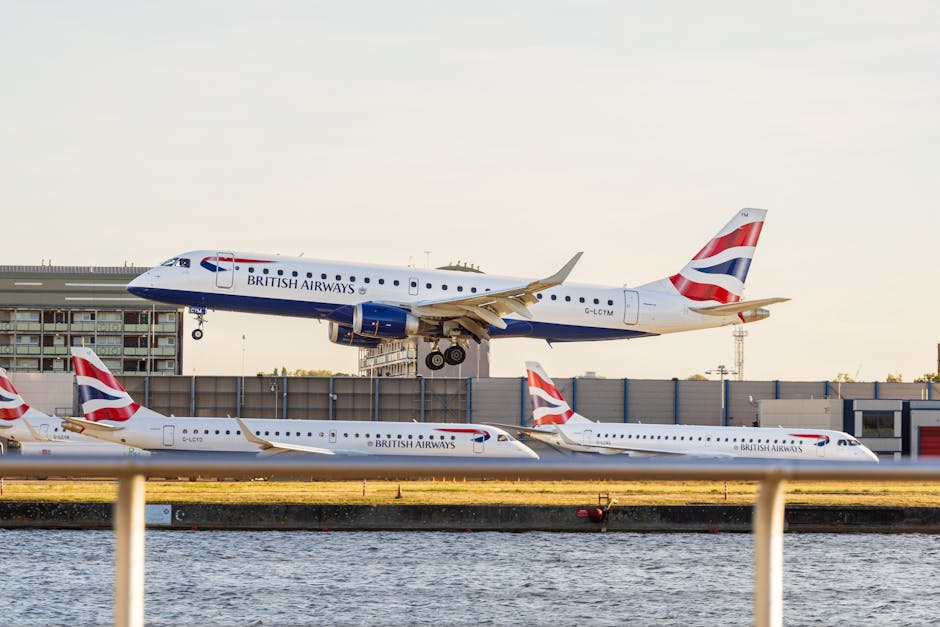
Save time at UK customs in 2026 by using the e-gate channel, pre-declaring online, and packing receipts for high-value items. Specifically, US citizens with a biometric passport can use UK eGates, and since 8 July 2026 children from age 8 (at least 120 cm tall, with an adult) can use them too. That makes the green lane faster than ever.
U.S. citizens with a valid ETA were already eligible to use eGates; the 2026 change lowered the minimum age for children from 10 to 8, as announced by GOV.UK: more children eligible for eGates. Large family groups should keep all passports together to speed e-gate scanning. The same advice applies at Gatwick and Manchester. Indeed, you do not need to show an ETA receipt — your ETA is linked digitally to your passport, although keeping the confirmation email is handy. Connecting from the Mountain West? See our Utah to UK travel guide.
Frequently asked questions
What can I bring into the UK from the US duty-free in 2026?
You can bring 200 cigarettes, 42 liters of beer or cider, 18 liters of wine (still or sparkling), 4 liters of spirits (or 9 liters of other drinks up to 22% ABV, such as fortified wine), and other goods up to £390 without paying duty. Above these limits, declare via gov.uk before arrival or take the red channel.
Do I need to declare my laptop or camera at UK customs?
No form is needed. As a visitor, your own laptop and camera technically fall under temporary admission, but you declare them simply by walking through customs. Temporary Admission with an oral declaration (form C108) or an ATA Carnet is mainly used for professional equipment brought in for work. Items you buy abroad count toward the £390 allowance, which covers the total value of the goods, not each item separately.
Can I bring beef jerky or cheese into the UK from America?
No. You can’t bring meat or meat products (including beef jerky) or dairy products (including cheese) into Great Britain from the US. Eat or discard them before arrival; biosecurity dogs work the baggage hall and routine seizures occur in 2026.
How do I declare if I am over the £390 allowance?
Use the HMRC online declaration up to five days before arrival, pay by US-issued card, and walk straight through with the reference. Otherwise, take the red lane after baggage reclaim.
Can I take gifts to UK family members duty-free?
Yes, provided their combined value plus your other goods stays under £390 per traveler. Above that, declare them — you then pay tax and duty on the total value of the goods, not just the amount over £390.
Are e-gates open to US passport holders in 2026?
Yes. US citizens can use UK eGates at most major airports (children from age 8 since 8 July 2026), as long as their UK ETA is valid and linked to the passport in use.
What happens if customs finds undeclared goods?
Items can be seized, plus a penalty of up to 100% of duty owed. You may also be fined or prosecuted.
Cleaning up the £390 allowance, ditching meat and cheese before landing, and pre-declaring high-value gifts via gov.uk takes the friction out of your UK arrival in 2026. And with eGates open to US citizens, the passport check itself typically takes just minutes.
Last updated: October 27, 2026.