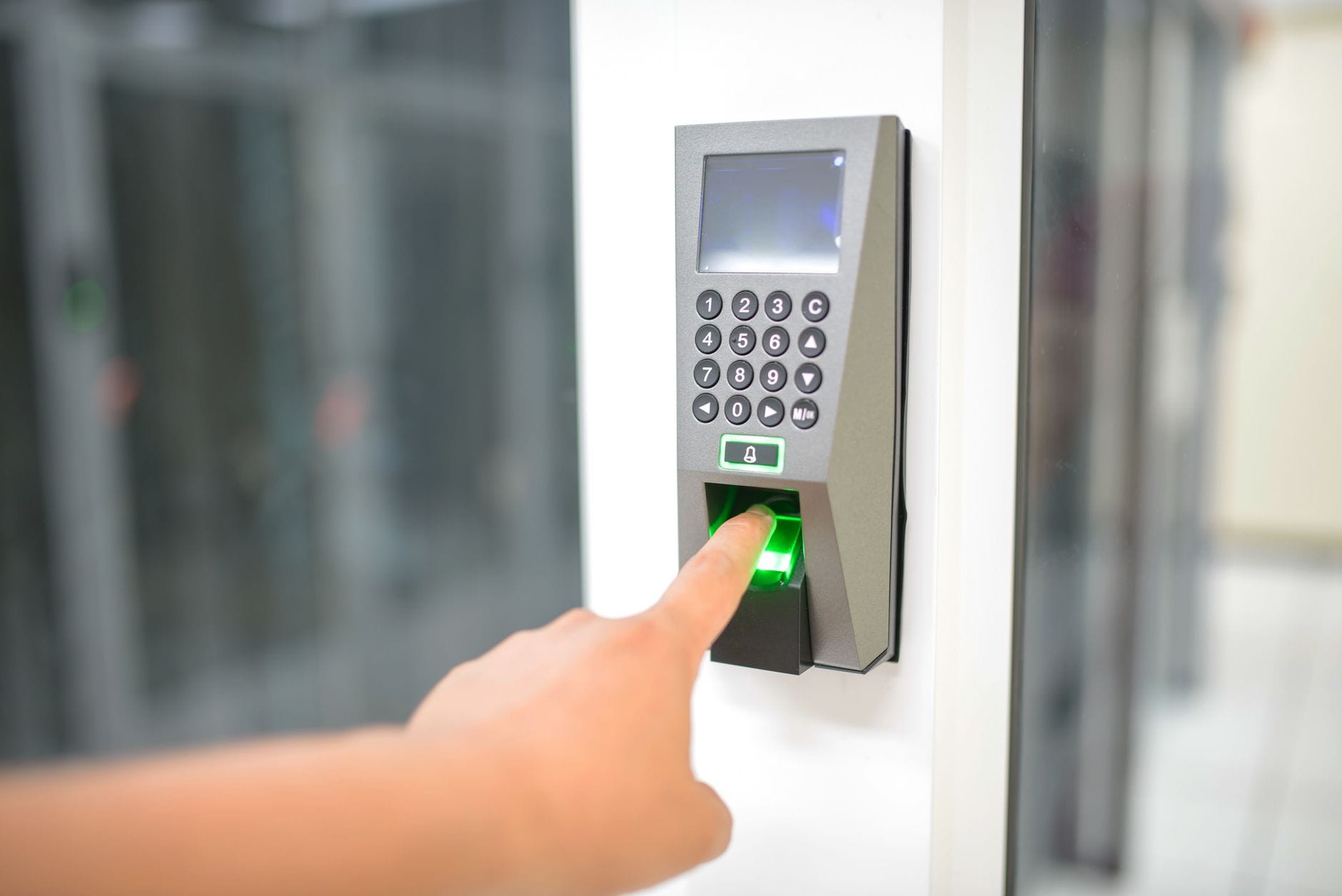
If you’re a privacy-conscious American planning a trip in 2026, you’ll want to know what biometric data the UK ETA collects from you. The UK Electronic Travel Authorisation is a lightweight pre-travel check. Unlike a full UK visa application, it doesn’t require fingerprints or a biometric enrollment appointment. Before you apply, though, it’s worth knowing what information the Home Office gathers, both during the ETA process and when you arrive.
TL;DR: The online ETA form collects personal, passport, and travel history data plus a digital photo of your face — but no fingerprints or in-person biometric appointment. Biometric data (fingerprints, facial image) may be collected at the UK border as part of standard entry procedures. The ETA costs £20 (about $26–27); most applicants get a decision within one working day, but it can take up to three working days. The Home Office processes your data under the UK GDPR, the Data Protection Act 2018, and the Data (Use and Access) Act 2025.
| UK ETA Biometric Data Facts | Details |
|---|---|
| Fingerprints required for ETA application? | No — application is online only, no biometric enrollment |
| Facial photo for ETA? | Yes — a digital photo of your face is required and must meet gov.uk digital photo rules |
| Passport chip data read at border | Yes — e-Gates read biometric passport chip |
| Fingerprints at UK border | May be collected for certain travelers at officer discretion |
| Data retention period | Up to 10 years under UK immigration data laws |
| US-UK data sharing | Yes — US and UK share immigration intelligence under bilateral agreement |
This guide covers the full picture — what’s collected, how it’s used, your rights as an American citizen, and what to expect at e-Gates. For a complete application overview, see the complete UK ETA guide for US citizens.
What Biometric Data Does the UK ETA Application Collect?
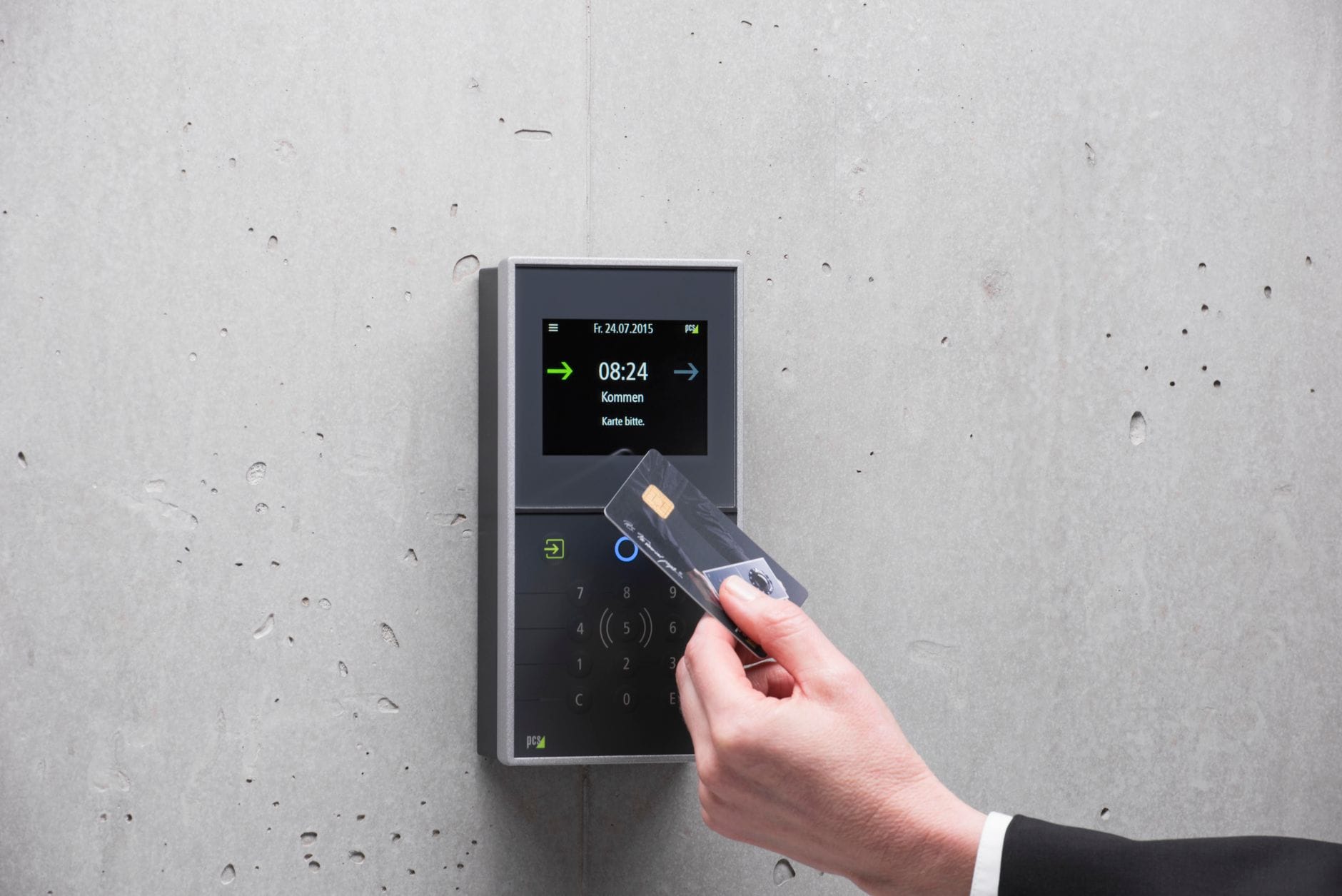
The ETA form itself — completed online via the official gov.uk portal — collects the following information:
- Full legal name as it appears in your US passport
- Date and place of birth
- Nationality
- Passport number, issue date, expiry date, and issuing country
- Contact information (email address, phone number)
- Travel history and nationality history
- Suitability questions (criminal history, immigration history, public health)
- A digital photo of your face that meets gov.uk digital photo rules
The ETA application does include one biometric element: a digital photo of your face, which must meet the gov.uk rules for digital photos. It does not involve fingerprints, iris scans, or an in-person enrollment appointment — you apply online or in the UK ETA app, and your ETA is linked electronically to your passport.
That’s a sharp contrast to the UK Standard Visitor Visa process, which for many nationalities requires a biometric enrollment appointment at a UK Visa Application Centre, where fingerprints and a photo are taken.
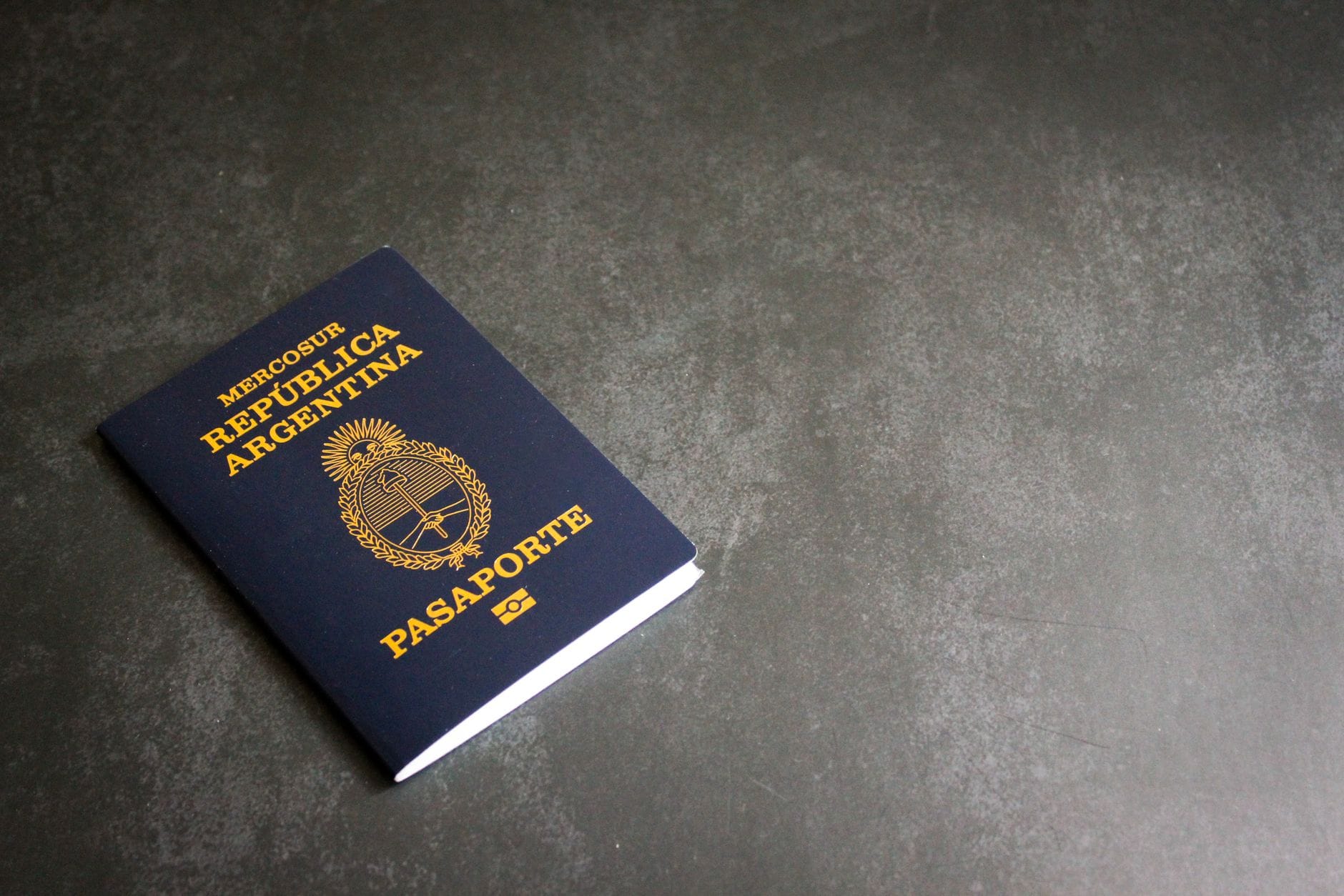
Pro tip: Your US passport is itself a biometric document — the chip embedded in your passport’s back cover contains your photo, fingerprints (in some passport generations), and machine-readable identity data. When you use a UK e-Gate, this chip is read automatically. Your ETA is verified against the chip data in milliseconds. This is why your ETA must be linked to the exact passport you use to travel — see ETA and passport renewal for more.
What Biometric Data Is Collected at the UK Border?
The distinction matters here. What happens when you fill in the ETA online is not the same as what happens once you land in the UK.
At e-Gates (automated border control): Most American travelers entering the UK at major airports use e-Gates, which read the biometric chip in your passport. The process captures your facial image via a camera for matching against the chip photo. It’s a brief, automated scan — not a full fingerprint enrollment.
At staffed border booths: A UK Border Force officer may request additional biometric verification at their discretion. For Americans, this typically involves confirming identity details — fingerprints and facial matching are sometimes requested for travelers flagged for additional checks.
UK Entry/Exit System (EES): The UK is rolling out the EES, which will record fingerprints and a facial image for all non-UK travelers, including Americans, each time they enter or leave the UK. This is a significant expansion of biometric collection at the border. The EES is designed to enforce the 6-month stay limit and flag overstayers. As of 2026, check the current rollout status at Heathrow and other major UK ports.
Step-by-Step: Understanding Your UK Border Biometric Experience
- Approach the e-Gate with your US biometric passport open to the photo page (or use the chip scanner).
- Place passport on the scanner — the e-Gate reads the RFID chip, verifying your identity and ETA authorization simultaneously.
- Look at the camera for facial verification against your passport photo. This takes seconds.
- Gate opens if verification passes. You do not need to interact with a border officer unless flagged.
- If sent to secondary screening: A Border Force officer may collect fingerprints. This is routine for a small percentage of travelers and is not necessarily an indicator of any problem.
- Your entry is recorded. Under the UK EES, your entry time, biometrics, and travel document data are logged in the UK immigration database.
How Long Does the UK Keep Your ETA and Biometric Data?

UK immigration data — including ETA application data — is held by the Home Office under UK data protection legislation (the UK GDPR, the Data Protection Act 2018, and the Data (Use and Access) Act 2025). Key data retention facts for Americans:
- Your ETA records are typically retained for up to 10 years from the date of application or last travel.
- Border crossing records (entry and exit data) are retained for similar periods.
- Biometric data captured at the border (facial scans from e-Gates, fingerprints from secondary screening) is held in the UK immigration database.
- Data sharing with the United States occurs under a bilateral US-UK intelligence and law enforcement agreement. Information about US citizens’ UK travel history can be shared with US Customs and Border Protection (CBP) and Homeland Security.
For more on your rights regarding this data, the UK Information Commissioner’s Office (ICO) at ico.org.uk handles data protection queries. As a US citizen, you also have rights under the US Privacy Act for data held by US government agencies that may receive UK-shared information.
Is UK ETA Biometric Data Secure?
The UK Home Office uses encrypted systems for ETA and biometric data storage. The chip inside your passport is protected by cryptographic protocols that prevent unauthorized cloning or reading from a distance. The UK’s national border systems have undergone multiple independent security audits.
No large-scale breaches of UK ETA application data have been reported as of 2026. However, as with any government data system, the theoretical risk of breach exists. Americans concerned about digital privacy should note that the information you submit is standard immigration data — similar to what is captured on US/Global Entry arrivals forms — and most travelers accept this as a routine part of international travel.
Frequently Asked Questions
Do I have to give my fingerprints to apply for a UK ETA?
No. The whole application is online, and there’s no biometric enrollment appointment. Border Force officers may take your fingerprints at the UK border, or they may be collected under the UK’s EES for all non-UK travelers, but that happens separately from the application.
Does the UK ETA require a photo?
Yes. You need to provide a digital photo of your face that meets the gov.uk rules for digital photos (the same rules used for passport photos). When you arrive, your identity is checked against the chip in your passport.
Can I use a non-biometric passport for a UK ETA?
All US passports issued since 2007 are biometric (containing an RFID chip). If you hold a pre-2007 US passport without a chip, you should check UK entry requirements carefully, as e-Gate access typically requires a biometric passport. US passports older than 10 years will also be expired, so this is primarily a theoretical concern.
Will my UK ETA biometric data be shared with the US government?
Yes, to a degree. The US and UK share immigration and security information under bilateral agreements. Your UK travel history may be accessible to US Customs and Border Protection and other US agencies as part of standard international data sharing. This is standard practice for allied countries and is separate from ETA-specific data sharing.
Will the ETA form ask about my social media?
The ETA form doesn’t ask for your social media handles or for access to your profiles. The US ESTA, by contrast, has experimented with social media questions for certain travelers. The UK form is kept short and simple.
How do I request access to my UK ETA data?
Under UK data protection law, you can submit a Subject Access Request (SAR) to the UK Home Office to receive a copy of the personal data they hold about you. Instructions are available on the gov.uk website.
Will the UK’s Entry/Exit System affect US citizens differently than before?
Under the EES, all non-UK/non-Irish travelers will have their fingerprints and facial image captured each time they enter or leave the UK. This is a change from current practice at e-Gates, which primarily scan passport chip data. Americans will be subject to this expanded biometric collection. The rollout timeline has been subject to delays — check gov.uk for the most current EES implementation date.

The biometric picture for Americans applying for a UK ETA is straightforward. The form itself requires only a digital photo of your face — no fingerprints or enrollment appointment. Entry into the UK, though, involves automated chip verification and potentially broader biometric collection under the country’s EES. Your records sit under the UK GDPR and the Data Protection Act 2018, and they are kept for up to 10 years. For most American travelers, this represents a routine and acceptable part of international travel. Apply at gov.uk/eta/apply, and see our guides on UK ETA photo requirements and ETA mistakes to avoid for more.