
Yes, you can hold a UK ETA on a one-way ticket, because the authorization itself does not ask for a return or onward flight. What matters is that you are a genuine visitor who plans to leave within the six-month limit. Border officers and airlines can still ask about your onward plans, so it pays to be ready.
TL;DR: A UK ETA on a one-way ticket is allowed. The £20 ETA covers visits of up to six months and needs no proof of a return flight to obtain. Even so, UK Border Force can ask how and when you will leave, and some airlines want onward-travel evidence before they let you board.
- ETA allows it: no return booking is needed to apply (gov.uk/eta).
- Stay limit: up to six months per visit as a standard visitor.
- Border discretion: officers may ask how you intend to leave Britain.
- Airline policy: some carriers request onward-travel evidence on single fares.
- Fee: £20, with the ETA valid for two years or until your passport expires.
| Item | Detail |
|---|---|
| Return ticket needed to apply? | No |
| Maximum visit length | Six months |
| Who may ask about your exit plan | Border Force and, sometimes, your airline |
| Cost | £20 per traveler |
| Where to apply | Official gov.uk ETA service |
Can you get a UK ETA without a return flight?
You can get a UK ETA without a return flight, because the application never asks for outbound or onward tickets. The form collects your passport details, a photo, and a few background questions, then runs automated checks. It does not look at your itinerary, so a single fare has no effect on whether the ETA is approved. This surprises travelers who expect a visa-style questionnaire. An ETA is lighter than a visa; it confirms you are cleared to travel, not that you have booked a round trip. The official ETA guidance lists what you need to apply, and a return booking is not on that list. The Home Office ETA factsheet confirms the authorization covers stays of up to six months. Where onward travel matters is later, at the UK border and occasionally at the airline gate.

What UK Border Force can ask when you arrive
When you arrive, border officers can ask why you are visiting, how long you plan to stay, and how you intend to leave the country. As a standard visitor you are expected to depart at the end of your trip, so an officer may want reassurance that a single-ticket arrival is not an open-ended stay. Most US travelers pass through with a few routine questions. If you booked one-way because your plans are flexible, that is fine, but have a credible answer ready: an onward flight you plan to book, a cruise you are joining, or a return you will arrange once dates firm up. The standard visitor rules make clear that visitors must intend to leave, which is the concern behind the question.
Feeling uneasy about facing those questions alone? That is completely normal on a first visit. We can talk through what documents to keep handy so you arrive relaxed rather than rehearsing answers in the passport queue.
Why some airlines still want proof of onward travel
Some airlines still want onward-travel evidence on a single fare because carriers can be fined if they fly a passenger who is later refused entry. To manage that risk, check-in staff occasionally ask to see how you will leave Britain before they issue a boarding pass, even though the ETA itself does not require it. This is an airline policy, not a Home Office rule, and it varies by carrier and route. It is more common on budget and long-haul one-way fares. The simplest fix is to carry evidence of onward plans: a return or connecting flight, a ferry or Eurostar booking, or a refundable ticket you can show and cancel later. A short, calm explanation usually settles it.
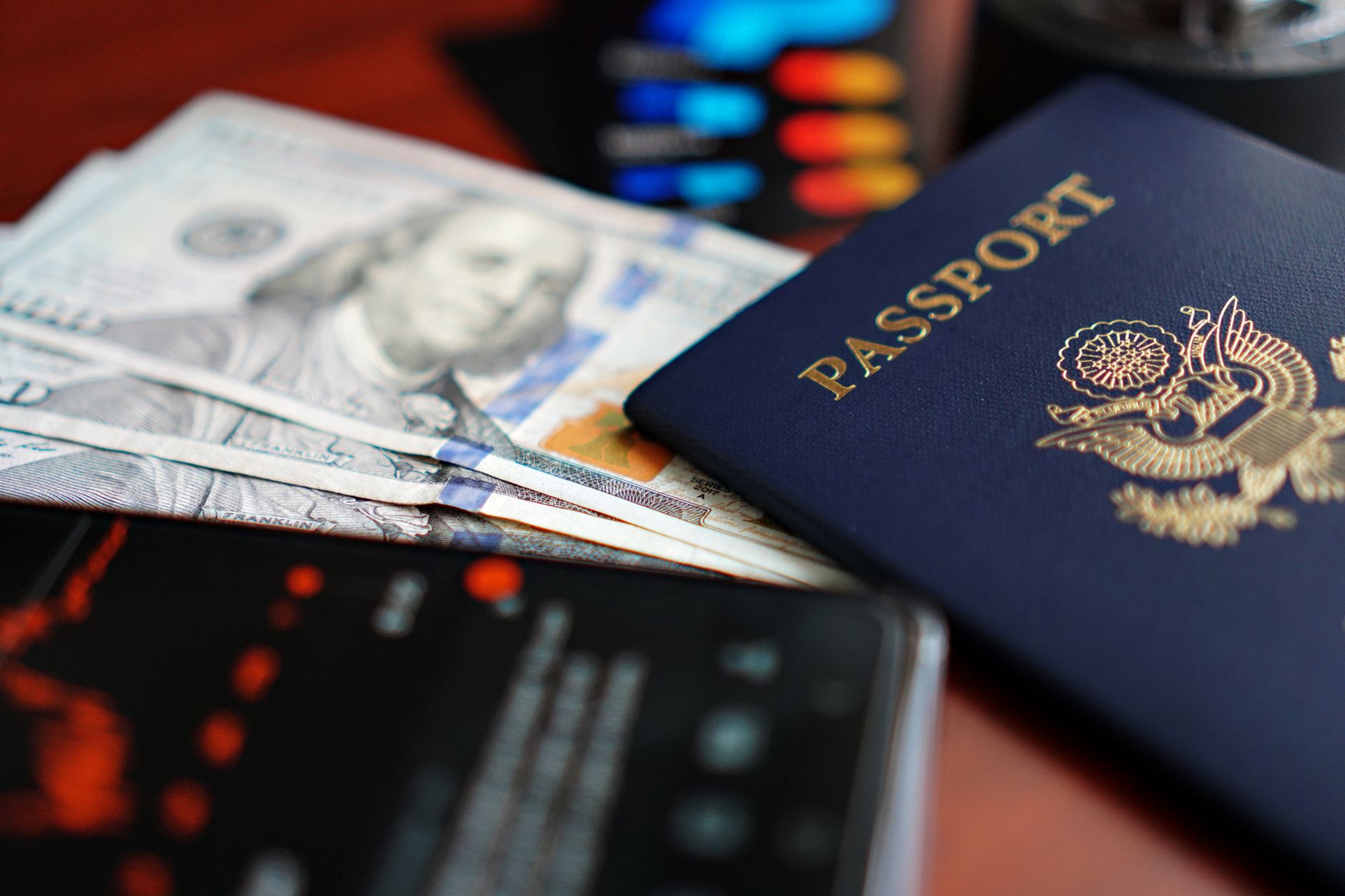
Pro tip: A fully refundable onward ticket costs nothing if you cancel in time and answers both the airline and the border officer in one document. Book it, screenshot it, and keep it on your phone for the trip.
How to travel one-way with confidence
To fly one-way with confidence, apply for your UK ETA as normal and then prepare a short evidence pack that shows you are a genuine visitor. The ETA gets you cleared to board; the evidence pack answers any onward-travel question at the gate or the border quickly and calmly. A simple checklist helps:
- Apply for the £20 ETA on the official gov.uk service and wait for approval.
- Note your planned departure date, even if the ticket is not booked yet.
- Keep your exit plan handy: a flight, ferry, Eurostar, or refundable ticket.
- Have accommodation details and rough funds information ready if asked.
- Answer border questions honestly and briefly, focusing on when you will leave.

One-way trips that are perfectly normal
Plenty of open-ended UK trips are perfectly normal, from backpacking routes across Europe to travelers joining a cruise in Southampton or driving on to Ireland. In each case the UK stay is temporary and within six months, which is exactly what a standard visitor ETA covers. Consider a graduate flying single from Boston, spending three weeks in Britain, then continuing to Portugal on a cheap flight booked later. Or a couple who fly into London, tour England, and sail home on a transatlantic cruise. Neither has a return flight, yet both are clearly short visits with an exit plan. If your route touches a cruise, our UK ETA guide for cruise passengers covers the boarding details, and the six-month multi-entry rule explains how long you can stay.

What flying one-way does not change
Flying one-way does not change the core ETA rules: you still get up to six months per visit, you still cannot work or claim public funds, and you still must leave at the end of your stay. The ticket type is a logistics detail, not a different immigration status. It also does not affect the fee or validity. Your UK ETA on a one-way ticket still costs £20 and lasts two years or until your passport expires. What a single booking can change is the number of questions you field on the day, which is why a little preparation goes a long way. For the wider rules, see our UK ETA versus tourist visa comparison and the UK border control and customs guide.

Frequently asked questions
Do I need a return ticket to apply for a UK ETA? No. The ETA application does not ask for a return or onward booking. It only needs your passport details, a photo, and answers to a few background questions before the automated checks run.
Can UK Border Force refuse me for arriving one-way? A single fare alone is not grounds for refusal, but officers can ask how you plan to leave. Give an honest, specific answer and, if you can, show onward-travel evidence to settle the question.
Will my airline let me board with a single ticket to the UK? Usually yes, though some carriers ask for onward-travel evidence first to avoid fines. Carrying a return, connecting, or refundable ticket on your phone makes check-in smoother.
How long can I stay in the UK on an ETA? Up to six months per visit as a standard visitor. The ETA allows multiple entries over two years, but each individual stay is capped, whether you arrived one-way or round-trip.
Does a single booking cost me more for the ETA? No. The ETA fee is a flat £20 regardless of your ticket type. Flying one-way does not change the price, the validity, or the way you apply.
Related UK ETA guides for US travelers
- UK ETA versus tourist visa
- UK ETA six-month multi-entry rule
- Who needs a UK ETA
- Complete UK ETA guide for US citizens
- UK ETA 2026 requirements and cost
- UK ETA application guide for US citizens
- UK ETA validity period explained
- UK border control and customs guide
- UK ETA guide for cruise passengers
- UK ETA processing time for US citizens
- How far in advance to apply for a UK ETA
- First-time visit to the UK for US travelers
etavisauk.us is an independent assistance service, not a government body. You can apply for a UK ETA directly on gov.uk (£20), or let us check and support your application.
About the author. The ETA UK Editorial Team at etavisauk.us writes practical guides for Americans traveling to the UK and checks every figure against official UK government sources before publishing.
Last updated: 2026-09-22 — verified against gov.uk schedule.