UK packing US in 2026 is about three rules: layers, waterproof outerwear, and walkable shoes. Furthermore, despite what social media shows, British summer is not Mediterranean. Average London temperatures peak at 71°F in July, drop to 58°F at night, and rain falls on roughly 40% of days. Consequently, Americans packing for a June-August trip should think “coastal New England” rather than “Florida beach.”
TL;DR: US travelers visiting the UK need a UK ETA — a digital travel authorization costing £20 (rising to £20 from April 2026). It’s valid for 2 years and allows multiple visits up to 6 months each. Apply online via the official UK ETA app — most decisions arrive within 3 business days. Required before boarding any flight from the US to the UK.
| Quick Facts — UK ETA for US Travelers | |
|---|---|
| Fee | £20 (~$20 USD; rising to £20 in April 2026) |
| Validity | 2 years |
| Processing time | 3 business days (up to 14 in some cases) |
| Multiple entries | Allowed |
| Max stay per visit | 6 months |
In this guide, we cover exactly what goes in the suitcase (with brand-name recommendations), what to leave at home, how to handle the UK’s type-G plug situation, packing for mixed activities (museums + hiking + pubs), and the airline weight limits that catch American packers off guard. Apply for your UK ETA before finalizing any bookings.
Weather Realities: May-September
May: 60-66°F daytime, 46-52°F nights, 12 rainy days. June: 66-72°F, 52-57°F, 11 rainy days. July: 70-73°F, 55-60°F, 10 rainy days. August: 70-72°F, 55-59°F, 11 rainy days. September: 64-68°F, 51-56°F, 12 rainy days. Additionally, Scotland runs 4-6°F cooler and Cornwall 2-3°F warmer.
Moreover, heatwaves have become more common. 2022 hit 104°F in London briefly. However, these are outliers — pack for the averages, not the extremes. UK homes and hotels rarely have air conditioning, so when heatwaves arrive, sleep can suffer.
Pro tip: Apply for your UK ETA at least 1 week before travel. Although most are approved within 3 business days, some applications take up to 14 days — especially for first-time applicants or those with prior immigration history.
Clothing: The Layer System
Base layer: merino or technical t-shirts (Smartwool, Icebreaker, Patagonia Capilene). Merino resists odor, which means fewer shirts needed. Pack 4-5 short-sleeve tops for a 10-day trip. Mid layer: one light sweater (Uniqlo Heattech or similar) and one light fleece or flannel shirt. Outer: a packable waterproof shell (Marmot PreCip, Patagonia Torrentshell, or similar at $150-$200).
Bottoms: 2 pairs of trousers (one chinos for museums/pubs, one technical or jeans for walking), 1 pair of shorts for warm days. Additionally, pack 1 long-sleeved button-down for dinner. For women, add 1-2 dresses that work with sneakers or flats.
Shoes: The Most Important Choice
Cobblestones, wet sidewalks, and 8-10 mile walking days demand real shoes. Bring 2 pairs: one broken-in walking shoe (Hoka Bondi, Brooks Ghost, Allbirds Tree Runners) and one dressier shoe (leather sneakers, loafers, or low-heeled boots for women). Indeed, most Americans pack too many shoes — 2 pairs is correct for most 10-day trips.
Furthermore, avoid brand-new shoes. Broken-in matters more than brand. Moreover, flip-flops or sandals only make sense for Cornwall or Welsh beach days — skip them for city-focused trips.
Electronics and Adapters
UK uses type G plugs — three rectangular pins. Buy a universal adapter with USB-C ($15-$25 on Amazon). American 110V appliances with 220-240V compatibility (most modern laptop chargers, iPhone chargers, e-readers) work with a simple adapter. However, hair dryers and curling irons often need a voltage converter or a UK-sold replacement.
Additionally, UK outlets include a built-in switch — the outlet is off by default until you flip the toggle next to it. Moreover, bathroom outlets typically only support electric shavers (low-power); charge phones in the bedroom.
The Day Bag
A 20-25L daypack is essential — you will walk 5-10 miles per day. Recommended: Osprey Daylite, Patagonia Refugio, or Fjallraven Kanken. It should hold a waterproof shell, water bottle, small umbrella, camera or phone, wallet, and a light layer for evening.
Additionally, a chest-strap or crossbody bag is the safest option in busy London areas. Furthermore, tourist pickpocketing concentrates on the Tube, Leicester Square, and Oxford Street — zip everything and keep valuables close to your body.
Toiletries and Medications
Pack a 7-day supply of toiletries plus prescription medications for the whole trip. Moreover, bring prescription copies (photos on your phone suffice). Over-the-counter US medications like Benadryl (“diphenhydramine” in UK pharmacies), Tylenol (“paracetamol”), or Advil (“ibuprofen”) are all available at Boots or Superdrug. Consequently, you can restock cheaply.
However, certain medications — Allegra, Claritin D, Sudafed (true ephedrine) — have different names or different status in the UK. Check with your pharmacist before travel. For healthcare emergencies abroad, see our UK healthcare for Americans guide.
Money, Documents, and Phones
Bring 1-2 credit cards with no foreign transaction fees (Chase Sapphire, Capital One Venture, Amex Platinum). Pack a backup debit card for ATM withdrawals. No cash exchange needed in advance — £100 from a UK ATM on arrival covers small purchases. Moreover, most pubs, taxis, and shops accept contactless.
Documents: passport, ETA confirmation (screenshot plus paper), travel insurance card, hotel reservations, return flight. Phone: activate a UK eSIM before departure. See our UK SIM guide for the specifics.
What to Leave at Home
Leave: US-style plug adapters without a UK specification, full-size toiletries (buy on arrival), heavy winter coats (unless visiting Scottish Highlands in early May), hairdryers (hotels provide), dress shirts with ties (even fine restaurants accept smart-casual), and anything with a built-in voltage converter.
Additionally, leave at home: multiple guidebooks (download e-versions), bulky cameras if iPhone 15+ satisfies your needs, and ski-style layering intended for sub-freezing weather.
UK Spring/Summer Packing Checklist
Therefore, here is the condensed checklist — tick each item as you pack:
| Category | Essential | Optional | Avoid |
|---|---|---|---|
| Outerwear | Waterproof shell, light sweater | Light fleece | Heavy winter coat |
| Tops | 4-5 merino/tech t-shirts, 1 long-sleeve | Button-down for dinner | White-only wardrobe (stains) |
| Bottoms | 2 trousers, 1 shorts | 1 extra pair | Full denim-only wardrobe (slow to dry) |
| Shoes | Walking + dressier pair | Flip-flops for beach | High heels on cobbles |
| Electronics | Type-G adapter, phone charger | Portable battery, Kindle | US voltage-only hairdryer |
| Rain gear | Waterproof shell, folding umbrella | Rain pants (hiking only) | Heavy plastic poncho |
| Documents | Passport, ETA, insurance | Printed itinerary | Unnecessary cards |
FAQ: UK Spring/Summer Packing
What UK plug adapter do I need?
Type G — three rectangular pins. Universal adapters with USB-C ports work fine. No voltage conversion needed for modern laptops, phones, and e-readers.
Should I pack an umbrella?
Yes. A compact folding umbrella ($15-$25) paired with a waterproof shell handles most rain. Alternatively, buy one at any Boots for £8 upon arrival.
What shoes are best for London?
Broken-in walking shoes or trail runners. Avoid new shoes. Moreover, avoid high heels on cobblestones in Covent Garden or around the Tower of London.
Can I bring my curling iron?
Only if it’s dual-voltage (check the label). UK runs on 240V; US-only 110V devices will fail or burn out even with an adapter.
Do I need a special bag for the Tube?
A crossbody or small backpack works well. Avoid very large backpacks during rush hour. Additionally, keep valuables zipped and front-accessible.
How much should I pack for 10 days?
One checked bag (22″) plus a carry-on day pack. Merino shirts and a laundry stop on day 5-6 keep volume manageable.
Do I need an insect repellent?
For cities, no. For Scottish Highlands in summer, yes — Scottish midges are notorious. Bring a DEET repellent or buy Smidge (UK brand) on arrival.
Common Packing Mistakes
First mistake: packing a heavy winter coat for late June. You will not need it. Instead, a waterproof shell plus a light fleece covers all likely weather. Second mistake: packing new shoes. Blisters ruin day 1-2 of any trip. Third mistake: bringing a US-voltage-only hair tool — it will fail.
Fourth mistake: packing more than 2 pairs of shoes. Every additional pair is 1.5 pounds that eats your airline weight allowance. Fifth mistake: forgetting the UK’s humid rain. Cotton dries slowly; technical fabrics (merino, polyester) dry overnight. See our full packing list for Americans for the year-round guide.
Packing Money-Saving Tips
First, buy toiletries on arrival at Boots — often cheaper and friendlier to airline liquid limits. Second, skip guidebooks in favor of downloaded Kindle versions or the Rick Steves app. Third, pack a compact laundry kit (Tide Sink Packets) and wash shirts at the hotel on day 5 — cuts total packing by 3-4 tops.
Moreover, a good backpack with a rain cover doubles as day bag and airline personal item. Consequently, some travelers skip the rolling carry-on entirely, bringing only a 35L backpack plus checked luggage. For deeper gear strategy, see our suitcase vs backpack guide.
Pre-Flight Packing Checklist
Consequently, 48 hours before departure: pack your waterproof shell first (you’ll wear it in transit if London rains), break in both pairs of shoes with short walks, test your adapter with a phone charger, print backup copies of ETA and insurance, and confirm your UK eSIM is installed and ready to activate.
Moreover, for complementary reading, see our best time to visit UK 2026 guide and UK weather guide for Americans. Additionally, the London Underground guide covers what to expect on your first Tube ride with luggage.
Packing Quick-Reference: 7 Days vs 14 Days
Furthermore, packing volume scales nonlinearly with trip length. A 7-day trip needs the same shell, shoes, and electronics as a 14-day trip. Only the base layers multiply. Consequently, pack 5 merino t-shirts for 7 days, 7 for 14 days (plus a mid-trip sink wash). Moreover, pants and sweaters stay constant: 2 pairs of trousers and 1 sweater cover any length up to 3 weeks.
Additionally, consider suitcase size by total duration. 7 days: one 22″ carry-on plus daypack. 14 days: one 24-26″ checked bag plus carry-on plus daypack. Indeed, many Americans over-pack for 14-day trips. Britain has laundries and inexpensive laundromats — a £10 wash on day 7 saves 10-15 pounds of packed weight.
For formalwear, even theater and fine-dining events in London accept smart-casual — a button-down and clean trousers suffice. Moreover, if you dine at Michelin-starred restaurants, a blazer meets the dress code for every one in the UK. Indeed, neckties are optional at nearly all London restaurants, reserved now mostly for private clubs and certain Masonic events.
Finally, pack a mesh laundry bag, a small packing cube for electronics, and a reusable shopping bag (Britain charges 5p-30p for disposable bags). Consequently, these three items solve daily micro-problems that American travelers hit repeatedly on European trips.
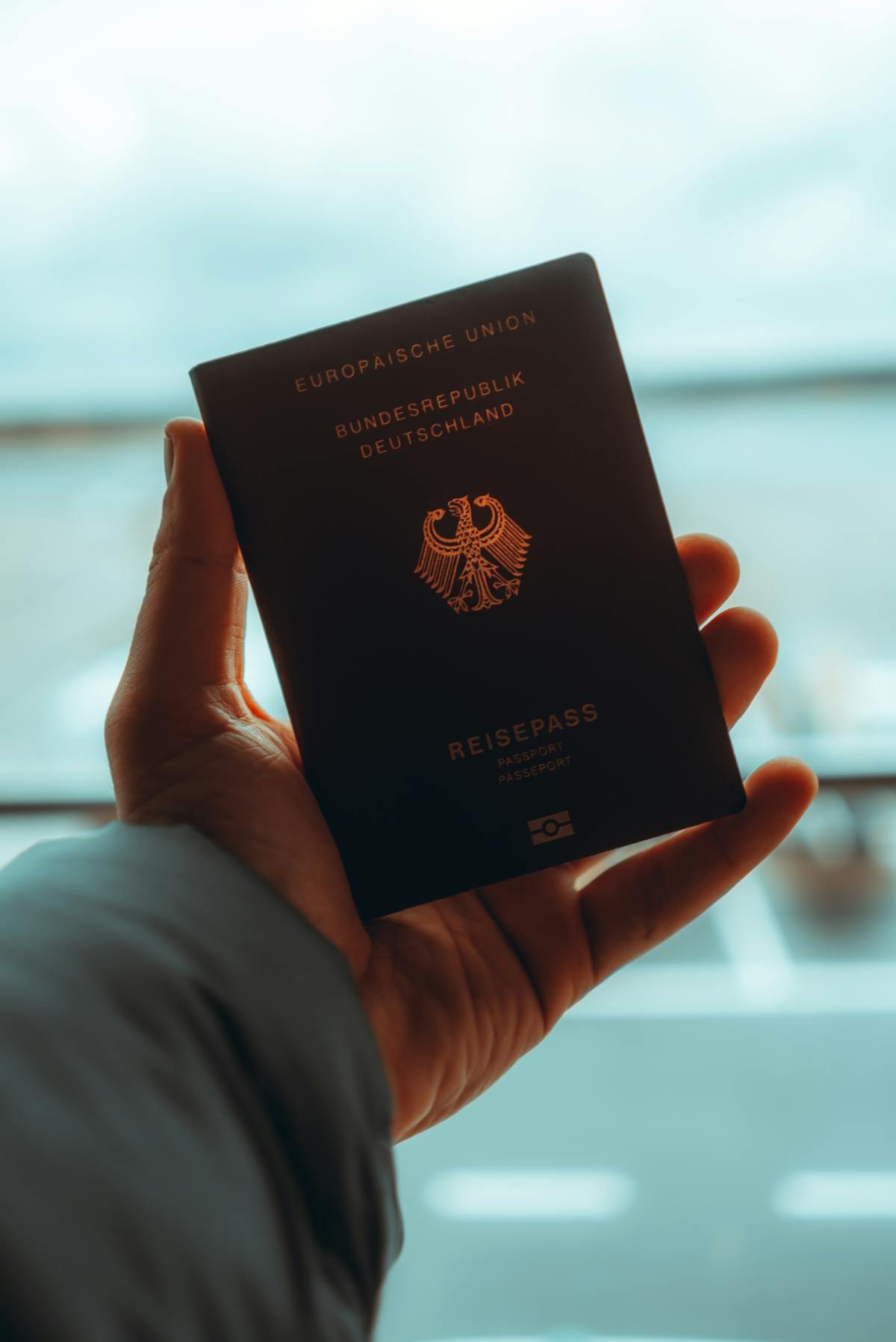
For official guidance and to apply, see gov.uk — Apply for a UK Electronic Travel Authorisation.
For more comprehensive UK ETA information for US travelers, see our official UK ETA guide and detailed comparison resource.
Related Reading
- Cheapest Flights from US to London Summer 2026
- Which London Airport Should You Fly Into?
- Best UK Railcards for Tourists: 2026 Guide
- Best Routes for Day Trips from London
- Scotland Travel Guide for Americans
- Contactless Payments in the UK: Traveler’s Guide
- Money in the UK: Currency, Tipping, and Payment Guide for Americans
- ESTA vs UK ETA: What’s the Difference for American Travelers