What is the weather really like in the UK? For American travelers, British weather is one of the biggest sources of confusion and over-packing. The reality is more nuanced than the stereotypical image of constant rain. The UK has a temperate maritime climate with mild temperatures year-round, but weather can change rapidly within a single day. This guide breaks down UK weather month by month, compares it to familiar US cities, and tells you exactly what to pack for each season.
| UK ETA factor | Detail | Cost / Time 2026 | For US travelers |
|---|---|---|---|
| Application fee | UK Home Office | £20 | ≈ $20 |
| Processing time | Standard online | 3 business days | Apply 5-7 days ahead |
| Validity | Multiple entry | 2 years or passport expiry | Whichever comes first |
| Maximum stay | Per entry | 6 months | Unlimited entries |
| Passport requirements | Biometric US passport | Min. 3 months valid | Check expiry |
Understanding UK weather patterns is essential for planning the best time to visit the UK in 2026 and building your packing list.

UK Weather Month by Month
| Month | Avg High °F | Avg Low °F | Rain Days | Daylight Hours | What to Expect |
|---|---|---|---|---|---|
| January | 45 | 36 | 15 | 8h | Cold, damp, short days. Festive atmosphere fading. |
| February | 46 | 36 | 13 | 9.5h | Still cold, occasional frost. First signs of spring. |
| March | 50 | 38 | 12 | 11.5h | Spring begins. Daffodils blooming. Variable weather. |
| April | 55 | 41 | 12 | 13.5h | Mild but showery. Longer days bring more sunshine. |
| May | 61 | 46 | 11 | 15.5h | Pleasant and increasingly warm. Great for sightseeing. |
| June | 66 | 52 | 10 | 16.5h | Warm with long evenings. Peak tourist season begins. |
| July | 70 | 56 | 10 | 16h | Warmest month. Occasional heat waves reaching 85°F+. |
| August | 69 | 55 | 11 | 14.5h | Warm but days shortening. Bank holiday crowds. |
| September | 64 | 51 | 11 | 12.5h | Early autumn. Pleasant temps, golden light. |
| October | 56 | 45 | 13 | 10.5h | Cooling rapidly. Beautiful autumn foliage. |
| November | 49 | 39 | 14 | 8.5h | Cold and damp. Bonfire Night festivities. |
| December | 45 | 36 | 14 | 7.5h | Cold and dark. Christmas markets and festive lights. |
UK Weather Compared to US Cities
To help American travelers set expectations, here is how London’s climate compares to familiar US cities:
| US City | Similar to UK in… | Key Difference |
|---|---|---|
| Seattle, WA | Rainfall frequency, grey skies | London is actually drier (24 inches vs Seattle’s 37 inches annually) |
| Portland, OR | Green landscapes, mild winters | UK has less extreme summer heat |
| San Francisco, CA | Cool summers, fog, layers needed | UK winters are colder than San Francisco |
| Washington, DC | Spring and autumn temperatures | DC has much hotter, more humid summers |
| Boston, MA | Autumn weather patterns | Boston has colder winters and hotter summers |
Key insight: London actually receives less annual rainfall (around 24 inches) than New York City (50 inches), Miami (62 inches), or Houston (50 inches). The UK’s reputation for rain comes from its frequency of light, drizzly days rather than heavy downpours.
Regional Weather Differences Across the UK
The UK is small but has notable regional weather variation:
- Southeast England (London, Canterbury): Warmest and driest region. Best weather for sightseeing. Summers reach 75 to 85°F.
- Southwest England (Cornwall, Devon, Bath): Milder winters due to Gulf Stream influence. More rain than the southeast, but lush and green. See our Cornwall beach packing guide.
- Northern England (Manchester, York, Lake District): Cooler and wetter than the south. Pack extra layers and rain gear.
- Scotland (Edinburgh, Highlands): Noticeably cooler than England, especially in the Highlands where temperatures can be 10°F lower. More wind and rain. See our Highlands hiking guide and Scotland travel guide.
- Wales: Similar to northwest England. Mountainous areas are significantly wetter and cooler.
What to Pack for UK Weather
Regardless of when you visit, these items are always essential:
- Compact umbrella: Wind-resistant folding style. Full-size umbrellas are impractical for walking
- Waterproof jacket: A lightweight rain jacket is the single most important clothing item for any UK trip
- Layers: Temperatures can swing 15 to 20°F within a single day. Bring removable layers
- Comfortable waterproof shoes: You will walk extensively, often on wet surfaces
- Sunglasses and sunscreen: Yes, even in the UK. Summer UV can be surprisingly strong
For a complete list, see our detailed packing list for a UK trip.
Best Time to Visit the UK by Activity
- General sightseeing: May to June and September offer the best balance of weather, daylight, and crowds
- Hiking and outdoors: May to September. See our Scottish Highlands guide
- Beach holidays: July to August for the warmest coastal weather. See our Cornwall guide
- Christmas markets: Late November to December. See our UK Christmas markets 2026 guide
- Autumn foliage: October. The Cotswolds in fall are spectacular
- Budget travel: January to March and November offer the lowest prices
Read our comprehensive best time to visit the UK in 2026 guide for more detail.
Frequently Asked Questions: UK Weather
Does it really rain all the time in the UK?
No. While the UK has frequent overcast and drizzly days, it actually receives less total rainfall than many major US cities. London averages about 24 inches of rain per year, compared to 50 inches in New York. The key difference is frequency: light showers occur often, but heavy downpours are rare.
How hot does it get in the UK in summer?
Average summer temperatures in London range from 64 to 72°F, but heat waves can push temperatures above 85°F. UK buildings rarely have air conditioning, so heat waves can feel more intense indoors than the temperature suggests.
Is Scotland much colder than England?
Generally yes, especially in the Highlands. Edinburgh averages about 5 to 8°F cooler than London. Highland areas can be 10 to 15°F cooler with significantly more wind and rain. Pack warmer layers for any Scotland portion of your trip.
When is the best weather in the UK?
Late May through mid-July typically offers the best weather, with the longest days and warmest temperatures. September is another excellent month with warm days, fewer tourists, and beautiful early autumn light.
Should I pack differently for London vs. the countryside?
Yes. City trips require comfortable walking shoes and layers. Countryside trips, especially hiking, need waterproof boots, wind-resistant outerwear, and extra warm layers. London is typically a few degrees warmer than rural areas.
Practical UK travel preparation guide for US visitors
For American travelers heading to the United Kingdom, good planning is essential. Direct flights from major US hubs to London Heathrow take 7-9 hours (NYC: 7h, LAX: 11h, ORD: 8h). British Airways, American Airlines, Delta, United, and Virgin Atlantic offer daily direct service from JFK, Newark, LAX, ORD, ATL, IAD, BOS, MIA. Prices vary widely: economy advance booking 2-4 months ahead offers $400-800 round-trip, last-minute can reach $1,500+. Premium economy adds $500-800 for more comfort on long flights. Direct flights to Manchester, Edinburgh, Glasgow are also available from major hubs.
UK ETA is mandatory for all US citizens since April 2, 2025 — regardless of stay duration. Apply via gov.uk or the official UK ETA app, pay £20 (≈$25), and expect approval within 24-48 hours in 95% of cases. Ensure your passport is valid at least 3 months beyond your planned return date — UK ETA is linked to the passport number and becomes automatically invalid if you renew your passport. Keep approval email digital and on paper as backup.
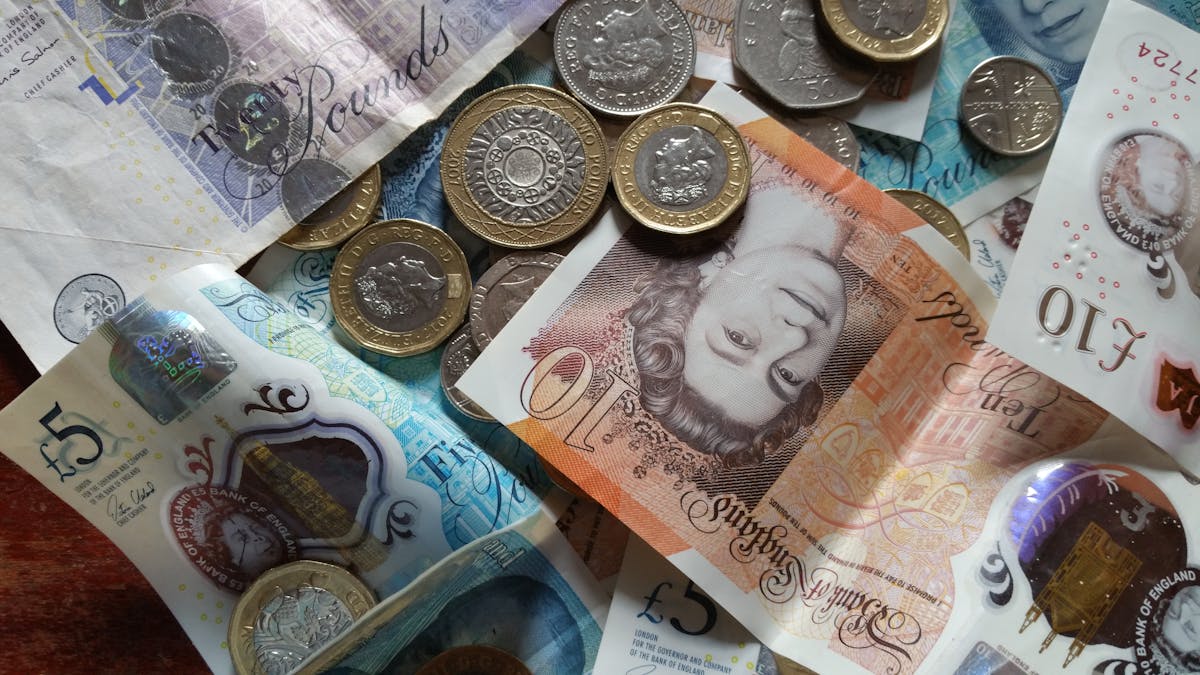
For local transport in the UK, use contactless payment with a Visa/Mastercard (no foreign transaction fees if your card supports it). London Underground, buses, DLR, and suburban trains accept all these methods with daily price capping (£8.50 for zones 1-2). For longer journeys, the Trainline app is the best platform — Advanced fares booked 12 weeks ahead are 50-70% cheaper than walk-up tickets. Britain has a privatized rail system, so prices vary between operators (Avanti West Coast, GWR, LNER).
British culture and etiquette for American visitors
British politeness is legendary and may differ from American directness. “Sorry”, “Please” and “Thank you” are used constantly — even without obvious reason. Expect “How are you?” to be a politeness phrase, not a serious question — answer simply with “Fine thanks, you?” British humor is dry and ironic, often self-deprecating. Tipping is appreciated but not at US levels — 10-12.5% in restaurants is standard (often included as “service charge” automatically). At pubs, you order at the bar and pay immediately — no tipping needed. Queues are sacred — pushing past someone is the worst social faux pas in UK.
For American families visiting UK, there are abundant cultural experiences. London offers British Museum, National Gallery, and Tate Modern — all free. Tower of London costs £33.60 per adult (children 5-15 years £16.80). Buckingham Palace opens for visits August-September for £30. Harry Potter Studio Tour in Watford is wildly popular ($65/adult); book 8-10 weeks ahead. For West End musicals, book through TodayTix app for the best last-minute prices. Pub culture is central to British social life — traditional pubs serve food 12:00-14:00 and 18:00-21:00.
FAQ for American UK travelers
How long does the UK ETA application take?
Standard processing time is 3 business days online. In 95% of cases American applicants receive approval within 24-48 hours. Apply at least 5-7 days before departure — Home Office may in rare cases request additional documentation, extending the process to 5-10 business days. Filling out the form itself takes only 10 minutes when you have your passport, credit card, and travel info ready.
What does UK ETA cost in 2026?
UK ETA costs £20 (approximately $25) per person from April 8, 2026. There are no extra fees if you apply directly via gov.uk or the official UK ETA app. Beware of third-party websites that charge “service fees” up to £80 — these are not necessary and explicitly discouraged by UK Home Office. Use Visa or Mastercard for payment.
How does UK ETA differ from US ESTA?
UK ETA and US ESTA are similar concepts — both are electronic pre-screening for visa-exempt travel. UK ETA costs £20 vs US ESTA at $21. UK ETA is valid for 2 years vs ESTA 2 years (recently changed from 2). Both authorize multiple entries with stay limits — UK 6 months per entry, ESTA 90 days per entry. Apply directly via official government portal — never third-party services.
How much should I budget for a week in UK?
For a week-long UK trip from US: flight $400-800 round-trip (advance booking), hotel $100-200 per night, food $50-80 per day, local transport $20-40 per day, attractions $30-60 per day. Daily budget: $200-380 per person plus one-time UK ETA $20. London is most expensive — Manchester, Edinburgh, Liverpool 25-35% cheaper. Total realistic week-long budget: $1,500-2,800 per person.
How many times can I travel with the same ETA?
UK ETA is a multiple-entry permission valid for 2 years (or until your passport expires, whichever comes first). You can travel in and out as often as you wish during the validity period, with up to 6 months stay per entry. This means you can use the same ETA for weekend trips, summer vacations, and business travel without applying again.
Do I need ETIAS too if visiting Europe after UK?
Yes, if you plan to visit any of 30 European countries (EU + Schengen-associated states), you will need ETIAS as well, launching late 2026. ETIAS costs €7 and is valid 3 years. UK ETA only covers UK (England, Scotland, Wales, Northern Ireland). Both pre-screening systems are required for Americans crossing both jurisdictions — neither replaces the other.