Understanding ETA transit Americans matters for any American routing through London on the way elsewhere. Furthermore, the UK ETA launched for American citizens on January 8, 2025 and now applies to many — but not all — layovers at Heathrow, Gatwick, and other UK airports. However, the distinction between “airside” and “landside” transit determines whether you need the £20 authorization or not. Consequently, this guide breaks down every transit scenario Americans typically encounter, from simple Heathrow Terminal 5 connections to landside baggage transfers at Gatwick. For the basic UK ETA process, start with our UK ETA guide for US citizens.
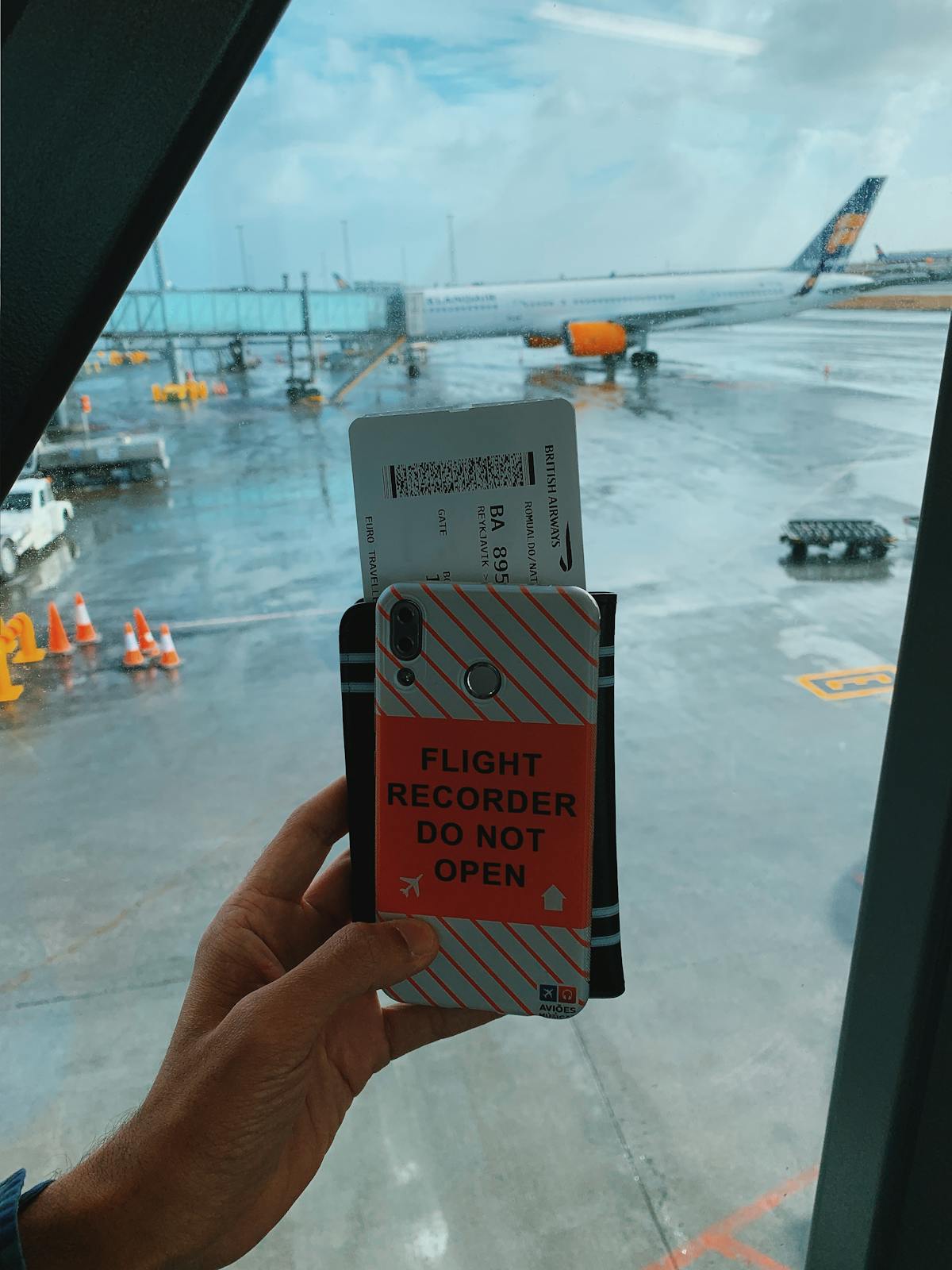
What the ETA transit Americans Rules Actually Cover
The official ETA transit Americans framework distinguishes between two types of transit. Specifically, an “airside” transit means you stay within the secure area of the airport between flights without passing through immigration. In contrast, a “landside” transit means you exit immigration (typically because you need to collect checked baggage, change terminals that aren’t connected airside, or change airports). Moreover, the Home Office says the airside exemption is temporary and kept under review, so check the rules again shortly before you fly. Therefore, reading your flight documents carefully matters. For the airside exemption in detail, see our UK ETA airside transit guide.
Airside Transit: When ETA Is NOT Required
Airside transit does NOT require the UK ETA for Americans. Specifically, if you connect at Heathrow Terminal 2, Terminal 3, Terminal 4, or Terminal 5 and stay within the secure zone, no ETA is needed. Gatwick is different: when you arrive there for a connecting flight, you must pass through UK border control, so you need an ETA. However, not all combinations allow airside-only transit. If your connection involves a terminal change, follow the connection signs and ask your airline if you are unsure: as long as you do not pass UK border control, the airside exemption applies. Consequently, airline booking engines mark truly airside itineraries with an “airside transit” note. For a comparison of the two main airports, see Heathrow vs Gatwick.

Landside Transit: When ETA IS Required
Landside transit DOES require the UK ETA for Americans. Specifically, any connection where you collect checked baggage and re-check it (common with low-cost carriers and mixed-alliance bookings) counts as landside. Moreover, transits where you must change airports — Heathrow to Gatwick, for instance — are always landside. In addition, if your booking contains two separately ticketed flights (not on a single confirmation number), expect to collect baggage and re-check, which forces landside transit. Therefore, if you buy two separate tickets, make sure you have an ETA before you fly. If an ETA is refused before a connection, see our UK ETA connecting flight guide.
Heathrow-Specific Rules by Terminal
Heathrow’s terminals handle different airline alliances. Specifically, Terminal 5 serves British Airways and Iberia (Oneworld). Terminal 2 serves Star Alliance carriers including United, Air Canada, and Lufthansa. Terminal 3 serves Delta, Virgin, American Airlines, and other Oneworld/SkyTeam partners. Terminal 4 serves Etihad, KLM, Malaysia, and other mixed carriers. Furthermore, connections between some terminals take time, so allow a generous connection. Consequently, minimum connection times often exceed 90 minutes even for alliance partners. See which London airport to fly into.
Gatwick, Stansted, and Regional Airports
Gatwick has two terminals — North and South — linked by a free inter-terminal shuttle, but anyone connecting between flights at Gatwick passes through UK border control and needs an ETA. In addition, Stansted’s single terminal simplifies layovers but serves almost exclusively low-cost carriers (Ryanair, easyJet, Jet2). Consequently, Stansted connections frequently involve separate tickets and baggage re-checks, which forces landside transit and triggers the UK ETA requirement. Moreover, Luton and Birmingham carry similar low-cost-heavy traffic and usually require the UK ETA for American transits. Manchester is one of the two airports the Home Office names for the airside exemption, but only if you never pass UK border control.
Common Layover Scenarios for Americans
Common American transit scenarios: (1) JFK → LHR → CDG on a single British Airways/American Airlines booking — airside, no ETA needed. (2) ORD → LHR → CPT on British Airways — airside, no ETA. (3) BOS → LGW → BCN on Norse Atlantic + Vueling (separate tickets) — landside, UK ETA required. (4) LAX → LHR → DUB on Aer Lingus — check with your airline whether you will pass UK border control; if you do, you need an ETA. Therefore, carefully check whether your connection is a single booking or two tickets. Before you book, check our list of common UK ETA mistakes.
| Scenario | Type | ETA Required? |
|---|---|---|
| JFK → LHR → CDG (single ticket, BA) | Airside | No |
| ORD → LHR → CPT (single ticket, BA) | Airside | No |
| BOS → LGW → BCN (two tickets) | Landside | Yes (£20) |
| LAX → LHR, exit for a day then fly out | Landside | Yes (£20) |
| Heathrow → Gatwick airport change | Landside | Yes (£20) |
| LHR airside T5 → T3 single ticket | Airside | No |
What Happens at Border Control
At the UK border, officers see your ETA electronically linked to your passport. Moreover, US citizens with a biometric passport and an ETA can use the eGates, which GOV.UK says typically take just minutes. The EU’s Entry/Exit System (EES), fully running since 10 April 2026, does not apply at the UK border — it only matters if you continue to the Schengen area. In addition, landside transit passengers queue in the same immigration lanes as standard visitors; there is no separate “transit-only” lane at UK airports. For general customs guidance, see our UK customs guide.

Mistakes That Cause Boarding Denials
Three mistakes account for most ETA transit Americans boarding denials. First, assuming a two-ticket itinerary is still airside — airlines treat each ticket separately for baggage and immigration purposes. Second, applying for the ETA but using a different passport at check-in — the ETA binds to the specific passport number you provided. Third, treating the ETA as valid for only one entry — it actually allows multiple UK entries over two years, so you don’t need to reapply for each layover. Consequently, one ETA application covers a surprising amount of repeat UK transit. For the documents you need in transit, see our UK ETA transit documents guide.

Frequently Asked Questions
Do I need a UK ETA if I never leave the airport?
Not if you stay airside and never pass UK border control — the Home Office names Heathrow and Manchester, and the exemption is temporary. At Gatwick all connecting passengers pass border control, so you need an ETA there.
What qualifies as airside transit?
Single-ticket itineraries where you stay within the secure zone at the same airport and never re-check bags or go through immigration. The Home Office names Heathrow and Manchester; at Gatwick, connecting passengers pass border control.
When does landside transit apply?
Whenever you collect and re-check baggage, switch airports, hold two separately ticketed flights, or connect at Gatwick. All landside transit requires the £20 UK ETA.
Can I use one UK ETA for multiple transits?
Yes. The ETA is valid for up to two years or until passport expiry. It allows multiple UK entries during that window.
Does the ETA appear in my passport?
No. The ETA is electronic and linked to your passport number in the Home Office system. Carry the confirmation email just in case.
What happens if I lack an ETA at a landside transit?
The airline can deny boarding at the U.S. departure airport. Even if boarded, UK border officers would refuse entry.
Does Dublin transit require a UK ETA?
Not if Dublin is just your stop on the way elsewhere — the UK ETA does not cover Ireland. But if you fly on from Dublin to the UK, you need an ETA: the requirement applies on every route into the UK, including via the Common Travel Area.
Nailing ETA transit Americans down before booking saves stress and money. Moreover, the single-vs-double ticket distinction determines everything — check it before clicking “buy” on any transatlantic itinerary with a London stop. For the full application walkthrough, continue to our complete UK ETA guide for US citizens.
Expert Insights for ETA transit Americans Travelers
Seasoned travel planners emphasize three practical points when advising Americans about ETA transit Americans. First, preparation density matters more than itinerary length — spending 90 minutes on specifics saves 9 hours during the trip. Furthermore, since 25 February 2026 the ETA rule has been strictly enforced: airlines refuse boarding to visitors who need an ETA and do not have one. Moreover, the April 8, 2026 £20 fee increase means every family of four now spends £80 on authorizations that previously cost £64 — a noticeable budget shift for cost-sensitive travelers. Therefore, the smartest first move remains scheduling the ETA application and the travel insurance purchase on the same day, two to three weeks ahead of departure. For ongoing official updates, the authoritative source is gov.uk, while VisitBritain provides practical tourism context. Consequently, check both again in the weeks before your trip.
American travelers should know that airlines check your ETA against the passport you travel on. Specifically, the name, date of birth and passport number on your ETA must match your passport exactly, because airlines check your ETA against the passport you travel on. Indeed, airlines check your permission to travel automatically against Home Office records before you board. Therefore, before any transatlantic trip, pull up your passport and your ETA email side by side and verify each field, character by character. This quick check prevents an avoidable problem at check-in.
If you route via Dublin, note that the US preclearance there is only for flights to the United States; it has nothing to do with entering the UK. Flying on from Dublin to the UK, you still need an ETA unless you legally live in Ireland.
Key Takeaways and Next Steps
The single most valuable shift for Americans preparing for ETA transit Americans is moving the ETA, insurance, and currency setup from the “week-before” column to the “month-before” column. Furthermore, treating the UK ETA like a boarding pass — printed, saved offline, and double-checked against the passport — eliminates most last-mile risks. In addition, building the rest of the trip plan around three anchor days (arrival, main sightseeing block, departure) clarifies which decisions actually matter. Consequently, the remaining decisions — specific restaurants, minor transport choices, souvenir purchases — can be made day-of without stress. Moreover, a 15-minute review the night before departure confirms everything still aligns.
If your trip also includes Schengen countries, remember the EU Entry/Exit System (EES), fully running since 10 April 2026: it records your fingerprints and photo when you first enter the Schengen area. It does not apply at the UK border. Specifically, any onward transit through Paris, Amsterdam, or Frankfurt after a UK stay triggers EES at that next European arrival. Therefore, a practical 2026 travel kit for Americans has four parts: a passport valid for your whole stay, a UK ETA (£20), travel insurance and, if you continue to the Schengen area, readiness for EES registration there (no advance application needed). Indeed, preparation never gets shorter than these four items. For the wider trip plan, continue to our UK trip planning guide.