A Scotland road trip is one of the most rewarding trips an American can add to a UK visit. Furthermore, the 400-mile drive from London to Edinburgh — followed by another 150 miles into the Highlands — delivers castles, lochs, and single-track roads that photograph better than any tour can promise. However, the logistics differ sharply from the American road-trip playbook: fuel is pricier, accommodations book out months ahead, and weather shifts hourly. Consequently, this guide covers the exact itinerary, driving strategy, and seasonal realities Americans need for 2026. For UK ETA background, start with uk transportation 2026 prices options.
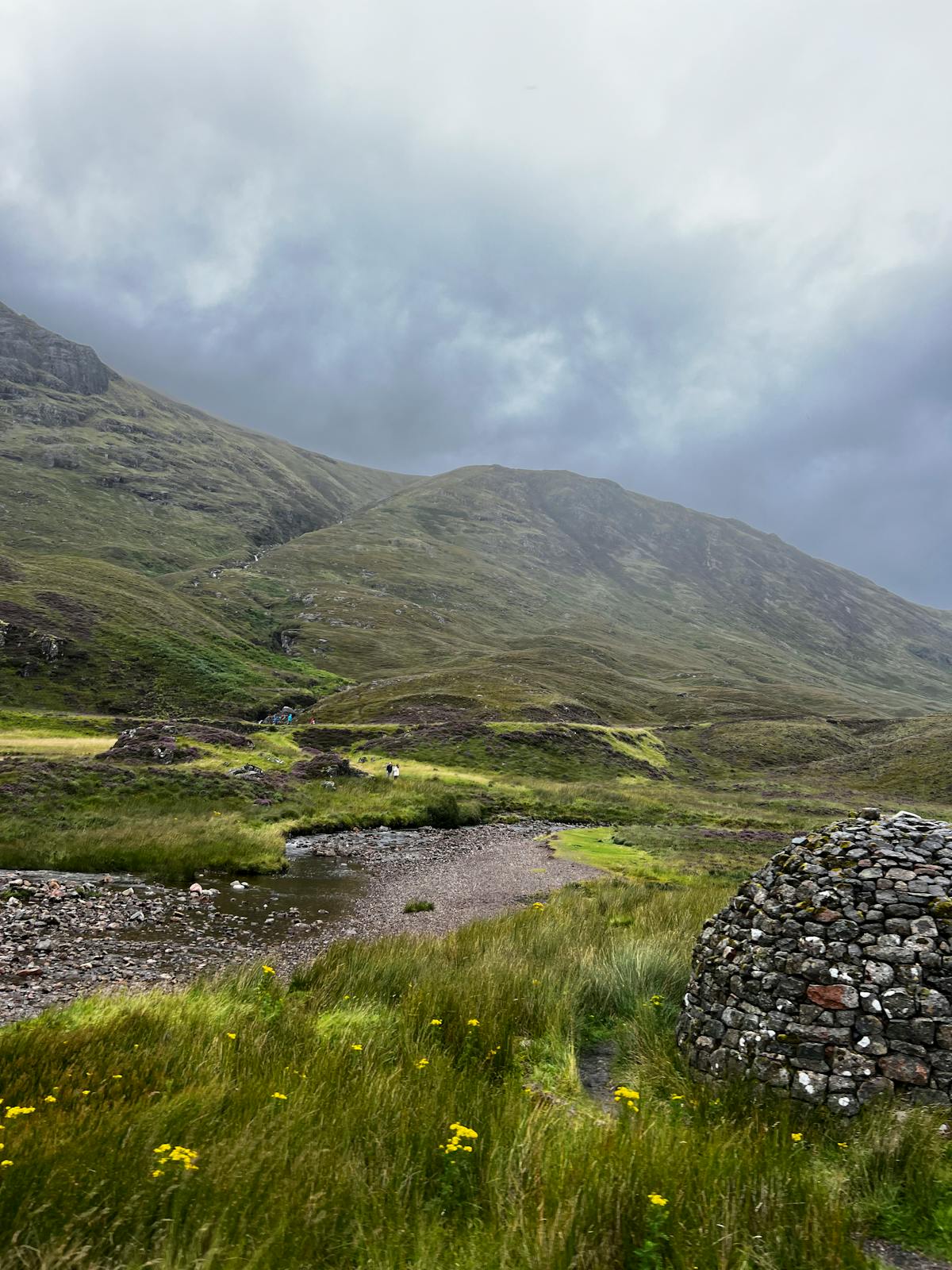
Planning a Scotland road trip: Overview
The most popular Scotland road trip lasts 7–10 days, covers 1,100–1,400 total miles, and anchors in Edinburgh for two nights before heading north. Specifically, the Scottish Highlands begin roughly 45 miles north of Edinburgh and extend to the far north coast at John o’ Groats. Moreover, Scotland offers fewer motorways than England; expect 45–55 mph average speeds once you leave the M74. Therefore, American drivers accustomed to 70 mph interstates should mentally recalibrate. For a full UK itinerary framework, see family enjoying uk christmas market in evening lights.
Driving vs Train: Which Route Wins
Driving wins for flexibility; trains win for relaxation. Specifically, the East Coast Main Line from London King’s Cross to Edinburgh takes 4 hours 20 minutes — shorter than the 7-hour drive. In contrast, once in the Highlands, trains reach only a handful of towns (Fort William, Mallaig, Inverness, Kyle of Lochalsh). Consequently, hybrid plans work best: train to Edinburgh, then rent a car for the Highland portion. Furthermore, major rental chains in Edinburgh — Enterprise, Hertz, Europcar — offer one-way drop-off at Inverness for £45–£75 extra, which saves backtracking on the return. For detailed transport comparisons, see family at uk christmas market with festive lights 25.
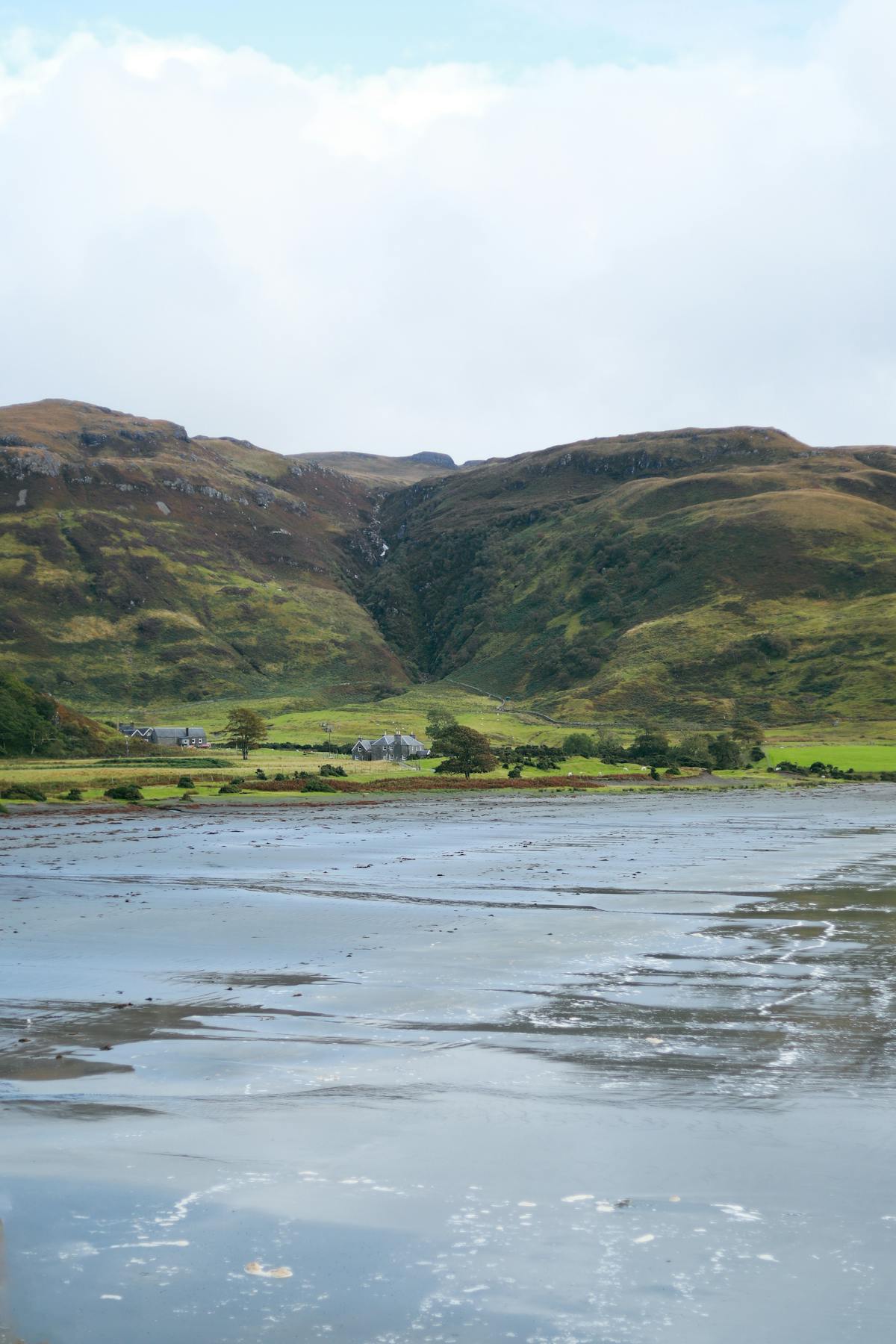
Suggested 7-Day Itinerary
Day 1 — London to Edinburgh (6–7 hours drive or 4h 20m train). Day 2 — Edinburgh Castle, Royal Mile, Arthur’s Seat. Day 3 — drive to Loch Lomond, then Glencoe. Day 4 — Glencoe to Fort William and the Jacobite steam train (the Harry Potter viaduct). Day 5 — Isle of Skye from Fort William via the Kylerhea ferry. Day 6 — return via Loch Ness and Inverness, with a distillery stop near Pitlochry. Day 7 — return leg to Edinburgh or straight to London via the M6. Moreover, this loop keeps daily driving under 4 hours, which matters in Highland weather. For day-trip planning context, see london winter sales shopping tips.
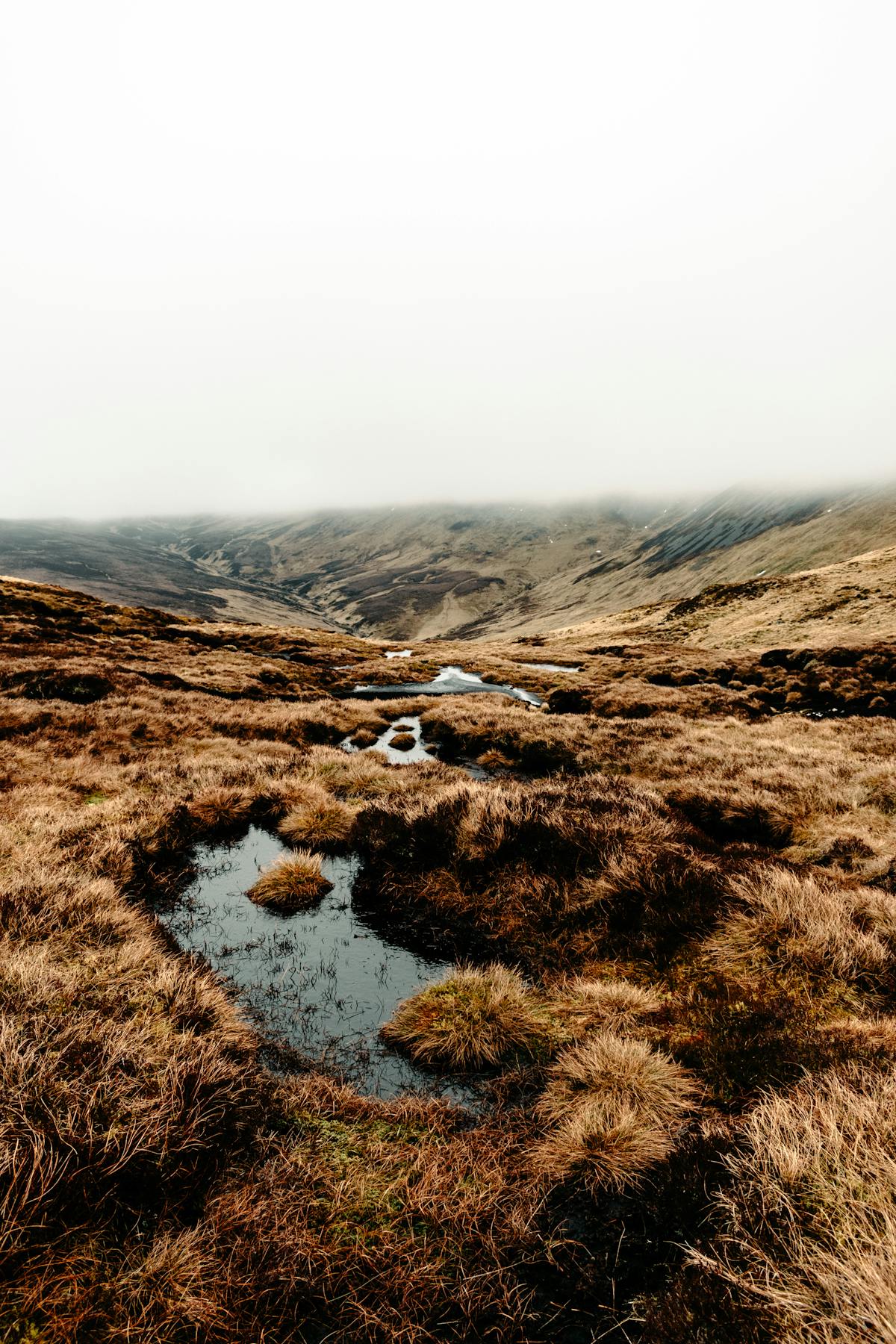
Highland Roads You Cannot Skip
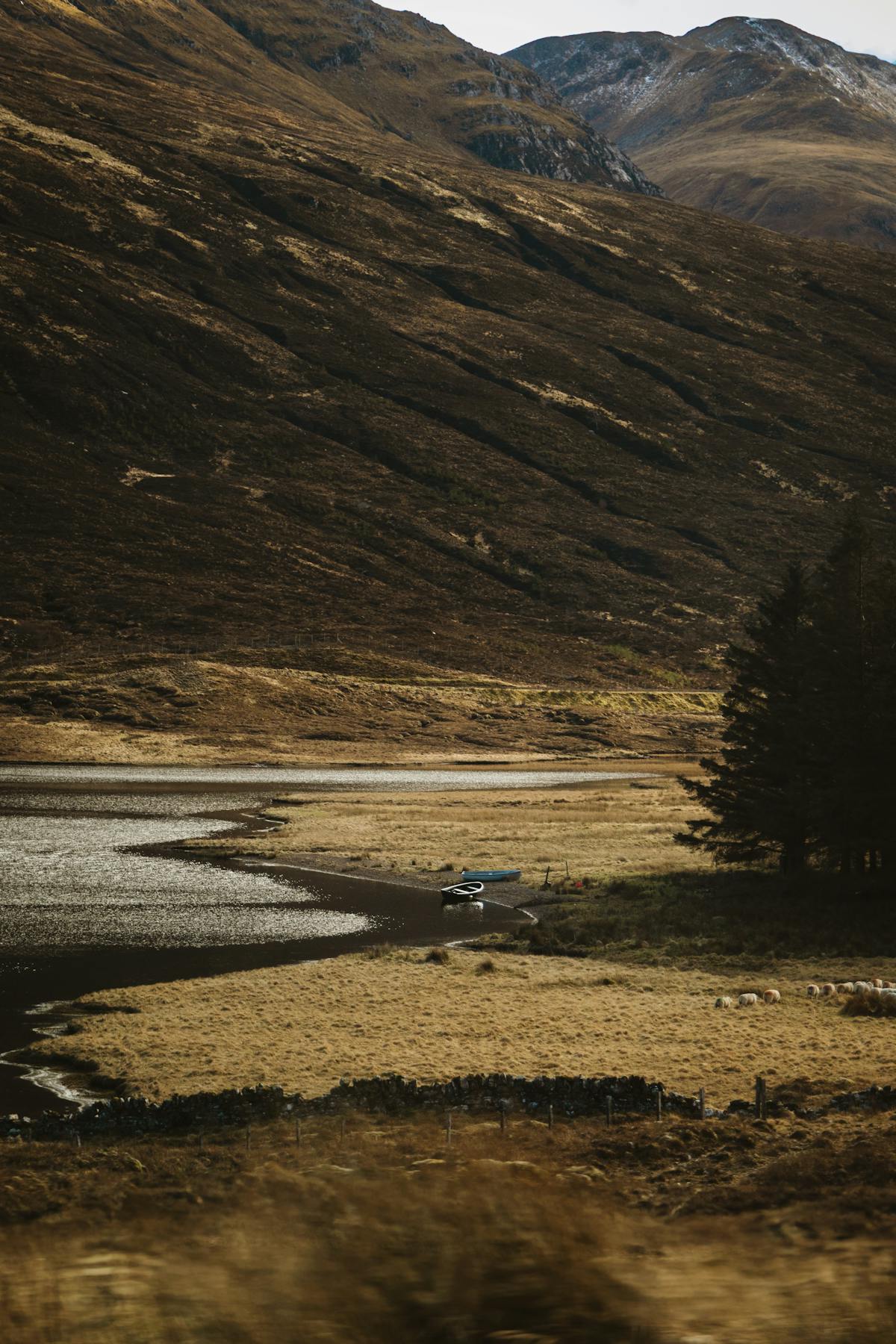
The A82 from Glasgow through Loch Lomond and Glencoe offers the most dramatic 90-mile stretch in the British Isles. In addition, the A890 through Kintail and to the Isle of Skye competes for first place. Furthermore, the North Coast 500 (NC500) loops from Inverness for 516 miles and usually takes 5–7 days on its own. However, NC500 popularity now causes summer traffic jams on single-track roads — July 2025 saw queues of 40+ cars at popular passing places. Consequently, early June or late September delivers the same scenery with far fewer vehicles. For timing details, see 10 day scotland road trip itinerary.
| Road | Length | Best Season | Typical Traffic |
|---|---|---|---|
| A82 (Glasgow–Fort William) | 110 miles | Year-round | Moderate in summer |
| NC500 full loop | 516 miles | May / September | Heavy July–August |
| A87 (Skye Bridge) | 60 miles | May–October | Moderate |
| Cairngorms A939 | 71 miles | Summer | Light |
| A9 (Perth–Inverness) | 115 miles | Year-round | Heavy at rush hour |
Where to Sleep: Castles, Inns, and Bothies
Highland lodging spans three tiers. Specifically, castles like Inverlochy Castle near Fort William run £480–£800 per night with full dining. In contrast, traditional inns (Kingshouse Hotel in Glencoe, Cluanie Inn near Skye) charge £150–£260. Moreover, bothies — small, free mountain shelters run by the Mountain Bothies Association — offer a raw Scottish experience for zero cost. Therefore, many road-trippers mix one castle night with two bothy nights for balance. For UK accommodation strategy, see us family at uk christmas market holiday travel 2026.
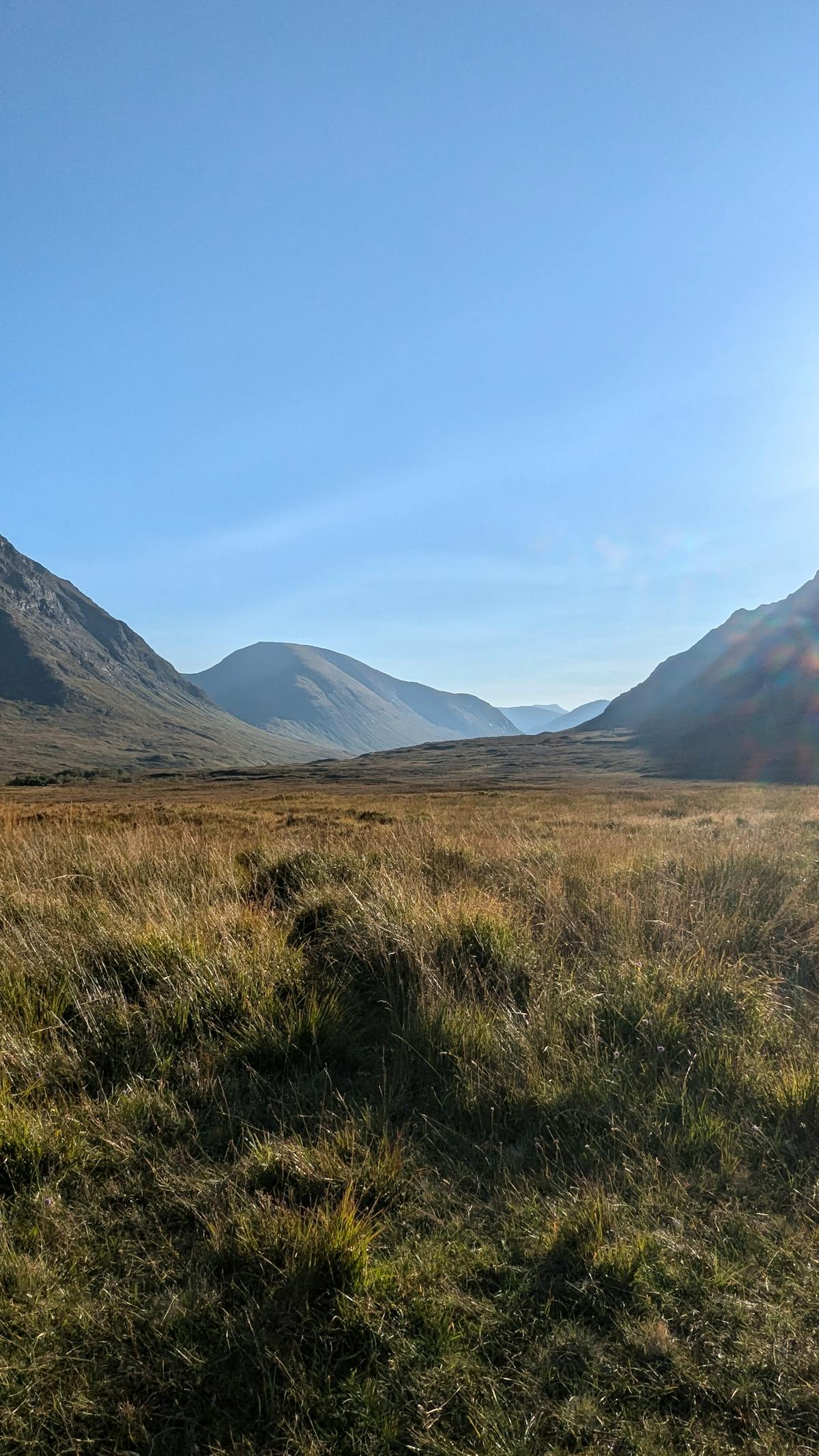
Fuel, Weather, and Seasonal Traps
Scotland runs 8–15°C cooler than London year-round. In addition, midges (tiny biting flies) swarm the west coast from mid-June to mid-September, especially near still water. Furthermore, fuel stations beyond Fort William close at 21:00 and some skip Sundays; always refuel at every other stop. Consequently, plan fuel breaks at Glencoe, Fort William, and Portree to avoid stress. For season-specific packing, see family at uk christmas market under festive lights 38.
Booking, Permits, and the UK ETA
Every American driver heading into Scotland still needs the UK ETA (£20 as of April 9, 2026). Moreover, the UK ETA covers England, Scotland, Wales, and Northern Ireland equally — no separate permit is required for Scotland. However, certain Highland trails (Ben Nevis summit, Schiehallion) need no permit but benefit from proper gear and weather monitoring. In addition, Americans renting vehicles should confirm with the rental company that the booking allows travel to Scotland, particularly for luxury marques. For a broader entry-permits overview, continue to uk christmas markets 2026 guide.
Food and Whisky Worth the Detour
Scottish food travels well beyond haggis stereotypes. Specifically, Loch Fyne oysters, Cullen skink (smoked-haddock soup), and venison from Rannoch Moor define regional menus. Furthermore, distillery visits at Dalwhinnie, Glenlivet, and Talisker run £20–£35 per tour with tastings included. Moreover, Americans tracking whisky should pre-book tours — Dalwhinnie slots go 8 weeks ahead in July. Therefore, building three distillery stops into your Highland route maximizes value without turning the trip into a pub crawl. For detailed UK food-scene context, see family enjoys uk christmas market lights in 2026.
Frequently Asked Questions
How long does a London to Scotland road trip take?
A comfortable loop runs 7 days minimum (2 in Edinburgh, 4 in the Highlands, 1 return). Add 2–3 days for a full NC500 loop.
Do I need a separate permit for Scotland beyond the UK ETA?
No. The £20 UK ETA covers all four UK nations — England, Scotland, Wales, and Northern Ireland.
Is driving in the Highlands difficult for Americans?
The left-side rules are the same as in England. However, single-track roads with passing places require new etiquette — slow to a crawl and wave others past.
When is the best month for a Scotland road trip?
Late May to early June and all of September offer long daylight, mild weather, and fewer midges. July and August peak both beauty and traffic.
Are distillery visits worth the time?
Yes, if you like whisky even casually. Tours cost £20–£35 and include tastings. Designated drivers can take samples home in gift bottles.
Is the NC500 suitable as a beginner route?
No. The North Coast 500 is best for experienced drivers comfortable with single-track roads and 5+ hours of daily driving.
Can I rent a car in Edinburgh one-way to Inverness?
Yes. Enterprise, Hertz, and Europcar all offer one-way drop-off for £45–£75 extra fee in summer 2026.
Pulling off a memorable Scotland road trip takes early booking, route realism, and respect for Highland weather. Ultimately, the reward — lochs, castles, single-track glens — rewards every mile. Consequently, secure your UK ETA, pick your travel window, and pre-book castle or inn nights at least 10 weeks out. For broader trip guidance, see london underground guide americans.
Expert Insights for Scotland road trip Travelers
Seasoned travel planners emphasize three practical points when advising Americans about Scotland road trip. First, preparation density matters more than itinerary length — spending 90 minutes on specifics saves 9 hours during the trip. Furthermore, the Home Office published a March 2026 update clarifying which transit scenarios require the ETA, closing a gap that confused travelers through 2025. Moreover, the April 9, 2026 £20 fee increase means every family of four now spends £80 on authorizations that previously cost £64 — a noticeable budget shift for cost-sensitive travelers. Therefore, the smartest first move remains scheduling the ETA application and the travel insurance purchase on the same day, two to three weeks ahead of departure. For ongoing official updates, the authoritative source is gov.uk, while VisitBritain provides practical tourism context. Consequently, bookmarking both and skimming once a week in the two months before your trip handles 95% of news-driven changes.
American travelers specifically benefit from knowing that UK policy tightened around authenticity of documents in March 2026. Specifically, biometric passport data must match the name, date-of-birth, and passport number on your ETA exactly — middle initials, Jr./Sr., and name-change mismatches have caused boarding denials at IAD, JFK, and LAX. Indeed, airline check-in systems perform the match automatically, and a minor discrepancy triggers manual review that adds 20–40 minutes. However, a successful match takes under three seconds and moves you straight to the TSA line. Therefore, before any transatlantic trip, pull up your passport and your ETA email side by side and verify each field, character by character. This extra 60 seconds of verification heads off the single most common transatlantic boarding delay in 2026.
Data from 2025 border statistics shows that 2.4% of Americans arriving at Heathrow experienced secondary inspection, most often because of incomplete hotel booking details on the ETA application. Furthermore, the ETA asks for a planned address in the UK, and “staying with a friend” without a specific postcode raises flags. Consequently, enter a specific hotel or Airbnb address — even if you plan to change it later, you can update travel plans as long as the passport remains the same. Moreover, pre-clearance at Dublin Airport (for certain itineraries via Aer Lingus) avoids UK border checks entirely, a lesser-known optimization for Americans routing to London from the U.S. West Coast. Ultimately, layering these small optimizations cuts arrival friction by hours.
Key Takeaways and Next Steps
The single most valuable shift for Americans preparing for Scotland road trip is moving the ETA, insurance, and currency setup from the “week-before” column to the “month-before” column. Furthermore, treating the UK ETA like a boarding pass — printed, saved offline, and double-checked against the passport — eliminates most last-mile risks. In addition, building the rest of the trip plan around three anchor days (arrival, main sightseeing block, departure) clarifies which decisions actually matter. Consequently, the remaining decisions — specific restaurants, minor transport choices, souvenir purchases — can be made day-of without stress. Moreover, a 15-minute review the night before departure confirms everything still aligns.
Looking further ahead, Americans visiting the UK after October 2026 should also prepare for the Entry/Exit System (EES) biometric capture on EU borders, which applies even if you do not plan to visit the Schengen area on the same trip. Specifically, any onward transit through Paris, Amsterdam, or Frankfurt after a UK stay triggers EES at that next European arrival. Therefore, a full “2026 American travel kit” now consists of four elements: passport valid 6+ months, UK ETA (£20), travel insurance, and EES readiness (which requires no advance application but does add 90 seconds to the first EU arrival). Indeed, preparation never gets shorter than these four items. For the most comprehensive planning resource, continue to travelodge vs premier inn families.