The Complete Guide to Driving in the UK for Americans in 2025
Picture this: you’ve just landed at Heathrow, picked up your rental car, and suddenly realize you need to drive on the left side of the road while sitting on the right side of the car. For most American travelers, driving in the UK for Americans presents one of the biggest challenges of visiting Britain. However, with proper preparation and understanding of British road rules, navigating UK roads becomes manageable and even enjoyable.
Thousands of US families successfully drive through England, Scotland, and Wales each year. Moreover, many discover that driving offers unparalleled freedom to explore charming villages, historic castles, and scenic countryside that public transportation simply cannot reach. This comprehensive guide will transform your anxiety about British roads into confidence behind the wheel.
From obtaining the correct driving permits to mastering roundabouts, we’ll cover everything you need for safe and stress-free motoring. Additionally, you’ll learn insider tips that can save you money, time, and potential traffic violations during your UK adventure.
Essential Preparations Before You Drive in Britain
Success with driving in the UK for Americans begins long before you step foot in Britain. Proper preparation eliminates most common problems American tourists encounter on UK roads. Furthermore, understanding the legal requirements prevents costly mistakes that could ruin your vacation.
Start planning your driving arrangements at least 30 days before departure. In particular, certain documents require processing time, and rental car availability fluctuates seasonally. Smart preparation also allows you to research your routes and familiarize yourself with British road signs.
International Driving Permits and License Requirements
American visitors need an International Driving Permit (IDP) alongside their valid US driver’s license to legally drive in the UK. The IDP serves as an official translation of your American license and must be obtained before traveling. According to official UK government guidance, visitors can drive for up to one year with proper documentation.
Apply for your IDP through AAA or the National Automobile Club in the United States. The process typically takes 2-3 weeks, so don’t wait until the last minute. Additionally, ensure your US driver’s license remains valid throughout your entire UK visit, as an expired license invalidates your IDP.

Keep both documents with you while driving, along with your passport for identification. Police officers and rental agencies regularly check these requirements. Therefore, storing copies in separate locations protects against loss or theft during your travels.
Car Rental Tips for American Tourists
Choose your rental car carefully, as vehicle size dramatically affects your driving experience in Britain. UK roads are generally narrower than American highways, and parking spaces are significantly smaller. For this reason, compact and economy cars prove most practical for first-time visitors.
Manual transmission vehicles are standard in the UK, while automatics cost considerably more. However, learning left-side driving while managing a stick shift creates unnecessary complications. Consequently, most driving experts recommend paying extra for an automatic transmission, especially for family trips.
- Book automatic transmission vehicles well in advance
- Consider comprehensive insurance coverage for peace of mind
- Request a GPS navigation system or verify your phone’s international data plan
- Inspect the vehicle thoroughly and document any existing damage
Many rental companies offer brief orientation sessions for American customers. Take advantage of these services, as they often include practical tips specific to your destination region. Furthermore, ask about 24-hour emergency contact numbers in case you encounter problems during your trip.
Mastering Left-Side Driving: Key Techniques for US Drivers
The transition to left-side driving challenges even experienced American motorists, but specific techniques make the adjustment smoother. Most importantly, remember that driving in the UK for Americans requires mental recalibration of spatial awareness and muscle memory. Nevertheless, thousands of US travelers master these skills within their first day of British motoring.
Start with short, familiar routes when possible, such as driving from your hotel to nearby attractions. This approach builds confidence gradually while allowing you to focus on the fundamentals. Additionally, avoid rushing during your first few drives, as stress often leads to reverting to American driving patterns.
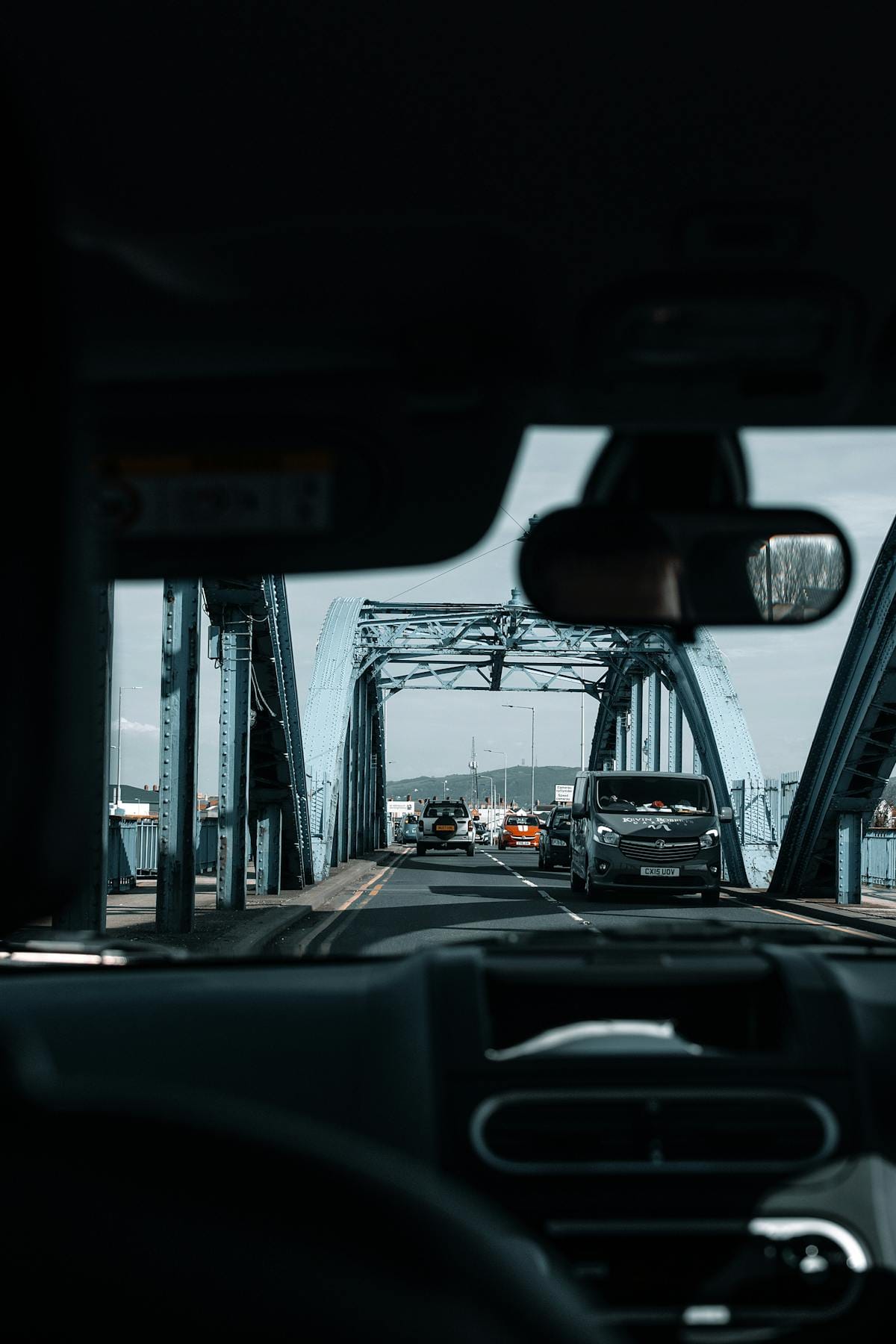
The key mental shift involves repositioning yourself relative to the road. In contrast to American driving, you’ll sit closer to the center line and farther from the left curb. Practice visualizing this new perspective before getting behind the wheel, and frequently check your mirrors to maintain proper positioning.
Roundabouts, Motorways, and Country Roads
British roundabouts operate clockwise, opposite to the rare American roundabouts you might encounter. Enter the roundabout when traffic allows, yielding to vehicles already circulating from your right. Most importantly, signal your exit intention and position yourself in the appropriate lane before entering.
Motorways (equivalent to American interstates) follow the “keep left” rule strictly. The left lane serves as the primary travel lane, while right lanes are for overtaking only. After passing, return to the left lane promptly, as “lane hogging” can result in traffic violations.
- Approach roundabouts slowly and observe traffic flow patterns
- Use left lanes for motorway travel and right lanes for passing
- Allow extra space on narrow country roads for oncoming traffic
- Pull into designated passing places when necessary on single-track roads
Country roads present unique challenges with their narrow widths and high hedgerows that limit visibility. Drive slower than you would on similar American roads, and be prepared to reverse to wider sections when meeting oncoming vehicles. Above all, patience and courtesy are essential for navigating these picturesque but challenging routes.
Common Mistakes Americans Make (And How to Avoid Them)
The most frequent error involves turning into the wrong lane after intersections or when exiting parking lots. American drivers instinctively aim for the right side of the road, which becomes the oncoming traffic lane in Britain. Therefore, always consciously remind yourself to “turn to the near side” when making any turn.
Windshield wiper and turn signal controls are reversed in right-hand drive vehicles, causing confusion during the first few days. Instead of panicking when you activate wipers while signaling, simply laugh it off and remember the adjustment period is temporary. Furthermore, this mix-up is so common that British drivers recognize it as a sign of tourist drivers.
Parking challenges multiply when judging distances from the passenger side of the vehicle. Practice parking in empty car parks before attempting street parking in busy areas. Additionally, many Americans underestimate how tight British parking spaces are compared to American standards.
Speed limit confusion occurs because UK signs display mph (like America) but distances are in miles while fuel is sold by the liter. Moreover, speed cameras are ubiquitous and strictly enforced, making it crucial to observe posted limits religiously throughout your journey.
UK Road Rules Every American Driver Must Know
British traffic laws differ significantly from American regulations in several important ways. Understanding these differences prevents expensive fines and ensures your safety on UK roads. Specifically, driving in the UK for Americans requires familiarity with stricter enforcement and different priority systems than most US states employ.

Right-of-way rules prioritize different situations than American traffic laws. For example, pedestrians at zebra crossings (crosswalks) have absolute right-of-way, and failing to stop results in serious penalties. Similarly, emergency vehicles receive priority in ways that might seem unusual to American drivers.
Mobile phone laws are extremely strict, with hands-free devices being the only legal option while driving. In addition, eating, drinking, or adjusting GPS devices can result in “driving without due care” citations if police observe these behaviors. Consequently, pull over safely before handling any tasks that require attention away from the road.
Speed Limits, Traffic Signs, and Parking Regulations
UK speed limits operate on a hierarchy system that differs from American state-by-state variations. Built-up areas typically limit speeds to 30 mph unless otherwise posted, while single carriageways (two-lane roads) allow 60 mph, and dual carriageways permit 70 mph. However, always observe posted signs, as local conditions may require lower speeds.
Traffic cameras monitor speeds automatically and send tickets to rental car companies, who forward them to drivers along with additional processing fees. These fines can reach hundreds of dollars for significant speeding violations. Therefore, using a GPS with speed limit warnings helps maintain legal speeds throughout your journey.
Parking regulations vary dramatically between cities, towns, and rural areas. London, for instance, has congestion charges, emission zones, and resident parking restrictions that can cost unwary tourists substantial money. In contrast, small villages might offer free parking but with time restrictions during market days.
- Yellow lines indicate parking restrictions (single lines: limited times, double lines: no parking)
- Pay-and-display machines require exact change or contactless payment
- Disabled parking bays require valid Blue Badge permits
- Private car parks can issue penalty notices for overstaying
Traffic signs use symbols and colors that sometimes differ from American conventions. Circular signs indicate mandatory actions, while triangular signs warn of hazards ahead. Furthermore, rectangular signs provide information about services, distances, and directions to help navigate effectively.
Practical Driving Tips for US Families Touring Britain
Family road trips through Britain require additional planning considerations beyond basic driving skills. Children’s car seat regulations, luggage space limitations, and entertainment needs all influence your driving experience. Moreover, driving in the UK for Americans becomes more complex when managing family dynamics while navigating unfamiliar roads.
Plan shorter driving segments than you would in America, especially during your first few days. British roads require more concentration and mental energy than familiar American routes. Additionally, frequent stops allow everyone to stretch, explore attractions, and adjust to the travel routine gradually.
Pack essential supplies strategically, keeping snacks, entertainment, and emergency items easily accessible. British motorway service stations offer facilities but at premium prices compared to American equivalents. Therefore, stocking up at supermarkets saves money and ensures you have familiar products available.
Navigation Apps, Fuel Stations, and Emergency Contacts
Google Maps and Waze work excellently in the UK, but download offline maps for areas with poor mobile coverage, particularly in Scotland and Wales. Set your navigation to avoid toll roads if budget is a concern, as some river crossings and bridges charge fees. However, these tools might route you through extremely narrow country lanes unless you specify “avoid unpaved roads” in settings.
Fuel stations (called “petrol stations”) operate similarly to American gas stations but with important differences. Petrol means gasoline, while diesel is clearly labeled and costs less. Most stations require payment before pumping, either at automated pumps with contactless cards or by prepaying inside the shop.
Emergency services use 999 or 112 as the equivalent to America’s 911 system. Program these numbers into your phone along with your rental car company’s emergency roadside assistance number. In particular, breaking down on motorways requires specific safety procedures, including using emergency phones located every mile along the roadside.
- Download offline maps before traveling to remote areas
- Locate fuel stations along your route, especially for long drives
- Keep emergency contact numbers easily accessible
- Understand your rental car insurance coverage for breakdowns
Consider joining a breakdown service like AA or RAC for extended stays, as these organizations provide comprehensive roadside assistance throughout Britain. Many rental car agreements include basic coverage, but check the details carefully to understand what services are included and any excess charges you might face.
Frequently Asked Questions About UK Driving
Do I need special insurance to drive in the UK as an American tourist?
Rental cars include basic insurance, but consider purchasing comprehensive coverage for peace of mind. Your American auto insurance might not cover international rentals, so check with your provider before traveling. Additionally, some credit cards offer rental car insurance for international trips when you use them for payment.
How long does it take to adjust to left-side driving?
Most Americans adapt within 2-3 days of regular driving, though complete comfort might take a full week. Start with short trips in less congested areas to build confidence gradually. Furthermore, each day of practice makes the following day significantly easier as muscle memory develops.
What happens if I get a traffic ticket while driving a rental car?
Traffic violations are sent to the rental car company, who forward them to you along with administrative fees. These charges appear on your credit card weeks or months after your return home. Therefore, driving carefully and observing all traffic laws prevents unexpected expenses later.
Can I use my American GPS device in the UK?
American GPS devices work in the UK if they have updated European maps installed. However, smartphone apps like Google Maps or Waze often provide more current traffic information and road updates. Most importantly, ensure you have adequate international data coverage or download offline maps before traveling to remote areas.
Conclusion: Confidently Navigate British Roads
Driving in the UK for Americans transforms from daunting challenge to rewarding adventure with proper preparation and knowledge. The freedom to explore Britain’s countryside, historic sites, and charming villages at your own pace creates memories that public transportation simply cannot provide. Moreover, mastering British roads opens up countless hidden gems that most tourists never discover.
Remember that patience, preparation, and practice are your best allies for successful UK motoring. Every American driver who now confidently navigates British roads started exactly where you are today. Furthermore, the skills you develop driving in the UK enhance your overall travel confidence for future international adventures.
Start planning your British driving adventure today by obtaining your International Driving Permit and researching rental car options. The open road awaits, and with these essential tips, you’re ready to explore Britain safely and confidently. Read on now to discover more insider travel tips that will enhance your UK adventure beyond just driving!