Planning a cross-channel adventure from England to Ireland can feel overwhelming for American families unfamiliar with European ferry systems. However, the England to Ireland ferry offers an affordable, scenic, and comfortable way to explore both countries during your UK vacation. Moreover, ferry travel provides flexibility that flights cannot match, especially when you’re traveling with kids or planning to rent a car for your Irish adventure.
Ferry services between England and Ireland operate year-round with multiple daily departures. Additionally, these crossings offer excellent value for families, particularly when you factor in baggage allowances and onboard amenities. For instance, children often travel at reduced rates, and you can bring as much luggage as you need without extra fees.
Understanding your ferry options will help you choose the best route for your family’s needs and budget. Therefore, this comprehensive guide covers everything American travelers need to know about crossing the Irish Sea by ferry.
Best England to Ireland Ferry Routes for American Families
Two main England to Ireland ferry routes serve travelers crossing the Irish Sea. Furthermore, each route offers distinct advantages depending on your UK itinerary and final Irish destination. Consequently, choosing the right route can save you both time and money on your journey.
Both routes operate modern ferries with excellent facilities for families. In particular, these vessels feature restaurants, entertainment areas, and comfortable seating options. Additionally, car transport is available on all services, making it easy to explore Ireland at your own pace.
Liverpool to Dublin Route
The Liverpool to Dublin crossing represents the most popular England to Ireland ferry route for American tourists. P&O Ferries operates this service with modern vessels designed for passenger comfort. Travel time typically ranges from 7 to 8 hours, making it an overnight journey for most travelers.
Departures from Liverpool occur daily, usually in the evening hours. As a result, families can enjoy dinner onboard before settling into their cabins for the night. However, day crossings are also available during peak summer months, providing more scheduling flexibility.

Liverpool’s location makes this route ideal for families exploring Northern England before heading to Ireland. For example, you might visit Manchester, Chester, or the Lake District before departing from Liverpool. Moreover, Dublin’s central location provides easy access to Ireland’s most popular attractions.
Holyhead to Dublin Route
The Holyhead to Dublin crossing offers the shortest England to Ireland ferry journey across the Irish Sea. Stena Line and Irish Ferries both operate this popular route with frequent daily departures. Travel times range from 2 hours on high-speed services to 3.5 hours on conventional ferries.
Holyhead sits on the Welsh island of Anglesey, connected to mainland Wales by bridge. Therefore, families traveling from London can reach Holyhead in approximately 4 hours by train or car. Additionally, this route provides excellent connections for travelers exploring Wales before continuing to Ireland.
Fast ferry services on this route use modern high-speed vessels with premium amenities. In contrast, conventional ferries offer more space and lower prices but take longer to complete the crossing. Consequently, families can choose based on their priorities for speed versus comfort and cost.
Multiple daily departures provide flexibility for last-minute travel changes. Furthermore, the shorter crossing time makes this route ideal for families with young children who might struggle with longer journeys.
Ferry Prices and Booking Tips for US Travelers
Understanding ferry pricing structures helps American families budget effectively for their England to Ireland ferry crossing. Additionally, booking strategies can significantly reduce your total travel costs. Moreover, ferry companies offer various discount programs specifically designed for families and advance bookings.
Prices vary considerably based on travel dates, booking timing, and accommodation choices. Therefore, flexible travel dates can result in substantial savings, especially during shoulder seasons. Furthermore, midweek departures typically cost less than weekend crossings.

Peak vs Off-Season Pricing
Peak season pricing applies during summer months (June through August) and major holiday periods. For instance, foot passenger prices can range from $45 to $85 per adult during peak times. In contrast, off-season rates often start around $25 to $50 per person, representing significant savings for budget-conscious families.
Cabin accommodations command premium prices during peak season. However, overnight crossings without cabin reservations remain affordable year-round. Nevertheless, families with young children should consider cabin bookings for privacy and comfort, especially on longer routes.
Advance booking discounts can reduce peak season prices substantially. Specifically, booking 3-6 months ahead often provides 20-30% savings compared to last-minute purchases. Additionally, ferry companies frequently offer early bird specials for summer travel when booked during winter months.
Family Discounts and Car Transport Costs
Family discounts make ferry travel particularly attractive for American families with children. Most operators offer reduced fares for children under 16, with significant savings for larger families. For example, children often travel for 50% of adult fares, while infants under 2 typically travel free.
Car transport costs vary by vehicle size and travel season. Standard cars typically cost $150-300 for the crossing, including the driver. However, larger vehicles like SUVs or vans incur additional charges based on length and height measurements.
Group booking discounts apply when traveling with extended family or friends. Additionally, some ferry companies offer package deals combining ferry transport with hotel accommodations in Ireland. Consequently, these packages can provide better value than booking components separately.
- Book online for automatic discounts compared to phone or port purchases
- Consider flexible ticket options if your travel dates might change
- Compare prices across different ferry operators serving the same route
- Look for special promotions during booking, especially for first-time customers
What to Expect During Your Ferry Journey
Modern ferries provide comfortable, enjoyable experiences for American families crossing between England and Ireland. Furthermore, onboard facilities rival those found on cruise ships, making the journey part of your vacation rather than just transportation. Therefore, understanding available amenities helps you plan accordingly and pack appropriately.
Ferry operators prioritize passenger comfort and safety on all routes. Additionally, staff members receive extensive training to assist international travelers with questions about onboard services. Moreover, announcements are made in English, making communication easy for American passengers.

Onboard Amenities and Comfort
Restaurant facilities onboard offer both casual and formal dining options for families. For instance, buffet-style restaurants provide quick, kid-friendly meals, while à la carte restaurants serve traditional British and Irish cuisine. Additionally, snack bars and cafes remain open throughout the journey for light refreshments.
Entertainment options cater specifically to families with children of various ages. Movie theaters show recent releases and family-friendly films during longer crossings. Furthermore, arcade areas and play zones keep younger children engaged throughout the journey.
Shopping opportunities abound in onboard duty-free stores and gift shops. Consequently, families can purchase souvenirs, snacks, or forgotten travel essentials without leaving the ferry. However, remember that duty-free allowances apply when entering Ireland from the UK.
Cabin accommodations range from basic interior rooms to premium suites with sea views. Interior cabins provide essential amenities including private bathrooms and comfortable beds. In contrast, exterior cabins offer windows or balconies for enjoying ocean views during the crossing.
Travel Times and Departure Schedules
Departure schedules vary by route and season, with more frequent services during summer months. Liverpool to Dublin crossings typically depart once or twice daily, often in evening hours. Meanwhile, Holyhead to Dublin services operate multiple times throughout the day, providing greater scheduling flexibility.
Weather conditions can occasionally affect departure times and crossing duration. However, modern ferries handle rough seas well, and cancellations remain rare except during severe storms. Nevertheless, ferry companies provide regular updates and alternative arrangements when delays occur.
Arrival procedures in Ireland are straightforward for US citizens with valid passports. Border control officers process passengers efficiently, and baggage collection follows standard procedures. Additionally, car passengers retrieve their vehicles from designated deck areas with staff assistance.
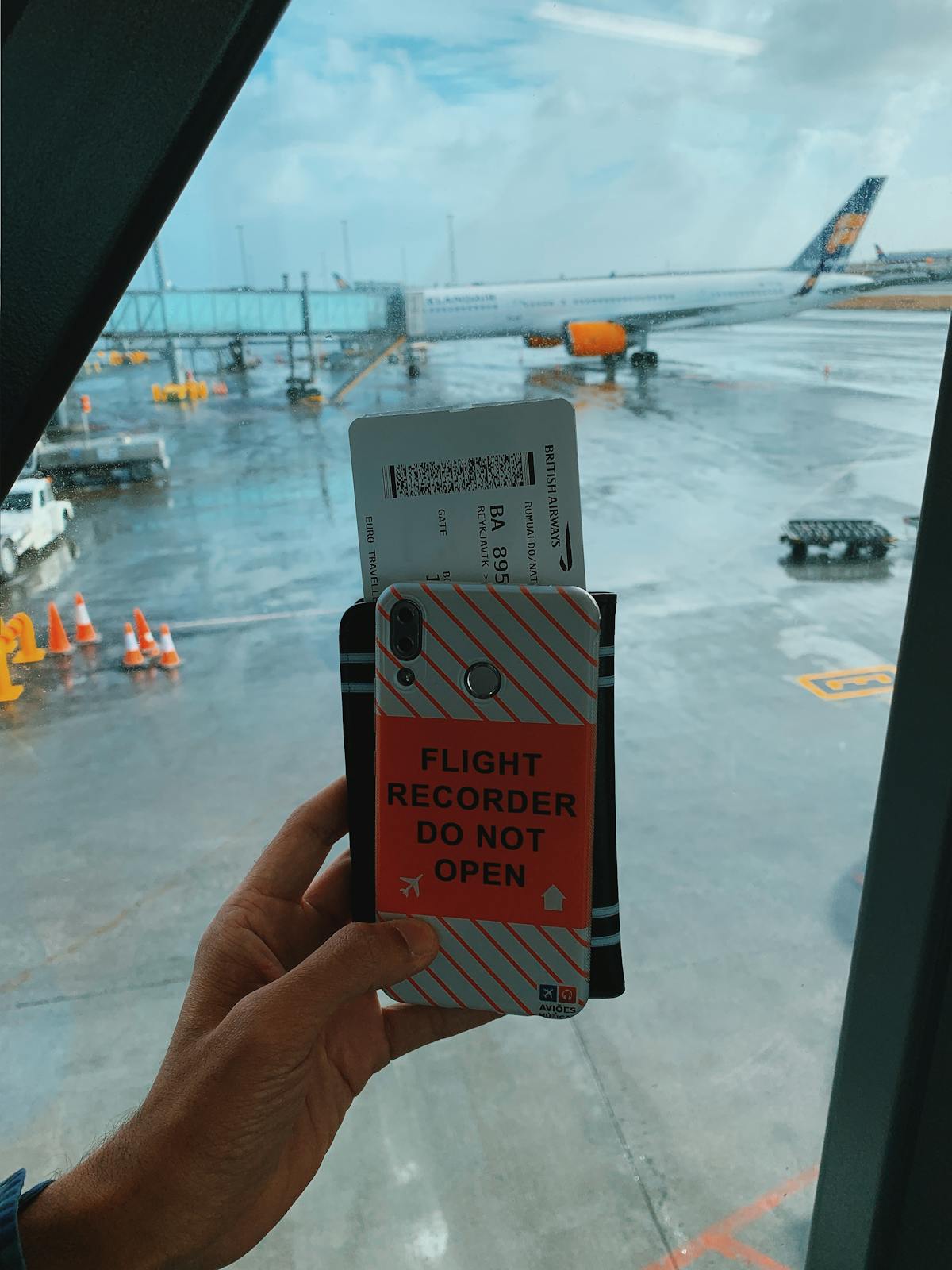
Check-in requirements mirror those at airports, with passengers advised to arrive at terminals 60-90 minutes before departure. Therefore, plan your arrival time accordingly, especially during peak travel periods when terminals become crowded.
Essential Tips for American Families Taking the Ferry
Preparation ensures smooth England to Ireland ferry experiences for American families unfamiliar with European ferry travel. Moreover, understanding cultural differences and practical considerations helps avoid common mistakes that can impact your journey. Additionally, proper documentation and currency preparation streamline the border crossing process.
Pack essential items in carry-on bags rather than storing everything in your car during vehicle crossings. Furthermore, bring entertainment for children, as onboard wifi can be spotty during rough weather. Consequently, downloaded movies, books, and games provide reliable backup options.
- Bring valid US passports for all family members, as driver’s licenses are insufficient for international travel
- Pack motion sickness remedies, especially for children prone to seasickness
- Dress in layers, as ferry temperatures can vary significantly between interior and deck areas
- Bring UK pounds and euros, as both currencies are accepted onboard but change rates vary
- Download ferry company apps for real-time departure updates and onboard service information
Research Irish driving laws and requirements if you’re bringing a rental car from England. For example, insurance coverage must extend to Ireland, and some rental companies charge additional fees for cross-border travel. Therefore, confirm these details before your departure date.
Consider travel insurance that covers ferry delays and cancellations, especially during winter months when weather can disrupt schedules. Additionally, comprehensive coverage protects against medical emergencies in both countries. Above all, verify that your policy covers international ferry travel specifically.
Plan accommodation in advance for popular Irish destinations like Dublin, Cork, or Killarney. Hotels near ferry terminals often offer park-and-sail packages for passengers leaving cars behind. Furthermore, these packages can provide better value than separate parking and accommodation bookings.
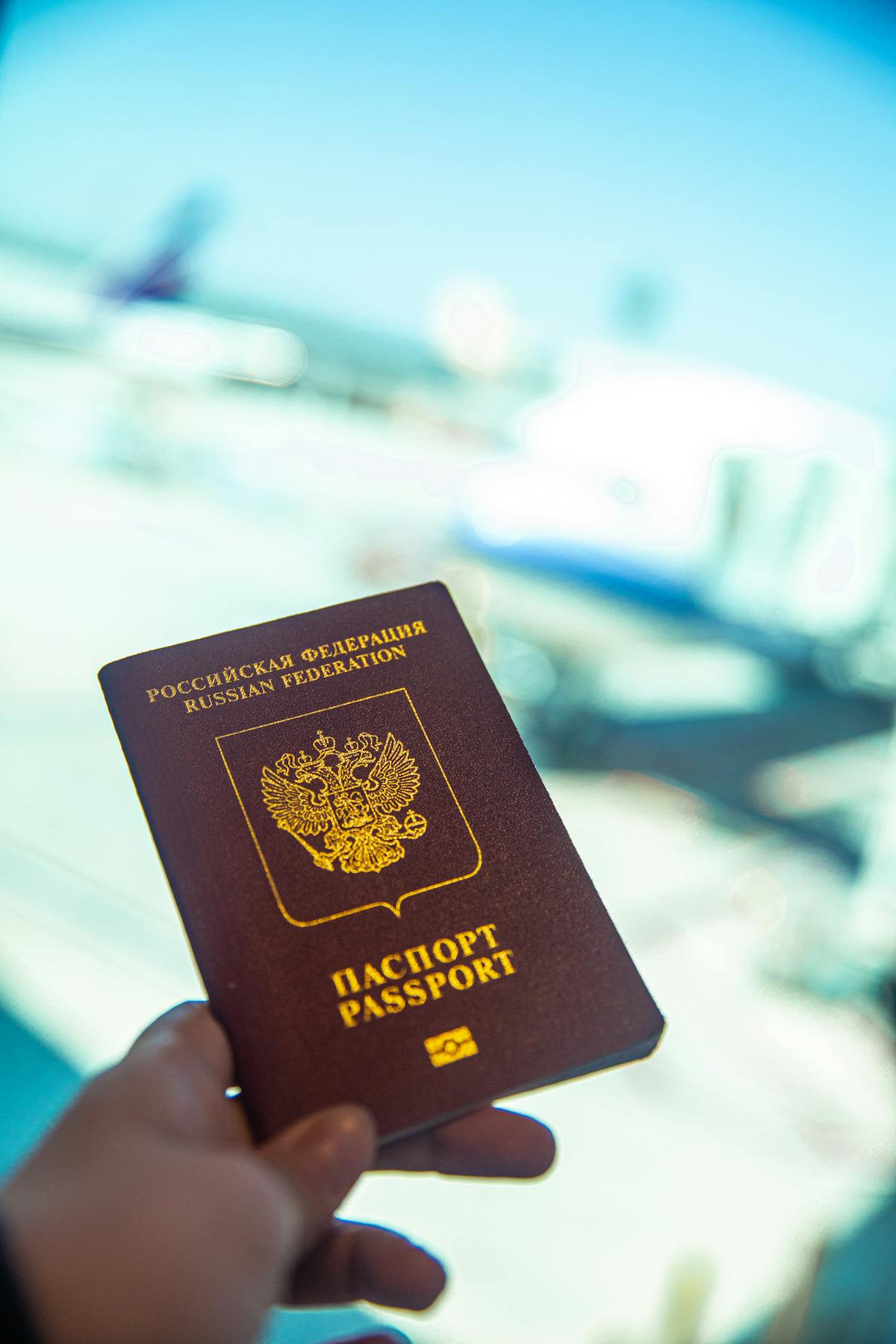
For more detailed information about travel requirements between Great Britain and Ireland, visit the official UK government guidance at gov.uk travel guidance.
Frequently Asked Questions
Do US citizens need visas for ferry travel between England and Ireland?
No, US citizens do not need visas for tourist visits to either England or Ireland. However, you must carry valid US passports for all family members. Additionally, stays are limited to 90 days in the UK and Ireland combined under current regulations.
Can I use my US cell phone during the ferry crossing?
Cell phone coverage varies during ferry crossings, and international roaming charges may apply. Therefore, most ferries offer onboard wifi services for a fee. Alternatively, consider purchasing UK or Irish SIM cards before traveling to avoid expensive roaming charges.
What currency should I bring for onboard purchases?
Ferry operators typically accept UK pounds, euros, and major credit cards for onboard purchases. However, cash transactions often receive better exchange rates than credit card payments. Furthermore, ATMs are available onboard most ferries for currency conversion.
Are there age restrictions for children traveling alone on ferries?
Unaccompanied minor policies vary by ferry operator, but most require children under 16 to travel with adults. Additionally, teenagers aged 16-17 may travel alone with parental consent forms and emergency contact information. Therefore, check specific operator requirements when booking.
Conclusion
Ferry travel between England and Ireland offers American families an affordable, comfortable, and memorable way to explore both countries during their UK vacation. Moreover, the journey itself becomes part of your adventure, with excellent onboard amenities and stunning sea views.
Whether you choose the Liverpool to Dublin route for its overnight convenience or the Holyhead to Dublin crossing for its speed, proper planning ensures a smooth journey. Additionally, advance booking and flexible travel dates can significantly reduce costs for budget-conscious families.
Remember to prepare proper documentation, pack appropriately for sea travel, and take advantage of family discounts when booking your England to Ireland ferry crossing. Ultimately, ferry travel provides a unique perspective on your UK adventure that flying simply cannot match.
Ready to plan your cross-channel adventure? Explore our comprehensive UK travel guides for more insider tips on making the most of your British Isles vacation with your family.