Short answer: Tipping in the UK is optional. At sit-down restaurants, 10–15% is standard unless a service charge (usually 12.5%) is already on the bill; you don’t tip at the pub bar, and for taxis people usually just round up. Many American tourists feel confused when deciding whether to leave a tip in British restaurants, hotels, and taxis. Tipping in the UK follows different customs than the United States, where gratuity expectations are more standardized and generous. However, understanding British tipping etiquette doesn’t have to be complicated once you learn the basic rules and cultural expectations that guide these practices.
British service workers typically earn higher base wages than their American counterparts: since April 2026, the UK National Living Wage is £12.71 an hour for workers 21 and over, and tips can’t count toward it, while the U.S. federal minimum cash wage for tipped workers is $2.13 an hour. Therefore, tips are viewed as a bonus for exceptional service rather than an essential part of their income. Moreover, many establishments already include service charges in your bill, which eliminates the need for additional gratuity in most situations.
This comprehensive guide will help you navigate tipping situations confidently throughout your UK vacation. Additionally, you’ll learn when to tip, how much to give, and which circumstances require no gratuity at all. Understanding these customs will help you avoid awkward moments while ensuring you treat service staff appropriately during your British adventure.
Restaurant Tipping Etiquette in the UK
Restaurant tipping in the UK operates quite differently from American dining customs. British diners usually leave 10–15% at sit-down restaurants when no service charge has been added, and the amounts are generally smaller than what Americans are used to paying. Furthermore, many restaurants automatically add service charges to your bill, particularly in tourist areas and upscale establishments.
Most British restaurants expect tips between 10-15% of your total bill when service has been satisfactory or exceptional. However, you should always check your receipt first to see whether a service charge has already been included. In contrast to American practices, leaving 20% or more might seem excessive and could even embarrass your server.
Cash tips are preferred by most restaurant staff since they receive the money immediately. Nevertheless, you can add gratuity to your credit card payment if cash isn’t available. Indeed, many modern payment terminals will prompt you to add a tip when processing your card payment.
When Service Charge is Already Added
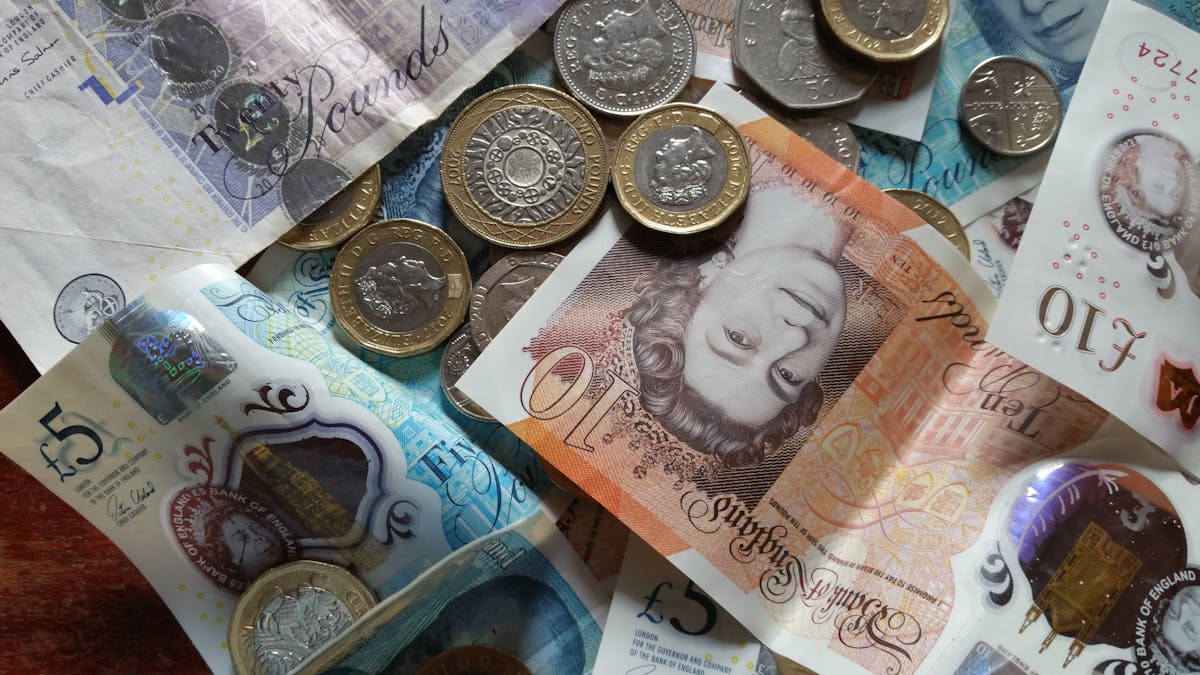
Many UK restaurants automatically include a service charge, especially in London and other major tourist destinations. This charge is usually 12.5% of your total bill and appears as a separate line item on your receipt. As a result, no additional tip is necessary when you see this charge listed.
A discretionary service charge is optional – you can ask for it to be removed if you’re unhappy with the service. However, most Americans find the service perfectly acceptable and choose to pay the included charge. If something went wrong, raise it politely with your server or the manager.
Some establishments add a service charge especially for larger groups. Therefore, always review your bill carefully before calculating any additional gratuity. Furthermore, ask your server about their tipping policy if you’re unsure about whether service charges apply to your table.
Tipping at Pubs vs Fine Dining
Pub tipping customs differ significantly from fine dining restaurant expectations across the UK. Traditional British pubs operate on a counter-service model where customers order and pay for drinks directly at the bar. Consequently, tipping isn’t expected or required in most pub situations, though small gestures are occasionally appreciated.
Instead of leaving money, many locals offer to “buy the bartender a drink” as a form of appreciation. This practice involves adding the cost of a beverage to your order, which the bartender can enjoy later or receive as cash equivalent. However, American tourists shouldn’t feel obligated to follow this custom, especially during busy periods.
Fine dining in the UK works differently from upscale American restaurants. Most UK restaurants, fine dining included, automatically add a discretionary service charge of 12.5% (increasingly 15% in London), and no extra tip is expected. That’s a different system from the 18%–25% tip Americans add on top of the bill at home. If no service charge has been added, 10–15% is standard.
Gastropubs represent a middle ground between traditional pubs and fine dining restaurants. These establishments often provide table service for food while maintaining bar service for drinks. Therefore, consider leaving a modest tip if you receive table service for your meal, particularly if the staff provided helpful recommendations or accommodated special requests.
Tipping Hotel Staff, Taxi Drivers, and Tour Guides
Hotel tipping practices in the UK are generally more modest than American standards, though luxury establishments may have different expectations. Most British hotels pay their staff living wages, which reduces the dependency on tips for basic income. Nevertheless, small gratuities for exceptional service are always welcomed and appreciated by hotel employees.
Taxi drivers throughout the UK typically expect small tips, especially for longer journeys or when they provide extra assistance. Rounding up your fare to the nearest pound or adding 10% represents standard practice for most taxi rides. Moreover, drivers who help with heavy luggage or provide tourist information often receive slightly more generous tips.
Tour guides generally rely more heavily on gratuity since many work as freelancers or receive commission-based compensation. Walking tour guides, in particular, often work for “tips only” and depend on tourist generosity for their income. Therefore, budget £2-5 per person for group tours, or £10-20 for private guide services.
Hotel Housekeeping and Concierge Tips
Housekeeping staff in UK hotels don’t typically expect daily tips like their American counterparts do. However, leaving £1-2 per night for exceptional cleaning or special requests shows appreciation for their hard work. Additionally, end-of-stay tips of £5-10 are more common than daily gratuity, especially for longer stays.
Concierge services vary widely depending on the hotel’s luxury level and the assistance provided. Basic information about local attractions rarely requires tipping, while securing difficult restaurant reservations or theater tickets might warrant £5-10 gratitude. Furthermore, concierges who arrange special experiences or solve complex problems often receive more generous recognition.
Bellhops and porters typically receive £1-2 per bag, similar to American practices but often at the lower end of that range. Room service delivery usually includes a service charge, making additional tips unnecessary unless the staff provides exceptional service. Indeed, many hotels explicitly state their tipping policies in welcome materials or guest information folders.
Black Cab vs Uber Tipping Rules
London’s iconic black cabs follow traditional tipping customs where passengers round up fares or add approximately 10% for satisfactory service. These licensed drivers undergo extensive training and maintain high service standards, making modest tips appropriate for most journeys. However, short trips within central London might only warrant rounding up to the nearest pound.
Uber and other ride-sharing services in the UK operate similarly to their American counterparts regarding tipping options. The app typically prompts passengers to add gratuity after each ride, with suggested amounts based on the fare total. Nevertheless, these tips are entirely optional and many British passengers choose not to tip through the app.
Tipping minicab and private hire drivers isn’t required in the UK, but it’s common to round up the fare (“keep the change”), and about 10% is customary for pre-booked longer trips, such as airport runs, or if you have a lot of luggage. Any tip is still discretionary and based on your satisfaction with the service received.
When NOT to Tip in the UK
Understanding when not to tip prevents awkward situations and helps you follow proper British etiquette throughout your visit. Many service situations that require tipping in America don’t follow the same expectations in the UK. Therefore, knowing these exceptions will help you navigate British customs confidently while avoiding unnecessary expenses.
Tipping isn’t expected at fast-food restaurants or counter-service coffee shops. There may be a tip jar, and card terminals sometimes prompt you to add a tip, but you can skip it. At sit-down casual dining chains, though, a discretionary 10–12.5% service charge is often added to the bill, or diners leave about 10%.
- Retail stores and shopping assistants
- Museum and attraction admission staff
- Public transportation operators
- Government office employees
- Medical professionals and healthcare workers
- Bank tellers and financial service staff
Tradespeople such as plumbers, electricians, and repair services don’t expect tips for completing their work. These professionals charge set rates for their services and include labor costs in their invoicing. Similarly, delivery drivers for packages and mail don’t typically receive tips, though some may accept small gifts during holiday periods.
Hair salons and beauty services follow mixed practices, with some accepting tips while others include service charges in their pricing. Additionally, spa treatments at luxury hotels often include automatic gratuity, making additional tips unnecessary. Always check your receipt or ask staff about their tipping policies to avoid confusion.
How Much Should Americans Tip in British Pounds
Calculating appropriate tip amounts in British pounds requires understanding both currency conversion and local customs for different service situations. American travelers should remember that UK tipping rates are generally lower than US standards, typically ranging from 10-15% in restaurants rather than the 18-20% common in American establishments. Furthermore, many situations that require tipping in America don’t follow the same expectations in Britain.
In restaurants, 10–15% of the bill is the norm when no service charge has been added – on a £60 dinner for two, that’s £6–9. For taxis, rounding up to the nearest pound is customary, and about 10% is common for longer or pre-booked trips, such as airport runs. Moreover, hotel services rarely require more than £5-10 even for exceptional assistance or special requests.
- Restaurant meals: 10-15% of total bill (if no service charge included)
- Taxi rides: Round up fare or add 10% for longer trips
- Hotel housekeeping: £1-2 per night or £5-10 per stay
- Tour guides: £2-5 per person for group tours, £10-20 for private guides
- Hotel concierge: £5-10 for special assistance
- Pub bartenders: No tip required, but “buying a drink” is appreciated
Keep small denomination coins and notes handy for situations where cash tips are preferred or required. Many service workers appreciate immediate cash payments rather than credit card additions, especially in smaller establishments. However, don’t feel pressured to tip beyond your comfort level, as excessive gratuity can sometimes create uncomfortable situations for both parties.
Consider using contactless payment methods and mobile banking apps to manage your tipping budget effectively throughout your UK vacation. These tools help you track expenses while ensuring you have appropriate denominations available for various service situations. Indeed, proper preparation prevents the embarrassment of being unable to show appreciation when circumstances warrant recognition.
Frequently Asked Questions About UK Tipping
Do I need to tip if I’m paying with a credit card?
Yes, you can add tips to credit card payments in most UK establishments, and many card terminals will prompt you to add gratuity. However, cash tips are often preferred by service staff since they receive the money immediately; under the Employment (Allocation of Tips) Act 2023, in force since October 1, 2024, employers in England, Scotland and Wales must pass on all tips and service charges—including card tips—to workers in full, no later than the end of the month after the month you paid (the law doesn’t apply in Northern Ireland). Therefore, carrying small bills and coins gives you more flexibility for various tipping situations.
What should I do if service was poor but there’s already a service charge?
A discretionary service charge is optional even when it’s on the bill – you can ask for it to be removed if you’re unhappy with the service. Explain your concerns calmly to your server or a manager. Moreover, most service issues can be resolved through polite conversation with staff rather than removing gratuity entirely.
Are there different tipping rules in Scotland, Wales, and Northern Ireland?
Tipping customs remain fairly consistent throughout the UK, though rural areas and smaller towns may have more relaxed expectations compared to major cities. Scottish, Welsh, and Northern Irish service workers generally follow the same practices as their English counterparts. Nevertheless, tourist areas throughout all UK regions tend to have higher tipping expectations due to international visitor influence.
Should I tip tour guides differently for free walking tours?
Free walking tours typically operate on a tips-only basis, meaning guides depend entirely on participant generosity for their income. These tours usually warrant higher per-person tips of £5-10, depending on group size and tour quality. Additionally, excellent guides who provide exceptional experiences often receive more generous recognition from satisfied participants.
Is tipping expected in the UK?
Tipping in the UK is optional. Restaurants often add an optional service charge (usually 12.5%) to the bill; if they don’t, 10–15% is standard. You don’t tip at the pub bar, housekeeping doesn’t expect a daily tip the way it often does in the U.S., and for taxis people usually just round up the fare.
Conclusion
Understanding tipping in the UK helps American travelers navigate British service customs confidently while showing appropriate appreciation for good service. Remember that UK tipping rates are generally more modest than American standards, typically ranging from 10-15% in restaurants and smaller amounts for other services. Moreover, always check for existing service charges before calculating additional gratuity to avoid double-tipping situations.
Most British service workers earn higher base wages than their American counterparts, making tips a bonus rather than essential income. Therefore, tip based on service quality rather than obligation, and don’t feel pressured to match American tipping standards throughout your UK vacation. Furthermore, cash tips are generally preferred when possible, so keep small denominations available for various service situations.
For the official visitor view, see Visit London’s tipping guide. And before you fly, make sure your UK ETA is approved – US citizens have needed one to visit the UK since January 8, 2025, with strict enforcement since February 25, 2026 (see our ETA application guide).