Navigating UK healthcare Americans can intimidate travelers used to U.S. billing. However, the UK’s system actually treats emergencies more simply than the United States — at the point of care. Furthermore, understanding the NHS, how it handles tourists, and when private care makes sense prevents costly mistakes. Consequently, this guide answers what every American visitor should know about UK healthcare Americans in 2026, including insurance, pharmacies, and emergency numbers. For context on trip safety as a whole, see camden shoreditch london neighborhood guide.
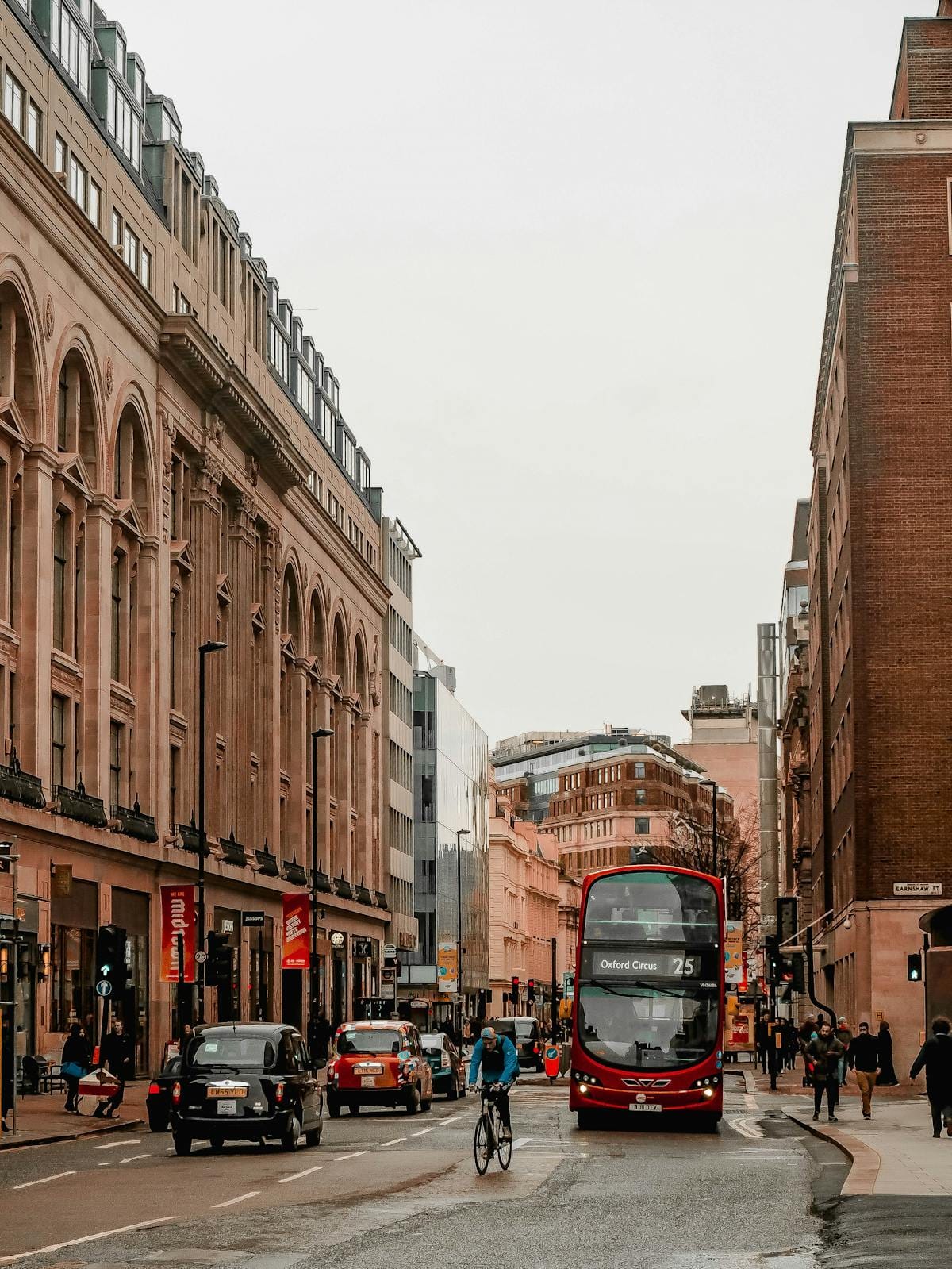
How UK healthcare Americans Differ From U.S. Care
The National Health Service (NHS) is the UK’s publicly funded system. Specifically, UK residents receive free care at the point of use. Tourists, however, face a 150% surcharge on most non-emergency services through the “Immigration Health Surcharge” rules that apply to visa holders. Moreover, Americans on the UK ETA (not a visa) do not pay the Immigration Health Surcharge, but they ARE charged for non-emergency NHS services. Consequently, all tourists should hold travel medical insurance. In addition, emergency care remains free at A&E (Accident & Emergency) regardless of nationality. For UK ETA background, see paying uk contactless vs cash.
NHS Access for Non-Residents
NHS hospitals must provide emergency care to anyone in the UK, including American tourists. Therefore, a heart attack, serious injury, or acute illness receives identical treatment to a UK resident. However, admissions and any ongoing inpatient care beyond immediate stabilization trigger billing under the Overseas Visitor Charging Regulations. In addition, GP (general practitioner) visits for minor issues are available to tourists through private clinics or NHS walk-in centres; charges for non-emergency GP visits at private clinics start around £75. For a safety checklist that includes what to bring, see uk christmas market adventure for american families.
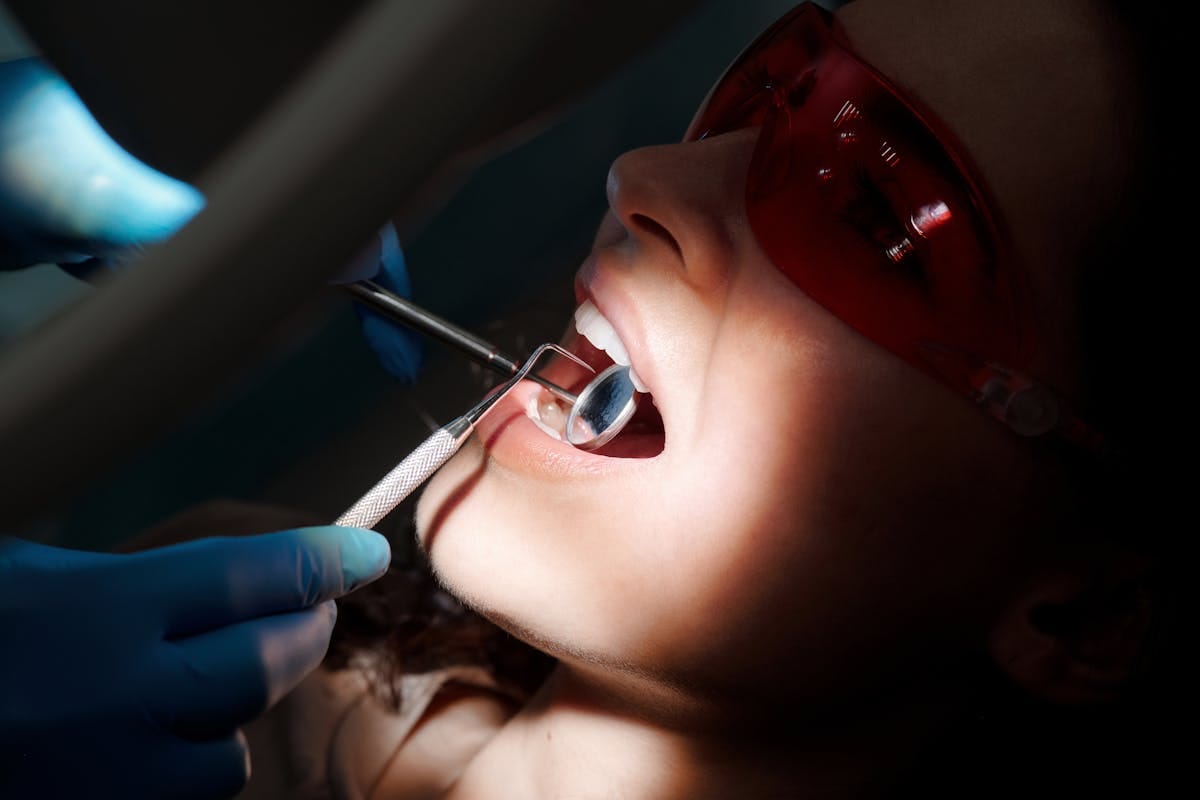
Travel Insurance: What Americans Actually Need
Travel medical insurance for Americans visiting the UK typically costs $40–$90 for a 10-day trip, depending on age and coverage limits. Moreover, credit-card travel insurance from premium cards (Chase Sapphire Reserve, Amex Platinum) covers emergency medical evacuation but often caps direct medical costs at $2,500. Consequently, most Americans add a standalone policy from Allianz, Travelex, or World Nomads. In addition, Medicare does not cover care outside the United States except in very narrow cases. Therefore, Medicare-reliant travelers should strongly consider dedicated travel medical coverage. For cost planning, see travel to uk from utah guide.
Pharmacies, Prescriptions, and Over-the-Counter Medicine
UK pharmacies (called “chemists”) work differently than U.S. drugstores. Specifically, Boots and Superdrug dominate the high street, and their pharmacists often provide free advice on minor conditions. Furthermore, many U.S. over-the-counter drugs (Tylenol, Advil, Pepto-Bismol) sell under different brand names — paracetamol (Tylenol equivalent), ibuprofen, and Pepto look the same but ship under UK labels. In addition, U.S. prescriptions are NOT valid in the UK; American travelers need either a transferred prescription from a UK private GP or a sufficient supply from home. Therefore, pack a 5-day buffer beyond your trip length for any prescription medication. For preparation details, see uk eta dual citizens guide.
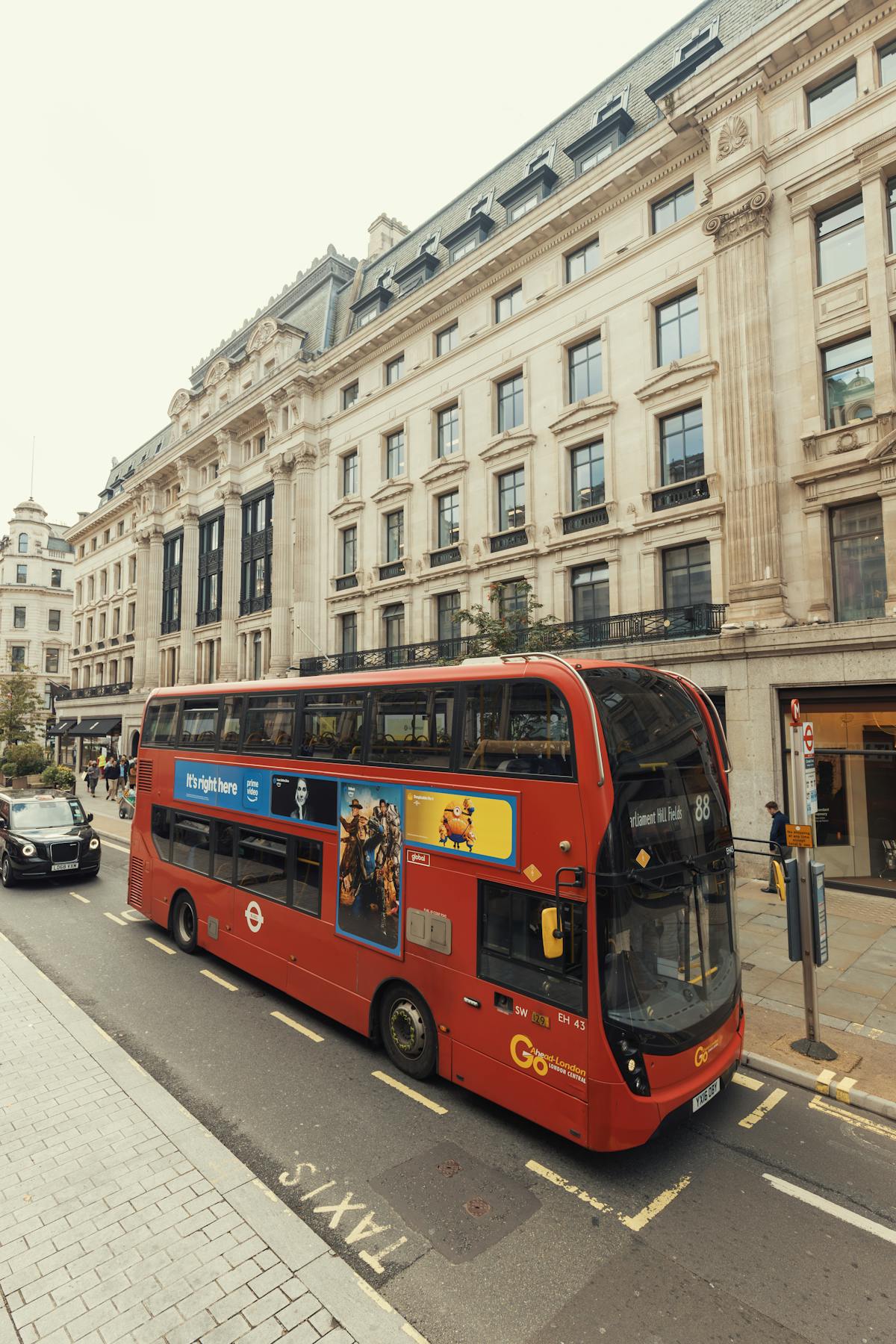
Emergency Care: 999, 111, and Walk-in Centres
Three numbers matter for UK emergencies: 999 (life-threatening emergencies), 111 (non-emergency NHS medical advice, 24/7), and 101 (non-emergency police). Specifically, 999 dispatches police, fire, and ambulance identically to American 911. Moreover, 111 provides free clinical guidance by phone — similar to a nurse triage line — and can direct you to the nearest walk-in centre or pharmacy. In addition, walk-in centres handle mid-level urgencies such as minor cuts, sprains, and infections without requiring an appointment. Consequently, NOT every health need belongs at A&E. For practical 999 usage and other safety basics, see family at uk christmas market under festive lights 28.
| Situation | Call / Visit | Typical Cost for Tourists |
|---|---|---|
| Heart attack, major trauma | 999 or A&E | Emergency care is free |
| Bad fever, minor infection | NHS 111 or walk-in centre | £0–£150 |
| Minor cut, sprain | NHS walk-in centre | £0–£100 |
| Prescription refill | Private GP clinic | £75–£150 consultation |
| Dental emergency | Private emergency dentist | £150–£400 |
Dentistry and Non-Urgent Care
UK dental care for tourists is private by default — NHS dentistry has severe capacity constraints and does not accept non-resident tourists without significant delay. Therefore, budget £150–£400 for an emergency dental visit in central London. Moreover, non-urgent conditions such as skin rashes, mild allergies, or back pain are best handled at private GP clinics like HCA UK or Doctor Call, with consultations from £75. In addition, many hotels keep a private doctor on-call who can make room visits for £180–£280.
Pre-Trip Vaccinations and Health Prep
No special vaccinations are required for American tourists traveling to the UK. However, the CDC recommends standard routine vaccinations including measles, mumps, rubella, and influenza. Moreover, Americans with pre-existing conditions should carry an English-language summary of their medical history and current medications. In addition, a small first-aid kit with bandages, antihistamines, and digestive aids reduces minor pharmacy trips. Consequently, prep takes 30 minutes at most and prevents most mid-trip health inconveniences. For broader prep, see travel to uk from nevada guide.
Costs, Billing, and Paperwork
After any paid UK medical service, request an itemized invoice with your full name, date of service, diagnosis code, and amount paid in GBP. Furthermore, take photos of every receipt on the day of service — ink on thermal receipts fades within weeks. Moreover, most U.S. travel insurers accept digital submissions, but policies differ on whether the claim must be filed within 30, 60, or 90 days of the incident. Consequently, file fast. In addition, keep credit-card records as a secondary proof of payment — they help when receipts go missing.
Frequently Asked Questions
Is NHS care free for American tourists?
Emergency care (A&E) is free for all. Non-emergency care, however, carries overseas-visitor charges and is not free.
Do I need travel insurance for a UK trip?
Yes. Medicare does not cover you abroad, and a single A&E admission can run £3,000–£8,000 if classified as non-emergency once stabilized.
Can I refill my U.S. prescription in London?
Not directly. You need either a private UK GP visit (£75–£150) to issue a UK prescription, or sufficient supply from home including a 5-day buffer.
What number do I call in a UK emergency?
Dial 999 for life-threatening emergencies (same as the U.S. 911). Call 111 for non-emergency NHS medical advice.
Are UK pharmacies open 24 hours?
Limited. Only a handful of central London pharmacies stay open past 22:00. Heathrow and major rail stations have late-hour options.
Does the UK ETA include health coverage?
No. The £20 UK ETA is strictly a pre-travel authorization and carries no insurance component.
What if I get sick on a UK ETA trip?
Seek care at A&E for emergencies (free). For non-emergencies, use a private GP clinic and submit claims to your travel insurer afterward.
Understanding UK healthcare Americans before departure saves money and stress. Furthermore, travel insurance remains the single most important preparation step for any American tourist — second only to the UK ETA itself. Consequently, spend 20 minutes comparing policies before booking flights. For broader UK trip prep, continue to family enjoys uk christmas market in festive evening glow.
Expert Insights for UK healthcare Americans Travelers
Seasoned travel planners emphasize three practical points when advising Americans about UK healthcare Americans. First, preparation density matters more than itinerary length — spending 90 minutes on specifics saves 9 hours during the trip. Furthermore, the Home Office published a March 2026 update clarifying which transit scenarios require the ETA, closing a gap that confused travelers through 2025. Moreover, the April 9, 2026 £20 fee increase means every family of four now spends £80 on authorizations that previously cost £64 — a noticeable budget shift for cost-sensitive travelers. Therefore, the smartest first move remains scheduling the ETA application and the travel insurance purchase on the same day, two to three weeks ahead of departure. For ongoing official updates, the authoritative source is gov.uk, while VisitBritain provides practical tourism context. Consequently, bookmarking both and skimming once a week in the two months before your trip handles 95% of news-driven changes.
American travelers specifically benefit from knowing that UK policy tightened around authenticity of documents in March 2026. Specifically, biometric passport data must match the name, date-of-birth, and passport number on your ETA exactly — middle initials, Jr./Sr., and name-change mismatches have caused boarding denials at IAD, JFK, and LAX. Indeed, airline check-in systems perform the match automatically, and a minor discrepancy triggers manual review that adds 20–40 minutes. However, a successful match takes under three seconds and moves you straight to the TSA line. Therefore, before any transatlantic trip, pull up your passport and your ETA email side by side and verify each field, character by character. This extra 60 seconds of verification heads off the single most common transatlantic boarding delay in 2026.
Data from 2025 border statistics shows that 2.4% of Americans arriving at Heathrow experienced secondary inspection, most often because of incomplete hotel booking details on the ETA application. Furthermore, the ETA asks for a planned address in the UK, and “staying with a friend” without a specific postcode raises flags. Consequently, enter a specific hotel or Airbnb address — even if you plan to change it later, you can update travel plans as long as the passport remains the same. Moreover, pre-clearance at Dublin Airport (for certain itineraries via Aer Lingus) avoids UK border checks entirely, a lesser-known optimization for Americans routing to London from the U.S. West Coast. Ultimately, layering these small optimizations cuts arrival friction by hours.
Key Takeaways and Next Steps
The single most valuable shift for Americans preparing for UK healthcare Americans is moving the ETA, insurance, and currency setup from the “week-before” column to the “month-before” column. Furthermore, treating the UK ETA like a boarding pass — printed, saved offline, and double-checked against the passport — eliminates most last-mile risks. In addition, building the rest of the trip plan around three anchor days (arrival, main sightseeing block, departure) clarifies which decisions actually matter. Consequently, the remaining decisions — specific restaurants, minor transport choices, souvenir purchases — can be made day-of without stress. Moreover, a 15-minute review the night before departure confirms everything still aligns.
Looking further ahead, Americans visiting the UK after October 2026 should also prepare for the Entry/Exit System (EES) biometric capture on EU borders, which applies even if you do not plan to visit the Schengen area on the same trip. Specifically, any onward transit through Paris, Amsterdam, or Frankfurt after a UK stay triggers EES at that next European arrival. Therefore, a full “2026 American travel kit” now consists of four elements: passport valid 6+ months, UK ETA (£20), travel insurance, and EES readiness (which requires no advance application but does add 90 seconds to the first EU arrival). Indeed, preparation never gets shorter than these four items. For the most comprehensive planning resource, continue to family at uk christmas market with festive evening lights.