When planning your UK adventure, you’re probably wondering about the most convenient way to handle payments during your trip. Paying in the UK: contactless vs. cash has become a crucial consideration for US travelers, especially as Britain continues its rapid shift toward digital payments. Furthermore, understanding which payment method works best in different situations can save you money, time, and potential embarrassment during your vacation.
The good news is that the UK offers excellent payment flexibility for American visitors. Moreover, both contactless and cash payments have their distinct advantages depending on where you’re shopping, dining, or exploring. In this comprehensive guide, we’ll walk you through everything you need to know about handling money in Britain, from using your US credit cards to navigating London’s transport system.
Contactless Payments in the UK: What US Travelers Need to Know
Britain has embraced contactless payments more enthusiastically than most countries worldwide. Additionally, the contactless payment limit increased to £100 in 2021, making it even more convenient for tourists. Most retailers, restaurants, pubs, and attractions now accept contactless payments as their preferred method.
Contactless technology works seamlessly across the UK, from bustling London streets to quaint Cotswold villages. However, the speed and convenience of tap-and-go payments have revolutionized how both locals and visitors handle transactions. For instance, you can buy everything from a morning coffee to theater tickets without ever touching cash.
The infrastructure supporting contactless payments is remarkably robust throughout Britain. Nevertheless, you’ll find contactless readers in places you might not expect, including food trucks, market stalls, and even some street performers. Therefore, having a contactless-enabled card ready can streamline your entire UK experience.
Using Your US Credit Cards for Contactless Payments
Most US-issued credit cards now come with contactless capability, making them perfect for UK travel. Specifically, look for the Wi-Fi-like symbol on your card, which indicates contactless functionality. Major US card issuers like Chase, Capital One, and American Express have made contactless standard on most new cards.
Before traveling, contact your card company to notify them of your UK travel plans. As a result, you’ll avoid having your card blocked for suspicious foreign activity. Additionally, confirm whether your card charges foreign transaction fees, as these can add up quickly during your trip.
- Visa and Mastercard work universally across the UK
- American Express is widely accepted but not everywhere
- Discover has limited acceptance outside major tourist areas
- Chip-and-PIN capability provides backup when contactless fails
Your US contactless cards will work exactly like local UK cards in most situations. However, some older card readers might require you to insert your card and enter your PIN instead. Therefore, always know your PIN number before traveling, as many US cardholders rarely use this feature at home.

Apple Pay, Google Pay, and Digital Wallets in Britain
Digital wallet adoption in the UK far exceeds what you’ll find in many US cities. Consequently, Apple Pay, Google Pay, and Samsung Pay work seamlessly throughout Britain. Moreover, many locals prefer digital wallets over physical cards for their added security and convenience.
Setting up your digital wallet before departure ensures smooth transactions from the moment you arrive. Furthermore, digital wallets often provide better exchange rates than traditional currency conversion methods. For example, Apple Pay transactions typically use your card’s standard foreign exchange rate without additional wallet fees.
Digital wallets offer several advantages for US travelers in the UK. Above all, they provide an extra layer of security since your actual card number isn’t transmitted during transactions. Additionally, you can use digital wallets even if you lose your physical wallet, provided you have your phone and remember your passcode.
When Cash is Still King in the UK
Despite Britain’s contactless revolution, certain situations still require cash payments. Understanding when Paying in the UK: contactless vs. cash becomes a cash-only decision can prevent awkward moments during your trip. Traditional establishments, small businesses, and specific services often prefer or exclusively accept cash.
Cash remains important for tipping, small purchases, and backup payment situations. In particular, having £20-50 in mixed denominations provides peace of mind throughout your journey. Besides that, cash can be essential when visiting rural areas where internet connectivity might affect card readers.
Places That Prefer or Require Cash Payments
Several types of businesses across the UK still operate primarily on cash transactions. Moreover, these establishments often provide authentic local experiences that you won’t want to miss. Therefore, carrying some British pounds ensures you can enjoy these unique opportunities.
- Traditional fish and chips shops in seaside towns
- Independent bed and breakfasts, especially in rural areas
- Church donations and charity collections
- Some taxi drivers, particularly outside major cities
- Market stalls at farmers markets and craft fairs
- Public restrooms with coin-operated locks
- Parking meters in smaller towns and villages
Additionally, many pubs still appreciate cash payments, especially for smaller rounds of drinks. However, this varies significantly between establishments, with modern gastropubs typically accepting all payment methods. Nevertheless, having cash ready demonstrates respect for local customs and preferences.

Emergency situations also highlight cash’s continued importance in the UK. For instance, if card systems go down due to technical issues or power outages, cash becomes the only viable payment option. Consequently, smart travelers always maintain a small cash reserve for unexpected circumstances.
Getting British Pounds: ATMs vs. Currency Exchange
ATMs generally offer the best exchange rates for obtaining British pounds during your visit. Furthermore, most UK ATMs accept US debit cards from major banks, making cash access convenient throughout your trip. However, be aware that your US bank may charge international ATM fees ranging from $3-5 per transaction.
Airport and tourist area currency exchange services typically offer poor rates with high fees. In contrast, using ATMs at UK banks provides rates much closer to the actual market exchange rate. Therefore, plan to withdraw larger amounts less frequently to minimize ATM fees from your US bank.
- Check with your US bank about international ATM partnerships
- Look for ATMs operated by major UK banks like Barclays, HSBC, or Lloyds
- Avoid independent ATMs in tourist areas that charge additional fees
- Always choose to be charged in British pounds, not US dollars
- Withdraw £100-200 at a time to minimize transaction fees
Payment Tips for US Families Traveling in the UK
Families face unique payment challenges when exploring the UK together. Specifically, managing multiple family members’ spending while optimizing exchange rates and fees requires careful planning. Moreover, teaching children about foreign currency and payment methods can become part of the educational travel experience.
Consider designating one family member as the primary payment coordinator for larger expenses. However, ensure each family member has backup payment options in case of separation or emergencies. Additionally, older children can learn responsibility by managing their own small cash allowances for souvenirs and snacks.
Avoiding Foreign Transaction Fees
Foreign transaction fees can significantly impact your travel budget, especially for families making numerous daily purchases. Consequently, choosing the right credit cards before your trip becomes crucial for cost-effective UK travel. Many premium travel credit cards waive foreign transaction fees entirely.
Research no-foreign-fee credit cards well before your departure date, as applications and approvals take time. For example, cards like the Chase Sapphire Preferred or Capital One Venture offer excellent international benefits. Besides that, some cards provide bonus points for international purchases, effectively giving you rewards for UK spending.
- Apply for no-foreign-fee cards 2-3 months before traveling
- Use the same card for most purchases to simplify expense tracking
- Avoid currency conversion options offered by merchants
- Monitor exchange rates to understand the true cost of purchases
- Keep receipts for expense tracking and potential returns
Always decline dynamic currency conversion when offered by UK merchants. Although this option might seem convenient, it typically includes poor exchange rates and additional fees. Therefore, always choose to pay in British pounds and let your US credit card handle the conversion at better rates.
Tipping Etiquette: Cash vs. Card in Britain
British tipping culture differs significantly from American expectations, and the payment method can influence appropriate tip amounts. Moreover, understanding when and how to tip helps you navigate social situations confidently. However, excessive tipping can actually make locals uncomfortable, as it’s not expected in many situations.
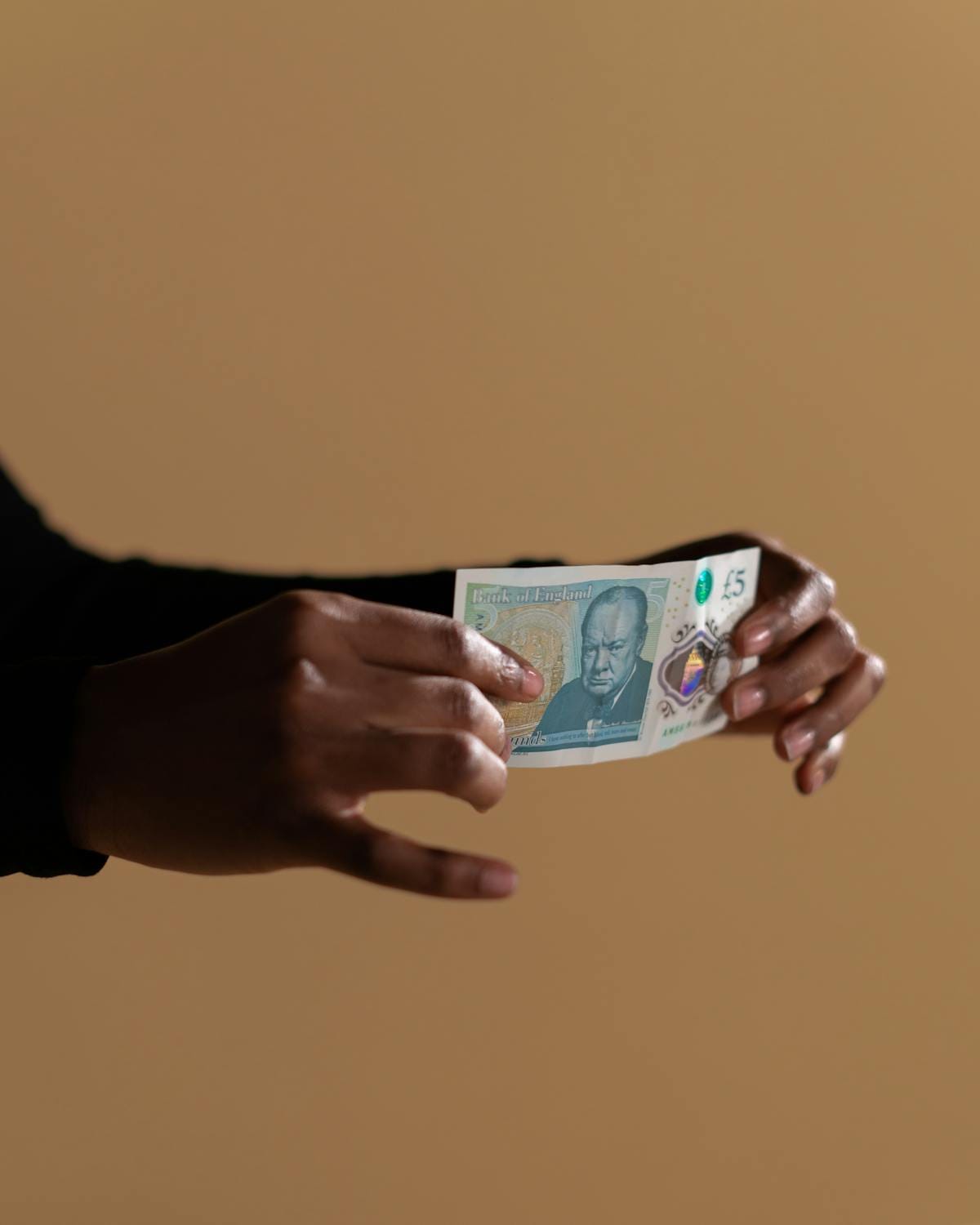
Restaurant tipping in the UK typically ranges from 10-15% for good service, but only when no service charge is already included. Furthermore, many restaurants now include an optional service charge on the bill that you can remove if service was poor. Nevertheless, cash tips are often preferred by serving staff, even in establishments that accept card payments.
- Restaurants: 10-15% if no service charge is included
- Pubs: Tipping is not expected for drinks ordered at the bar
- Taxis: Round up to the nearest pound or add 10% for longer journeys
- Hotels: £1-2 per bag for porters, £2-5 daily for housekeeping
- Tour guides: £5-10 for day tours, depending on group size and quality
Cash tipping provides more direct benefit to service workers, as they receive the full amount immediately. In contrast, card tips might be subject to processing delays or sharing arrangements with management. Therefore, keeping small denomination notes handy ensures you can tip appropriately when good service warrants recognition.
London Transport: Contactless Cards vs. Oyster Cards
London’s transport system exemplifies how Paying in the UK: contactless vs. cash has evolved in the digital age. Specifically, Transport for London (TfL) has made contactless payments the preferred method for buses, trains, and the Underground. Moreover, cash is no longer accepted on London buses, making contactless capability essential for public transport.
Your US contactless credit card works exactly like an Oyster Card on London transport. Additionally, using your credit card eliminates the need to purchase, top up, or return an Oyster Card. However, ensure your card doesn’t charge foreign transaction fees, as you’ll make multiple small transport charges daily.
Daily and weekly price capping automatically applies when using contactless payments on London transport. As a result, you’ll never pay more than the equivalent of a day or weekly travelcard, regardless of how many journeys you make. Furthermore, the system tracks your travel across all TfL services, ensuring you get the best possible fare.
- Use the same contactless card for all family members’ travel for easier tracking
- Tap the same card on entry and exit for accurate fare calculation
- Check that incomplete journeys don’t result in maximum fare charges
- Consider mobile payment options if you’re concerned about card security
- Keep backup payment methods in case your primary card is declined
Oyster Cards still offer some advantages for longer London stays or visitors who prefer prepaid options. Nevertheless, for most US tourists visiting London for a few days, contactless credit cards provide superior convenience and automatic fare optimization. Therefore, you can focus on exploring rather than managing transport card balances.
Regional Variations Across the UK
Payment preferences vary significantly between different regions of the United Kingdom. Consequently, what works perfectly in London might require adjustment in Scottish highlands or Welsh valleys. Moreover, understanding these regional differences helps you prepare appropriate payment methods for each destination on your itinerary.
Scotland’s major cities like Edinburgh and Glasgow mirror London’s contactless adoption rates. However, remote Scottish islands and Highland villages often rely more heavily on cash transactions. Similarly, Northern Ireland’s cities embrace modern payment methods, while rural areas may prefer traditional cash payments.
Wales presents an interesting mix of modern payment acceptance in Cardiff and Swansea, alongside traditional cash preferences in rural communities. Additionally, many Welsh-speaking areas take pride in supporting local businesses that may not have invested in the latest payment technology. Therefore, carrying cash becomes particularly important when exploring authentic Welsh culture.
Security Considerations for US Travelers
Payment security should be a top priority when deciding between Paying in the UK: contactless vs. cash options. Furthermore, both payment methods have distinct security advantages and vulnerabilities that US travelers should understand. Moreover, combining both approaches strategically provides the best overall security for your UK adventure.
Contactless payments offer superior security through tokenization technology that protects your actual card details. Additionally, most contactless transactions don’t require signatures or PINs, reducing the risk of someone observing your authentication information. However, lost or stolen contactless cards can be used immediately by thieves, although liability protection typically limits your financial exposure.
Cash provides anonymity and eliminates the risk of card skimming or digital fraud. Nevertheless, stolen cash cannot be replaced or recovered, unlike fraudulent card charges that banks typically reverse. Therefore, carrying moderate cash amounts while relying primarily on contactless payments balances security with convenience.
- Notify your bank of travel dates to prevent security blocks
- Use hotel safes for storing extra cash and backup cards
- Monitor account activity regularly through mobile banking apps
- Keep emergency contact numbers for your credit card companies
- Photograph important cards and documents as backup
Budgeting and Expense Tracking
Managing your travel budget effectively requires understanding how different payment methods affect expense tracking and currency conversion. Specifically, contactless payments provide detailed electronic records, while cash transactions require manual tracking. Moreover, mixing payment methods can complicate budget management if not handled systematically.
Credit card statements automatically convert UK purchases to US dollars, providing clear spending records for post-trip analysis. However, the conversion happens days after the actual purchase, making real-time budget monitoring challenging. Consequently, using currency conversion apps helps you understand immediate spending impacts during your trip.
Cash spending requires diligent receipt collection and manual recording to maintain accurate budget tracking. Nevertheless, cash provides immediate spending feedback, as you physically see your money decreasing. Therefore, many travelers find cash helpful for discretionary spending categories like souvenirs and snacks.
Frequently Asked Questions
Do I need to bring any cash to the UK, or can I rely entirely on contactless payments?
While contactless payments work almost everywhere in the UK, bringing £50-100 in cash is still recommended. Cash helps with tipping, small independent businesses, emergency situations, and places like public restrooms or parking meters that might not accept cards. Additionally, having cash provides peace of mind and backup payment options.
Will my US credit card work for contactless payments throughout the UK?
Yes, most US credit cards with contactless capability work seamlessly throughout the UK. However, check that your card doesn’t charge foreign transaction fees, notify your bank of travel plans, and ensure you know your PIN as backup. Visa and Mastercard have universal acceptance, while American Express is widely but not universally accepted.
Is it better to use cash or card for tipping in UK restaurants?
Cash tips are generally preferred by UK restaurant staff, as they receive the full amount immediately. However, many restaurants now allow you to add tips to card payments. Check if a service charge is already included before tipping, and remember that UK tipping expectations (10-15%) are lower than typical US amounts (18-20%).
How does London transport work with US credit cards?
Your US contactless credit card works exactly like an Oyster Card on London transport, with automatic daily and weekly price capping. Simply tap your card on entry and exit, ensuring you use the same card throughout your journey. This eliminates the need to purchase or manage an Oyster Card for short visits.
Making the Right Choice: Contactless vs. Cash for Your UK Trip
The question of Paying in the UK: contactless vs. cash doesn’t require choosing just one option. Instead, successful US travelers combine both methods strategically to maximize convenience, security, and cost-effectiveness. Moreover, understanding when each payment method works best ensures smooth transactions throughout your British adventure.
Contactless payments should be your primary method for most UK transactions, offering convenience, security, and automatic expense tracking. However, maintaining a small cash reserve provides essential backup for specific situations and traditional establishments. Furthermore, this balanced approach lets you experience authentic British culture while enjoying modern payment convenience.
Planning your UK payment strategy before departure prevents confusion and costly mistakes during your trip. Therefore, research no-foreign-fee credit cards, notify banks of travel plans, and familiarize yourself with British payment customs. Ultimately, well-prepared travelers can focus on creating memories rather than worrying about payment logistics.
Ready to master UK payments and make the most of your British adventure? Download our comprehensive UK Travel Payment Guide for detailed tips, current exchange rates, and insider recommendations that will save you money throughout your journey.