British Pound Currency Guide: Everything US Travelers Need to Know in 2026
Planning your family vacation to the UK but feeling overwhelmed by currency exchange rates and payment methods? This comprehensive British pound currency guide for travelers addresses every money-related question American families face when visiting Britain. Moreover, understanding the UK’s monetary system before you travel can save you hundreds of dollars in unnecessary fees and poor exchange rates.
Navigating British currency doesn’t have to be complicated. Furthermore, with the right knowledge about coins, banknotes, and modern payment systems, you’ll handle UK money like a seasoned traveler. Indeed, this British pound currency guide for travelers covers everything from identifying authentic banknotes to choosing the best exchange methods for your family’s needs.
Understanding British Pound Coins and Banknotes – British Pound Currency Guide for Travelers
British currency consists of pounds sterling (GBP), divided into 100 pence. Additionally, you’ll encounter eight different coin denominations and four main banknote values during your UK visit. Specifically, familiarizing yourself with these before departure eliminates confusion at shops, restaurants, and transport hubs.
Current UK coins in circulation
British coins feature distinctive designs that make identification straightforward for American visitors. First, the 1p and 2p coins appear copper-colored and feel lightweight compared to US pennies. Next, the 5p and 10p coins are silver-colored and similar in size to American dimes and nickels respectively.
The larger denominations include 20p, 50p, £1, and £2 coins. For example, the £1 coin has a distinctive twelve-sided shape with a gold-colored center and silver rim. Similarly, the £2 coin features a gold center with silver outer ring, making it easily recognizable.
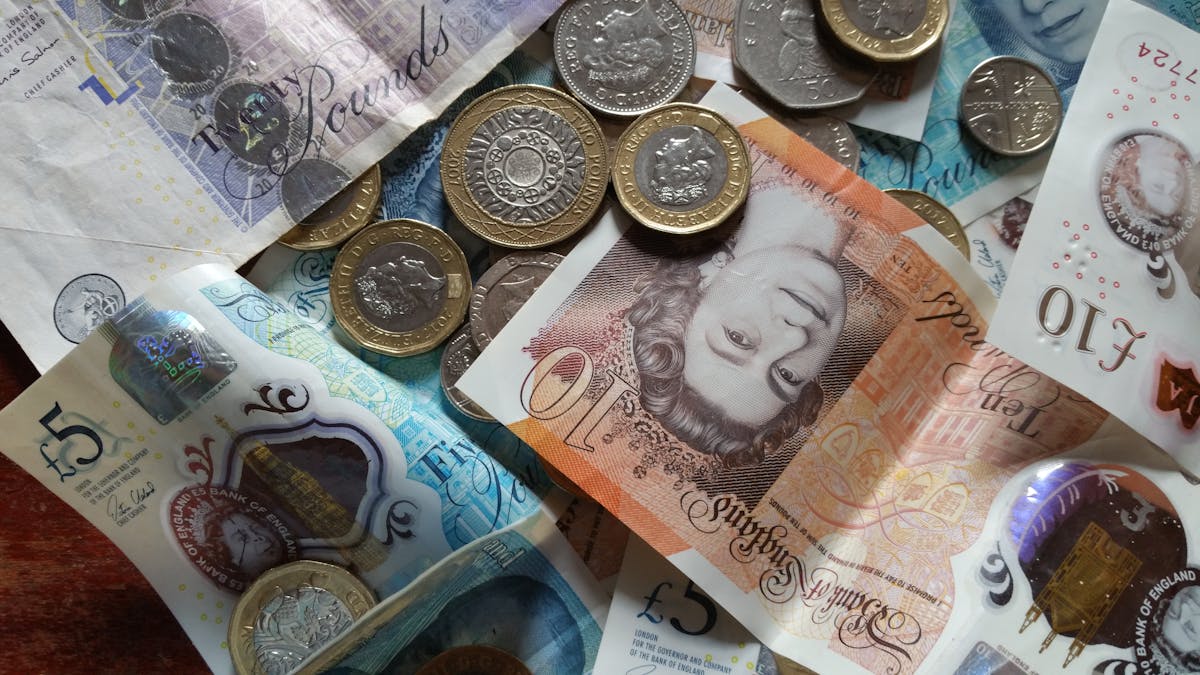
- 1p (penny) – copper-colored, smallest coin
- 2p (two pence) – copper-colored, larger than 1p
- 5p (five pence) – silver-colored, small and thin
- 10p (ten pence) – silver-colored, medium size
- 20p (twenty pence) – silver-colored, seven-sided
- 50p (fifty pence) – silver-colored, seven-sided, larger
- £1 (one pound) – twelve-sided, gold center with silver rim
- £2 (two pounds) – round, gold center with silver outer ring
Many shops round prices to the nearest 5p for cash transactions. Therefore, you’ll rarely use 1p and 2p coins in practice, although they remain legal tender.
British banknotes and security features
UK banknotes come in four denominations: £5, £10, £20, and £50. However, the £50 note is rarely accepted by smaller businesses due to counterfeiting concerns. Consequently, most American families find £5, £10, and £20 notes most practical for everyday purchases.
Modern British banknotes are made from polymer plastic rather than paper. As a result, they’re waterproof, more durable, and feature advanced security elements. For instance, each note contains a transparent window, raised print, and color-changing features that make counterfeiting extremely difficult.
The Bank of England provides detailed information about security features at https://www.bankofengland.co.uk/banknotes. Additionally, each denomination features different historical figures: £5 shows Winston Churchill, £10 displays Jane Austen, £20 features J.M.W. Turner, and £50 honors Alan Turing.
Best Currency Exchange Options for US Families – British Pound Currency Guide for Travelers
Choosing the right currency exchange method significantly impacts your travel budget. Furthermore, understanding the pros and cons of each option helps you maximize your spending power throughout your UK adventure. This British pound currency guide for travelers examines the most cost-effective exchange strategies for American families.
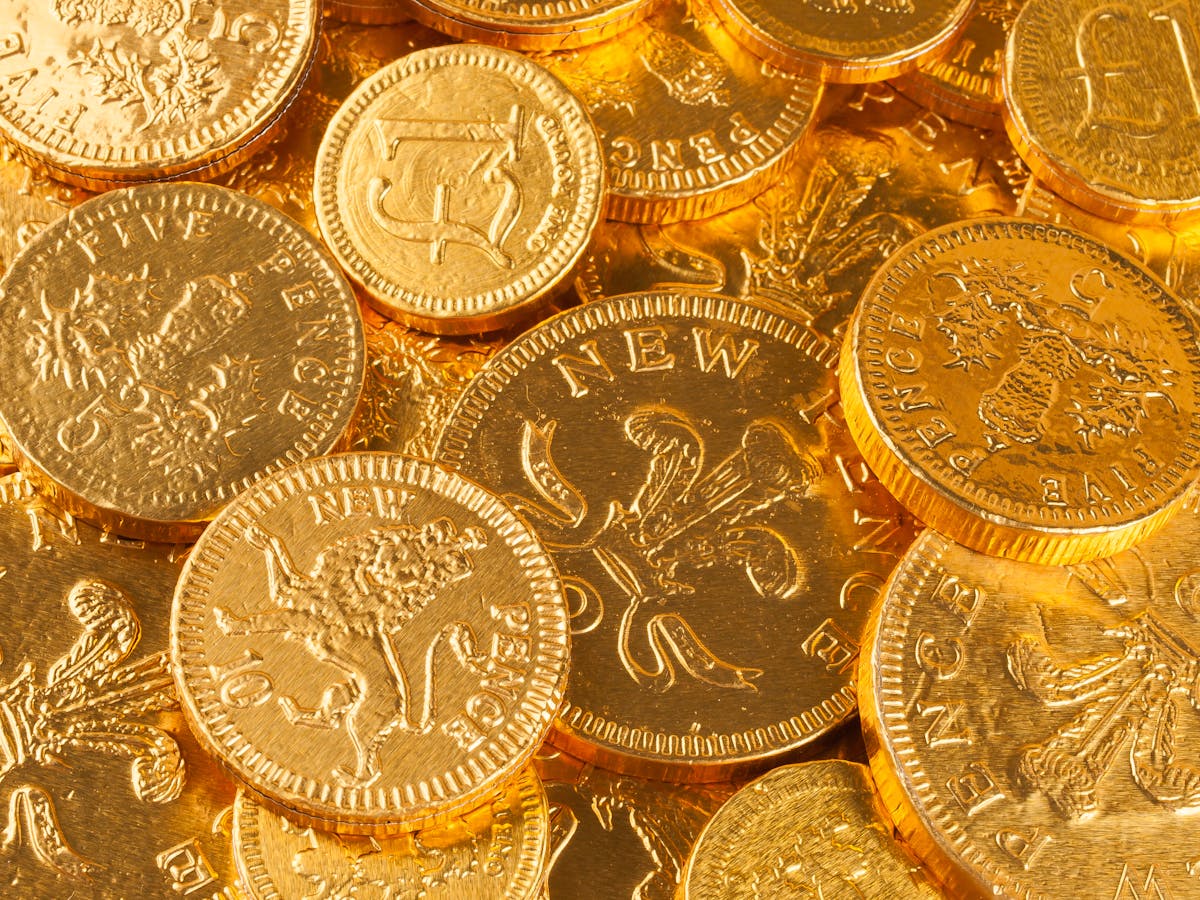
Airport vs bank vs online exchange rates
Airport currency exchanges typically offer the worst rates and highest fees. In contrast, banks and credit unions usually provide better exchange rates, especially if you’re an existing customer. Nevertheless, online currency exchange services often beat traditional bank rates by 2-4%.
Pre-ordering currency online allows comparison shopping between providers. For example, services like Travelex, Currency Exchange International, and your bank’s online platform let you lock in rates and pick up cash before departure. Moreover, this approach eliminates the stress of finding exchange services upon arrival.
- Online exchange services (best rates, advance planning required)
- US banks and credit unions (good rates for members)
- UK banks and post offices (decent rates, widely available)
- High street exchange bureaus (moderate rates, convenient locations)
- Hotel currency exchange (poor rates, emergency use only)
- Airport exchanges (worst rates, avoid if possible)
ATM withdrawals in the UK often provide competitive exchange rates. However, your US bank may charge international transaction fees ranging from $2-5 per withdrawal plus 1-3% foreign transaction fees.
Using US credit cards and debit cards in the UK
Credit cards offer the most convenient payment method for American travelers in Britain. Additionally, premium travel cards often provide the best exchange rates without foreign transaction fees. Specifically, look for cards that waive international fees and offer travel rewards.
Notify your bank and credit card companies about your travel dates and destinations. Otherwise, fraud protection systems may block your cards when they detect UK transactions. Furthermore, bring backup cards from different providers in case one gets declined or lost.
- Chase Sapphire Preferred – no foreign transaction fees
- Capital One Venture – no foreign transaction fees
- American Express Gold – widely accepted, travel benefits
- Bank of America Travel Rewards – no foreign fees for premium accounts
Debit cards work at UK ATMs, but check your daily withdrawal limits first. In the meantime, consider raising these limits temporarily for your trip to avoid multiple withdrawal fees.
Money-Saving Tips for American Tourists
Smart money management strategies can significantly reduce your UK travel costs. Moreover, understanding British payment preferences and adopting local financial habits helps stretch your vacation budget further. These practical tips ensure you get maximum value from every pound spent.
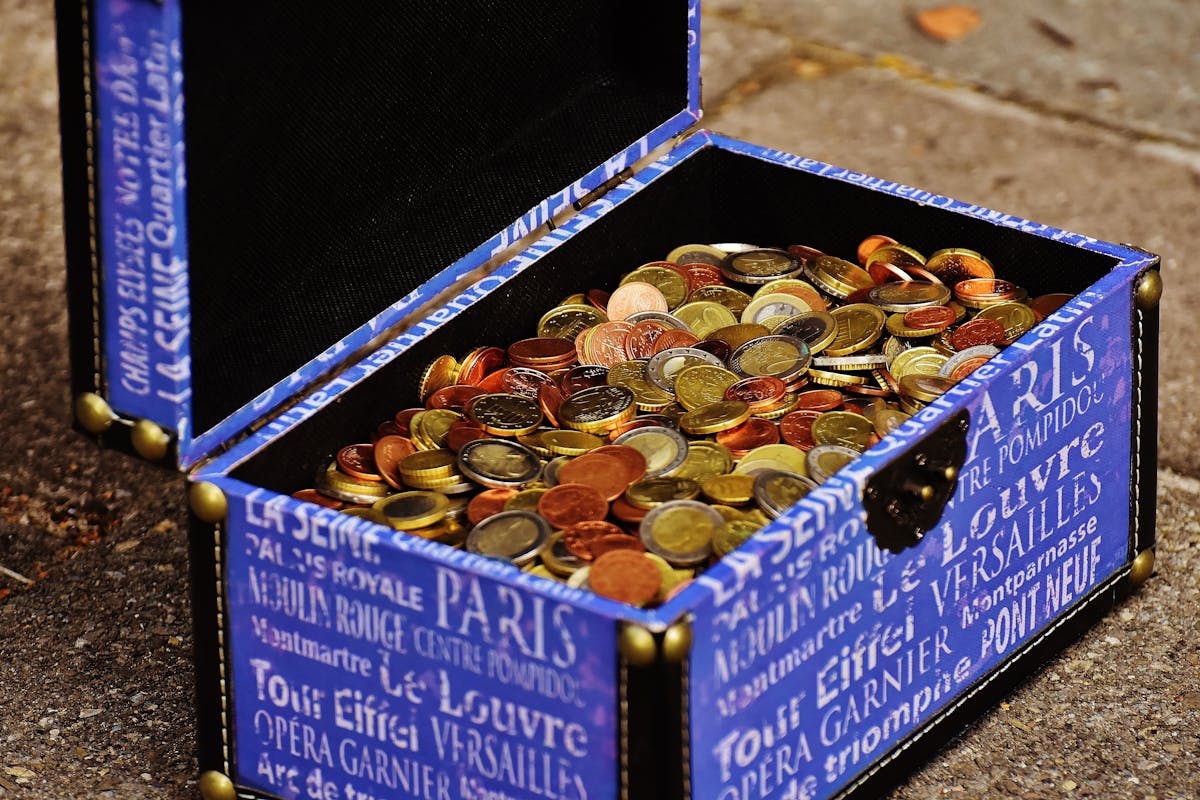
Contactless payments and digital wallets – British Pound Currency Guide for Travelers
Britain leads the world in contactless payment adoption, with over 95% of card transactions being contactless. Therefore, ensure your US cards have tap-to-pay functionality before traveling. Apple Pay, Google Pay, and Samsung Pay work seamlessly throughout the UK.
Transport systems in London, Manchester, and other major cities accept contactless payments directly. For instance, you can tap your phone or card on London Underground barriers instead of buying paper tickets. Consequently, this saves time and often money compared to traditional ticketing methods.
Most UK retailers accept contactless payments up to £100 without PIN verification. Above all, this makes small purchases incredibly convenient but requires vigilance if your card gets stolen. Nevertheless, fraud protection on US cards typically covers unauthorized transactions.
- Set up Apple Pay or Google Pay before departure
- Enable contactless on all your credit and debit cards
- Check contactless spending limits with your banks
- Use phone payments for added security (biometric verification)
Tipping customs and cash vs card preferences
British tipping culture differs significantly from American expectations. Furthermore, excessive tipping can actually make locals uncomfortable rather than appreciative. Generally, 10-15% is considered generous in restaurants, and many service charges are already included in bills.
Pub servers don’t expect tips for drinks, although offering to “buy them a drink” (adding £1-2 to your bill) is appreciated. Similarly, taxi drivers appreciate rounding up the fare but don’t require 20% tips like their American counterparts. Hotel housekeeping tips of £2-3 per night are welcomed but not mandatory.
Card payments dominate British commerce, with some establishments going completely cashless. However, keep small amounts of cash for markets, street food vendors, and older pubs that may not accept cards. In particular, £20-50 in mixed denominations covers most cash-only situations.
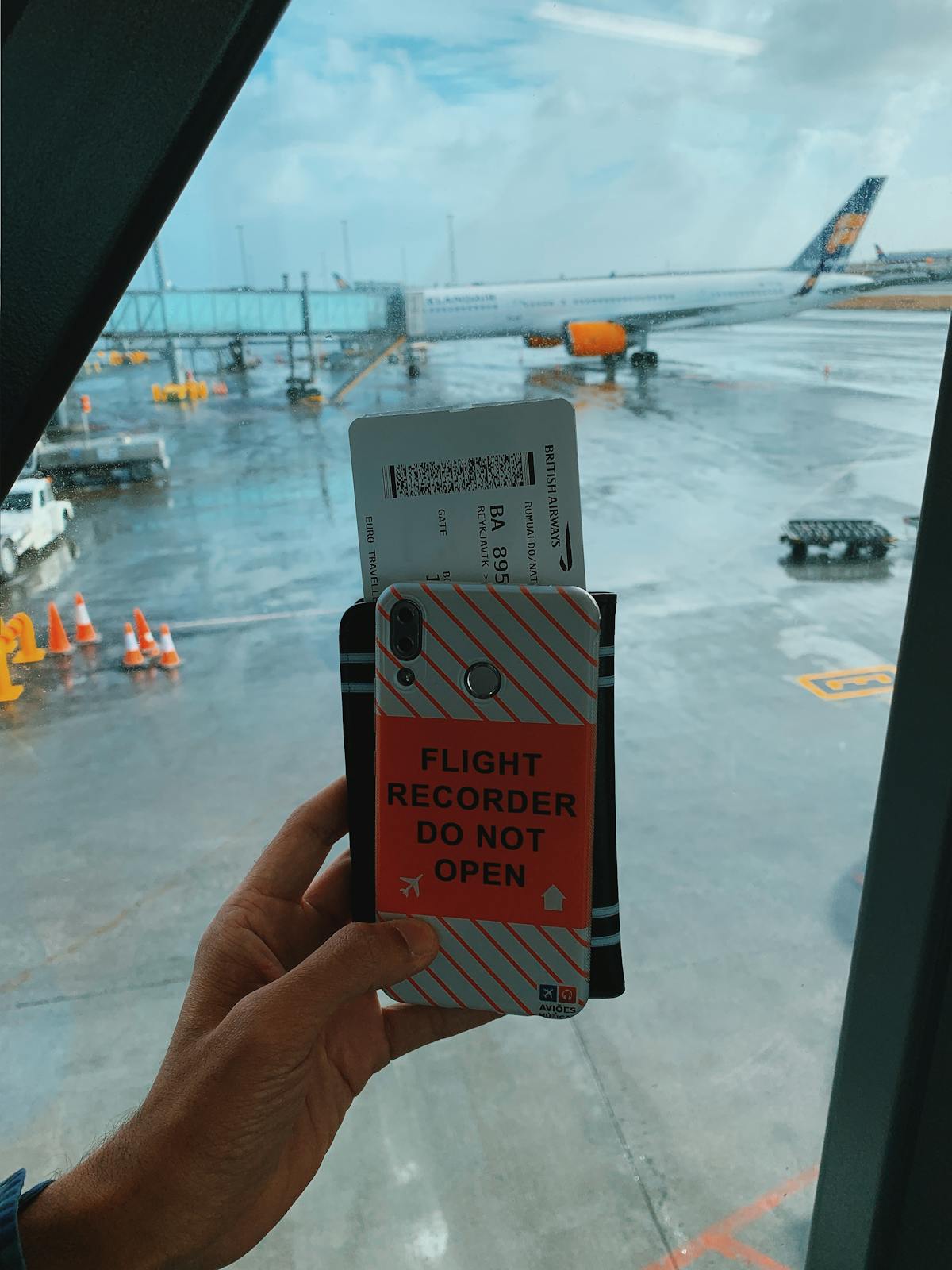
Public toilets sometimes require 20p-50p coins, so keep small change handy. Additionally, some parking meters and older vending machines still operate on coins only.
Avoiding Common Currency Mistakes in Britain
American travelers frequently make costly currency mistakes that drain their vacation budgets unnecessarily. However, awareness of these pitfalls helps you navigate British financial systems like an experienced traveler. These insights prevent common errors that cost families hundreds of dollars annually.
Dynamic Currency Conversion represents the most expensive trap for US visitors. Specifically, when paying by card, merchants may offer to charge your card in US dollars instead of pounds. Although this seems convenient, it typically adds 3-6% to your costs through poor exchange rates and additional fees.
Always choose to pay in the local currency (British pounds) when given the option. As a result, your US bank handles the conversion at better wholesale rates. Moreover, premium travel cards often provide even more favorable exchange terms than merchant conversion services.
- Never accept Dynamic Currency Conversion offers
- Don’t exchange money at airports unless absolutely necessary
- Avoid carrying large amounts of £50 notes
- Don’t forget to notify banks about travel plans
- Never leave currency exchange until the last minute
Scottish and Northern Irish banks issue their own banknotes that are legal throughout the UK. Nevertheless, some English shops may hesitate to accept them due to unfamiliarity. Therefore, exchange these notes at banks if you encounter resistance from merchants.
Traveler’s checks are essentially obsolete in modern Britain. Indeed, many banks and shops no longer accept them, making them more hassle than help. Instead, rely on a combination of cards and moderate cash amounts for optimal flexibility.
ATM fees can accumulate rapidly if you make frequent small withdrawals. Consequently, withdraw larger amounts less frequently to minimize per-transaction charges. Furthermore, seek out fee-free ATMs at major banks rather than convenience store machines that charge premium rates.
Frequently Asked Questions
How much cash should American families bring to the UK?
Most families need £200-400 in cash for a week-long trip. However, this depends on your spending habits and planned activities. Markets, street food, tips, and emergency situations typically require cash, while most other purchases can be made by card.
Are US dollars accepted anywhere in the UK?
Generally, US dollars aren’t accepted at British retailers, restaurants, or transport systems. Nevertheless, some luxury hotels and high-end shops in central London may accept dollars, but at very poor exchange rates. Therefore, always use British pounds for the best value.
Which US credit cards work best in the UK?
Cards without foreign transaction fees offer the best value, such as Chase Sapphire, Capital One Venture, and many American Express cards. Additionally, ensure your cards have contactless capability and chip-and-PIN functionality for maximum compatibility.
Can I use my US bank’s mobile app in the UK?
Most US banking apps work internationally, allowing you to check balances, transfer money, and manage accounts. However, some features may be restricted abroad for security reasons. Furthermore, download banking apps and set up international access before departing.
Conclusion
This British pound currency guide for travelers equips American families with essential knowledge for managing money effectively during UK visits. Understanding British coins, banknotes, exchange options, and payment systems eliminates financial stress and maximizes your vacation budget.
Smart currency strategies, contactless payments, and avoiding common mistakes can save hundreds of dollars on your trip. Moreover, preparation before departure ensures smooth transactions and lets you focus on creating memories rather than worrying about money matters.
Ready to master UK travel finances? Download our comprehensive British pound currency checklist to ensure you’re fully prepared for every financial aspect of your UK adventure. This practical resource includes exchange rate calculators, recommended cards, and a pre-departure money management timeline.