Cornwall is Britain’s surprise: turquoise water, surf culture, Mediterranean-looking harbor towns, and some of the best seafood in Europe. Furthermore, the region sits at the country’s southwestern tip, a 5-hour train ride from London Paddington or an overnight Night Riviera sleeper. For Americans, a Cornwall US 2026 trip delivers what you cannot find anywhere else in Britain — genuine beach holidays with Atlantic swells, Michelin-starred coastal restaurants, and the Eden Project’s tropical biomes.
TL;DR: US travelers visiting the UK need a UK ETA — a digital travel authorization costing £20 (rising to £20 from April 2026). It’s valid for 2 years and allows multiple visits up to 6 months each. Apply online via the official UK ETA app — most decisions arrive within 3 business days. Required before boarding any flight from the US to the UK.
| Quick Facts — UK ETA for US Travelers | |
|---|---|
| Fee | £20 (~$20 USD; rising to £20 in April 2026) |
| Validity | 2 years |
| Processing time | 3 business days (up to 14 in some cases) |
| Multiple entries | Allowed |
| Max stay per visit | 6 months |
In this guide, we cover the best beaches for families and surfers, the must-visit harbor villages, the Eden Project and lesser-known cultural sites, cost breakdowns in USD, and how to navigate Cornish village parking restrictions. Additionally, we include tips on Cornish pasties, clotted cream, and the etiquette of cream-tea order (jam first or cream first?). Apply for your UK ETA before booking train tickets.
Getting to Cornwall from the US
Most Americans fly into Heathrow or Gatwick, then transfer. From Paddington, GWR runs hourly trains to Penzance via Plymouth, Truro, and St Ives (change at St Erth). Total journey: 5 hours to Penzance, 5 hours 30 minutes to St Ives. Advance fares start at £45 one-way; the Night Riviera sleeper (£95 single cabin) departs Paddington at 23:45 and arrives Penzance 07:45.
Alternatively, fly Heathrow direct to Newquay on Loganair (1 hour, £90-£140) — the most time-efficient option for a week in central Cornwall. Moreover, some Americans rent a car at Heathrow and drive (5-6 hours via the M4 and A30); review our left-side driving guide before attempting narrow Cornish lanes.

Pro tip: Apply for your UK ETA at least 1 week before travel. Although most are approved within 3 business days, some applications take up to 14 days — especially for first-time applicants or those with prior immigration history.
St Ives: Tate, Beaches, and Cobbled Lanes
St Ives is Cornwall’s most photographed town and the home of Tate St Ives (£11 adult, combined ticket with Barbara Hepworth Museum £13). Porthminster Beach sits immediately below the town — turquoise water, white sand, shallow shelf — and stays warm into September. Meanwhile, Porthmeor Beach on the other side catches Atlantic swells for surfing.
Accommodation ranges from YHA St Ives (£28/dorm) to the Tresanton (£450+ luxury). Furthermore, Porthminster Beach Café (£30-£45 dinner) is widely considered one of Britain’s best seafood restaurants. Book 8 weeks ahead in summer.
Surf Beaches: Fistral, Perranporth, Polzeath
Newquay’s Fistral Beach hosts the UK’s main surf contests and delivers consistent 3-6 ft waves year-round. Board and wetsuit rental: £20/day. Lessons: £35/2 hours. Moreover, Perranporth (20 minutes south) offers 3 miles of sand and a pub on the beach — possibly the only one in Britain. Polzeath, on the Camel Estuary, suits families with gentler waves.
Additionally, Cornwall’s water temperature peaks at 65°F in September, warm by UK standards but still a shock for Americans. A 4/3mm wetsuit is standard summer kit.
Harbor Towns: Padstow, Fowey, Mousehole
Padstow rose to fame through TV chef Rick Stein — his four restaurants dominate the harbor. Book The Seafood Restaurant 3 months ahead (£70-£90 per person). Fowey on the south coast offers a more working-fishing-village feel with narrow lanes and smaller restaurants. Mousehole (pronounced “mowzel”) near Penzance is the most photographed harbor in Cornwall with 30 houses on a semicircular quay.
Consequently, each town offers a different vibe: Padstow for foodies, Fowey for walkers (the Fowey-Polruan ferry connects coastal path sections), Mousehole for Christmas lights (famous nationally). See our British pub etiquette guide before ordering at the quayside inns.
The Eden Project
The Eden Project’s geodesic biomes house the world’s largest indoor rainforest and a Mediterranean garden. Tickets: £38 adult, £15 child, family discounts available. Allow 4-6 hours. Moreover, the Rainforest Biome reaches 95°F with 90% humidity — bring bottled water and remove sweaters before entering.
The Eden Project works rain or shine, making it ideal for Cornwall’s unpredictable weather. Additionally, the outdoor gardens and the zip-wire over the quarry (£26 extra) add family appeal. Indeed, the facility is one of the UK’s top non-London paid attractions.
Cornish Food: Pasties, Cream Teas, and Seafood
A traditional Cornish pasty contains beef, potato, onion, and swede (rutabaga) in a crimped shortcrust. Philp’s of Hayle and Ann’s Pasties (Lizard) are favorites. Cost: £4.50-£6. Moreover, a cream tea means scones, clotted cream, and jam — Cornish tradition is cream first, then jam (Devon does it the other way). Both are delicious.
Seafood highlights: Newlyn lobster, Fowey mussels, smoked Cornish mackerel, Cornish crab. Restaurants like Outlaw’s at the Capital (3 Michelin stars) and Paul Ainsworth at No.6 in Padstow lead the region. For tipping etiquette, consult our UK tipping guide.

The South West Coast Path
The South West Coast Path runs 630 miles from Minehead to Poole, with the Cornish sections delivering the most dramatic scenery. Top walks: St Ives to Zennor (6 miles, 3 hours, moderate), Lizard Point to Kynance Cove (2 miles, 1 hour, easy), Land’s End to Sennen (3 miles, 2 hours, easy). Additionally, the entire path is free, well-marked, and maintained by the National Trust.
Pack waterproofs even in summer. Weather shifts fast on exposed cliff sections. Moreover, some paths narrow to 18 inches with long drops — not for those uncomfortable with heights.
When to Visit
June through September is beach season. July and August are warmest (73-78°F highs) and busiest. Consequently, September often delivers the best combination — warm sea, fewer families, still-long daylight. Additionally, early June avoids school holidays and offers midweek discounts.
Cornwall 7-Day Trip Cost Breakdown (per person, USD)
Therefore, here is what a week-long Cornwall holiday actually costs:
| Item | Budget | Mid-Range | Premium |
|---|---|---|---|
| London-Cornwall return (train) | $120 | $200 | $370 (first class) |
| 6 nights accommodation | $420 | $900 | $2,800 (boutique) |
| Car rental (7 days) | $260 | $350 | $600 (automatic) |
| Meals | $200 | $420 | $850 |
| Eden Project + attractions | $60 | $120 | $240 |
| Surf lessons + gear | $100 | $170 | $280 |
| Total per person | $1,160 | $2,160 | $5,140 |
FAQ: Cornwall Summer for Americans
Is Cornwall worth visiting for Americans?
Yes — it offers a genuinely different face of Britain, with Atlantic beaches, harbor towns, and some of the best seafood in Europe.
Do I need a car in Cornwall?
For St Ives or Newquay only, trains and buses suffice. For the Lizard Peninsula, Rame, or moving between 3+ villages, a car becomes essential.
When is the best time to visit Cornwall?
September delivers warm sea, long light, and fewer crowds. June works for beach weather without peak pricing.
Can I surf in Cornwall as a beginner?
Yes — Fistral, Perranporth, and Polzeath all have surf schools catering to beginners. Lessons run £35-£45 for 2 hours including board and wetsuit.
What should I eat in Cornwall?
Cornish pasty, cream tea (cream first, jam second), fresh seafood especially crab, and Cornish ice cream (Roskilly’s).
Is the Eden Project worth the price?
Yes — it’s Britain’s largest indoor garden and the rainforest biome is unique. Budget 4-6 hours for a full visit.
Can I swim in Cornish waters?
Yes, though water temperature peaks at 65°F. A wetsuit extends comfortable swim time significantly.
Common Cornwall Mistakes
First mistake: driving through narrow village lanes in a large SUV. Many Cornish lanes are 6-7 feet wide with stone walls. Therefore, rent a compact car. Second mistake: assuming all beaches have lifeguards. Only patrolled beaches have RNLI cover in summer (typically 10:00-18:00 late May through September).
Third mistake: ignoring tide tables. Several Cornish beaches disappear entirely at high tide — hundreds of tourists get cut off each summer. Check tide times at tidetimes.org.uk. Fourth mistake: parking in village lanes. Most harbor villages have car parks on the edge of town; driving into the center risks £90 fines and impossibly tight reverses.
Cornwall Money-Saving Tips
First, book advance GWR train fares 12 weeks out. Second, stay mid-week; weekend hotel rates jump 40%. Third, eat pasties and fish and chips from harbor-side takeaways for £8-£12 instead of £25 restaurant mains. Fourth, consider a National Trust day pass (£10) for parking at multiple NT properties. Moreover, our UK railcard guide covers tourist-friendly options that trim train costs.
Additionally, a Cornwall Rover bus ticket (£12/day) covers most coastal villages if you prefer public transit over driving. For packing advice — layers, waterproofs, and a wetsuit if surfing — see our Cornwall beach packing list.
Cornwall Summer 2026: Your Next Steps
In summary, Cornwall rewards slow travel. A week lets you move through 2-3 bases (St Ives, Padstow, the Lizard) without rushing. Consequently, plan accommodation first (books out early), then train or flight bookings, then restaurant reservations for Stein, Outlaw, or Ainsworth establishments. Moreover, factor in a full rest day — Atlantic winds and walking 8 miles a day catches up by day 4.
Furthermore, for complementary UK regions, see our 10-day Scotland road trip and family-friendly Welsh beaches. Additionally, our best time to visit UK 2026 guide helps time multi-region trips around school holidays.
Cornwall Quick Reference for American Visitors
Furthermore, here is the 60-second summary for Americans planning a Cornwall trip: fly Heathrow or Gatwick, take the morning GWR train from Paddington (5 hours to Penzance, $45 advance), base yourself in St Ives or Padstow for three nights, then move to the Lizard Peninsula or Fowey for two more. Add a car rental for days 4-5 if you want to explore beyond train stops. Consequently, a week in Cornwall feels like a week in Mediterranean Europe — minus the heat.
Moreover, the peak-season window (June-September) delivers 16 hours of daylight, sea temperatures up to 65°F, and wildflower cliffs on the South West Coast Path. Indeed, most American travelers underestimate how far north Cornwall sits — the Scilly Isles are on the 49th parallel, same as Paris. As a result, summer evenings stay light until 22:00.
For parking, every harbor village has a pay-and-display car park on the outskirts. Rates run £4-£8 for all-day parking. Additionally, avoid village-center parking — fines reach £90 and the lanes are genuinely too narrow for US-sized rental SUVs. Compact Euro-style cars (VW Polo, Ford Fiesta) navigate Cornwall’s lanes without trouble.
Finally, if your Cornwall trip falls during school holidays (UK schools break mid-July to early September), book accommodation 4-6 months in advance. In contrast, the May-June or September shoulders open far more choices at 20-30% below peak prices. Consequently, timing affects total cost more than any other single decision.
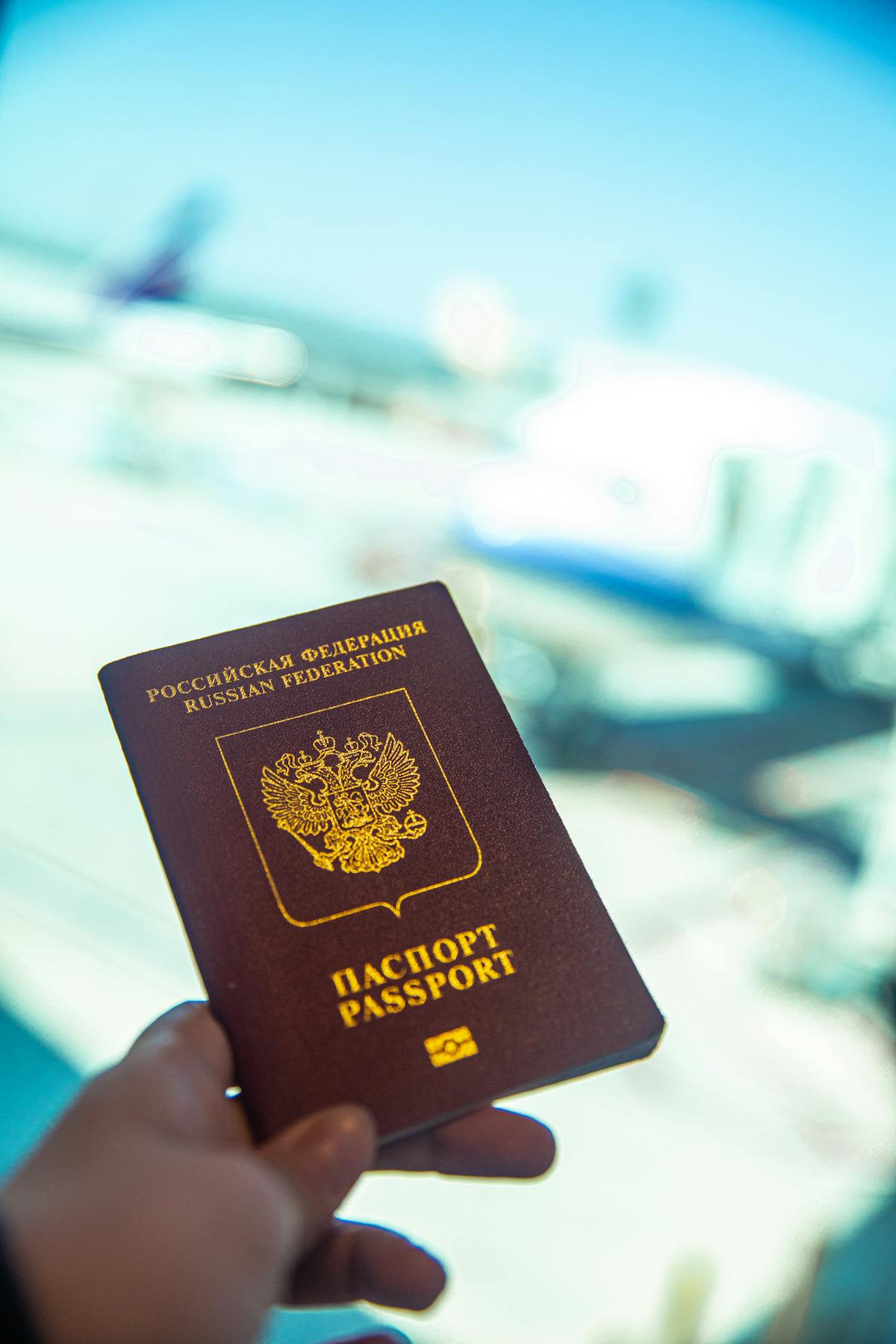
For official guidance and to apply, see gov.uk — Apply for a UK Electronic Travel Authorisation.
For more comprehensive UK ETA information for US travelers, see our official UK ETA guide and detailed comparison resource.
Related Reading
- Scotland Road Trip from London: American’s Guide
- Scotland Travel Guide for Americans
- Spring Hiking in the Scottish Highlands
- Bath, England: Romantic Getaway for Couples
- Cotswolds in Fall: Golden Routes
- Oxford Day Trip from London: Train vs Bus
- Discover Brighton: Sun, Sand & Pier Fun
- UK Weather Guide for Americans: Month by Month